
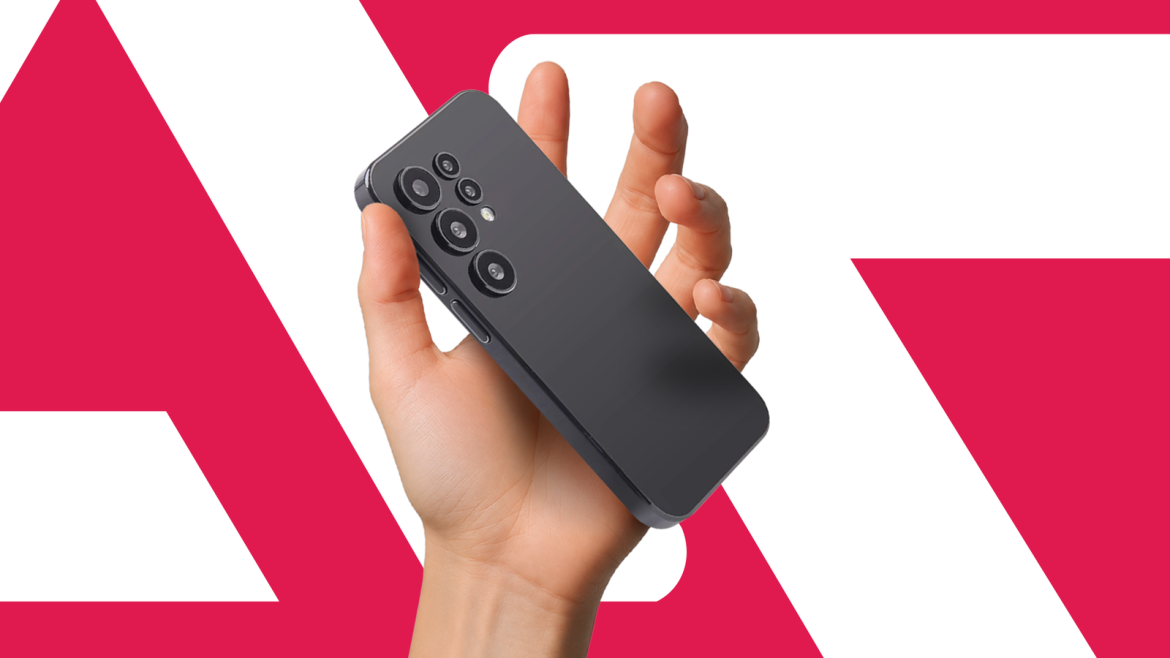
I love old-school Android phones, and I miss when a phone slipped into a front pocket and didn’t drag my jeans down.
But nostalgia lies. Our habits have outgrown the form factor, and most of us are mourning the idea of a small phone way more than we’d actually enjoy living with one.
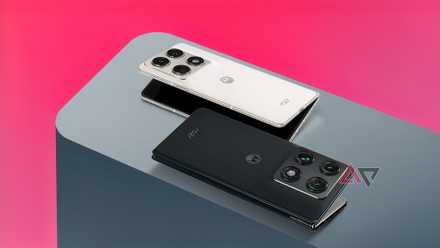
Tiny phones cannot handle modern apps

Modern flagships are so heavy that your pinky has opinions about them by the end of a long scroll. Touch ergonomics back then were also kinder.
Google’s developer guidance still says touch targets should be at least 48 by 48 dp, roughly 7 to 10 mm of physical space.
On a 5.4-inch screen, those tap zones sit naturally inside your thumb’s arc. But comfort in the hand doesn’t matter much.
A phone can feel perfect in your hand and still feel miserable the second you open a PDF. The tasks we actually do on phones have become visually denser.
For example, Google Maps just overhauled its interface with 3D buildings and AI-generated landmarks crammed into the view. On a tiny screen, that becomes a visual soup.
Typing on a small phone in 2026 isn’t the snappy experience you remember either.
Modern keyboards stack a predictive text bar, language switcher, and emoji row on top of the keys, and the whole thing devours nearly half the screen.
Finance, travel, shopping, and productivity apps have become denser, often pushing more shortcuts, cards, balances, alerts, and recommendations onto the screen.
AI is terrible news for small phones

This is the part that seals it. On-device AI is built around pop-up panels and overlays, and those overlays assume you have screen to spare.
Google folded Circle to Search into the Gemini overlay, and triggering the feature pulls up a bottom sheet that sits on top of whatever you’re looking at while you circle text or images. Gemini then needs room below for summaries and action buttons.
Apple Intelligence is just as greedy. Writing Tools lets you proofread or rewrite text, and selecting a paragraph throws up a menu with grammar suggestions and tone adjustments.
These features are useful, but they assume there’s still readable content under the panel. On a small screen, you would be constantly dismissing overlays to see what you were editing.
Modern phones need room for bigger batteries

Even if you could live with the cramped UI, the battery math doesn’t work. Modern radios are resource-hungry. 5G drains phones faster than 4G LTE.
Running AI locally is worse. Flagship chips are adding more local AI features, which put more pressure on thermals and battery life when those features run hard.
Manufacturers are testing larger batteries just to keep up. A sub-6-inch chassis has less room for large batteries and thermal hardware.
You cannot stuff a 2026 cellular radio, an NPU, and a screen people will actually use into a tiny frame and still get through a day.
Folding a big phone does not make it small

Manufacturers will happily tell you they’ve already solved the small phone problem with clamshell foldables, but that misses the point.
A flip phone today is basically a regular phone that learned origami. Yes, it fits in a pocket, but the second you open one, you’re holding a tower like everyone else.
You’re still stretching your thumb to reach the top of the display or pull down the notification shade, and now it’s also slightly wobbly and has a line across the middle.
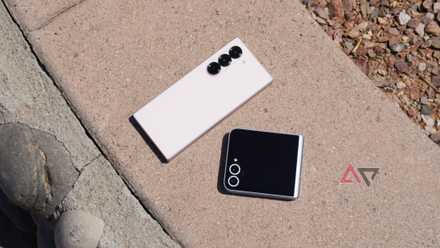
6 reasons why I’ll never buy a folding phone again
It’s hard to overlook some of its glaring drawbacks
We outgrew the phones we miss
The one-handed phone is gone because the smartphone itself stopped being a quick-check device. We are now spending 5 hours and 16 minutes a day on our phones. A year earlier, it was 4 hours and 37 minutes.
The phone is the main computer for most of the planet now. That transition from short bursts to long sessions needs a bigger canvas.
What we’re really missing here is the nostalgia of a digital life where a small screen was enough because we weren’t doing that much on it. Unfortunately, those days are gone.
