
Sepsis most commonly develops from a bacterial infection, with symptoms in adults including confusion or slurred speech, uncontrollable shivering, muscle pain and difficulty breathing.
People may also have blue, pale, grey or blotchy skin, lips or tongue, and a high or low temperature, plus lack of urine.
Babies and children may have difficulty breathing or breathe very fast, have high or low temperatures, blotchy skin or a rash. They may be very sleepy, are not urinating and could be vomiting.
The UK Sepsis Trust estimates some 48,000 deaths each year in the UK have sepsis as a factor, with thousands of these cases being preventable.
On Tuesday, NHS England said the health service will aim to prevent thousands of deaths from sepsis by 2035 as part of a drive to improve monitoring and treatment.
Sepsis directly causes 4,000 deaths a year in England. NHS England believes a quarter of these can be prevented through better care.
Its measures include giving wearable devices to people at risk of sepsis, such as watches or bracelets, or via tech on their mobile phone.
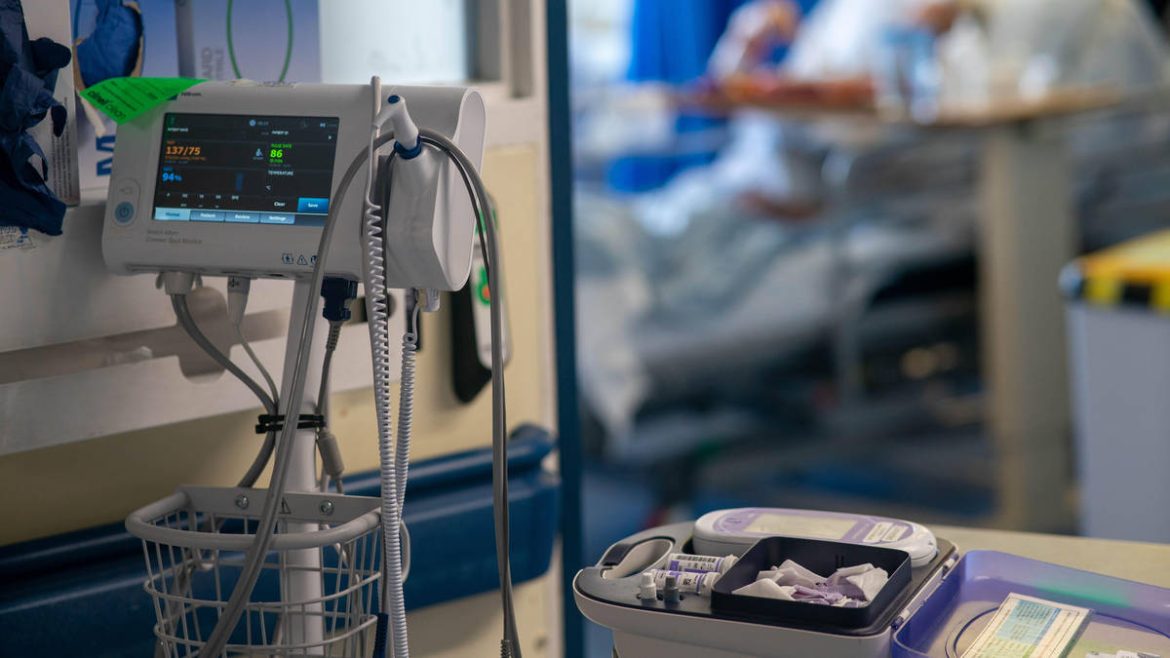
This technology can keep track of blood pressure and heart rate, flagging if a person’s condition has deteriorated and they need to be tested for sepsis.
Among those who could benefit are people on immunosuppressants such as some cancer patients, older people, those with a catheter, and people with serious mental illness, all of whom are at higher risk of sepsis.
NHS figures show there were more than 118,000 emergency admissions for sepsis in 2024/25.
If sepsis is detected quickly, the chance of survival improves. For every hour of delayed treatment, the risk of death increases by up to 8%.
Professor Ramani Moonesinghe, NHS England’s deputy medical director, said: “Every year, sepsis causes of tens of thousands of deaths, and leaves thousands more with long-term disabilities, so it’s vital the NHS has an ambitious plan to reduce this harm over the next decade.
“Key to tackling sepsis is catching it early – the longer sepsis goes undetected the less chance a person has to survive or make a full recovery.
“That’s why the NHS will be trialling new wearable devices that will allow people’s vital signs to be monitored at home, so that if they deteriorate, they can get tested and treated faster.”
Some hospitals have already begun rolling out wearable tech to patients at risk of sepsis.
For example, cancer patients receiving CAR T-cell therapy at University College London Hospitals (UCLH) wear a device on their chest which measures heart rate, respiratory rate and temperature to detect sepsis and cytokine release syndrome (CRS), a condition with similar symptoms.
If the device detects symptoms, NHS clinicians are alerted and can carry out a rapid review and give the patient antibiotics if needed.
Minister for patient safety, Preet Gill, said: “Sepsis is a devastating and sometimes fatal condition. Behind every case is a patient and a family, and we have heard too many heartbreaking examples where signs of deterioration were not recognised quickly enough.
“Families who have turned unimaginable loss into action have helped drive a fundamental change in how we think about patient safety, ensuring patients and loved ones are listened to, concerns are acted on, and the NHS learns when things go wrong.
“This new framework represents an important step forward in improving how we identify and respond to sepsis, using innovation and technology to support clinicians and help save lives.”
Dr Ron Daniels, founder of the UK Sepsis Trust, said the document “marks significant progress for patient safety and takes an essential step towards saving more lives from sepsis and improving outcomes for survivors”.
