
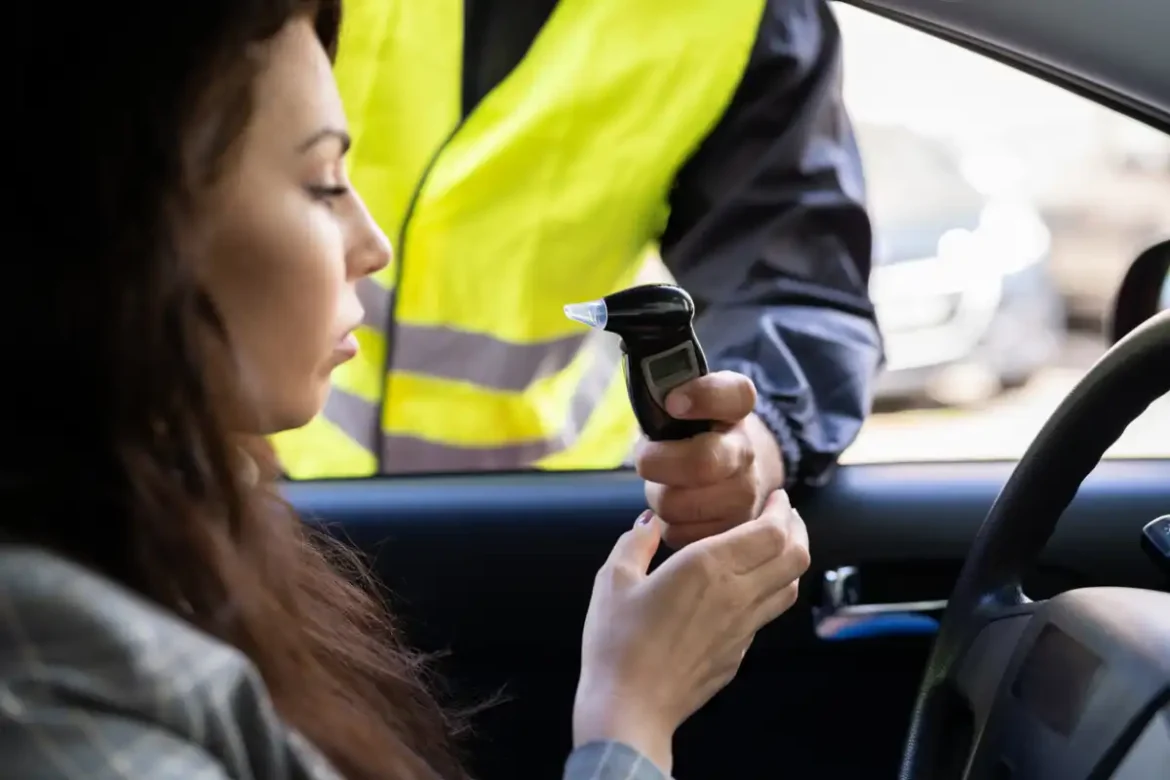
The Government has confirmed that new cars sold in Britain will not be required to include Alcohol Interlock Installation Facilitation (AIIF) – the wiring and interface needed to fit in-car breathalysers for convicted drink-drivers.
The decision follows a Department for Transport (DfT) consultation that considered whether 18 advanced vehicle safety technologies should become mandatory. While ministers have ruled out AIIF for now, they have approved a broad package of other safety systems aimed at reducing collisions and improving road safety.
Among the technologies set to become mandatory are:
- Blind-spot monitoring
- Tyre-pressure monitoring systems
- Driver drowsiness and attention monitoring
- Autonomous emergency braking with pedestrian and cyclist detection
- Intelligent Speed Assistance (ISA), which warns drivers when they exceed the speed limit and, in some cases, can automatically reduce vehicle speed
The Government said AIIF will remain under review as wider policy on alcohol interlock programmes develops.
Although the interface will not be mandatory in the UK, many new cars are still expected to include it. Manufacturers already building vehicles to European specifications are unlikely to produce separate UK-only models without the technology, making AIIF common on future vehicles despite the Government’s decision.
Why the Government Rejected AIIF
AIIF is designed to simplify the installation of alcohol interlocks, commonly known as alcolocks, which prevent a vehicle from starting until the driver provides a legal breath sample. The technology is intended primarily for motorists with previous drink-driving convictions rather than the wider public.
The consultation found that 55.5% of the 220 respondents supported the proposal not to mandate AIIF at this stage.
Those in favour of delaying the requirement argued that:
- Other safety technologies should take priority.
- AIIF would only deliver benefits if a national alcohol interlock programme is introduced.
- Mandatory installation could increase manufacturing costs unnecessarily.
- More evidence and policy development are needed before making the technology compulsory.
Road Safety Groups Call It a Missed Opportunity
The decision has been criticised by road safety campaigners and motoring organisations, including the RAC.
RAC Senior Policy Officer Rod Dennis described the move as a missed opportunity, noting that the Government is simultaneously consulting on the future use of alcohol interlocks as part of its Road Safety Strategy.
He argued that requiring AIIF would not mean every vehicle would be fitted with a breathalyser. Instead, it would make it easier and cheaper to install alcolocks in the vehicles of repeat drink-drive offenders, preventing them from driving after consuming alcohol.
Public Support for Alcolocks
Support for alcohol interlocks has grown as repeat drink-driving remains a significant issue.
A Freedom of Information request submitted to the DVLA by the Press Association found that 27,000 people were convicted of multiple drink-driving offences during the 11 years leading up to July 2024.
Separate RAC research found that 53% of motorists support giving courts the power to require convicted drink-drivers to install alcolocks in their vehicles.
However, opinion remains divided. Around 23% of drivers said they did not believe alcolocks would reduce drink-driving, while another 23% were undecided.
Focus Remains on Reducing Road Deaths
The DfT launched the consultation as road traffic collisions continue to be a leading cause of death and serious injury in Britain. Officials said progress in reducing casualties has slowed, with driver distraction, fatigue and excessive speed remaining major contributing factors.
The Government believes the mandatory introduction of advanced driver assistance systems, including emergency braking, blind-spot detection and intelligent speed assistance, will help prevent collisions, reduce the severity of crashes and provide greater protection for pedestrians and cyclists.
While AIIF has been left out of the latest regulations, ministers have indicated the technology could still become mandatory if future alcohol interlock policies are introduced.
