

Water scarcity in habitat behind more human encounters with snakes, crocodiles
JOHOR BARU: The Johor Fire and Rescue Department is urging residents to be on alert for a possible rise in encounters with snakes and other reptiles as drier conditions linked to the approaching El Nino drive the animals closer to homes in search of water, food and shelter.
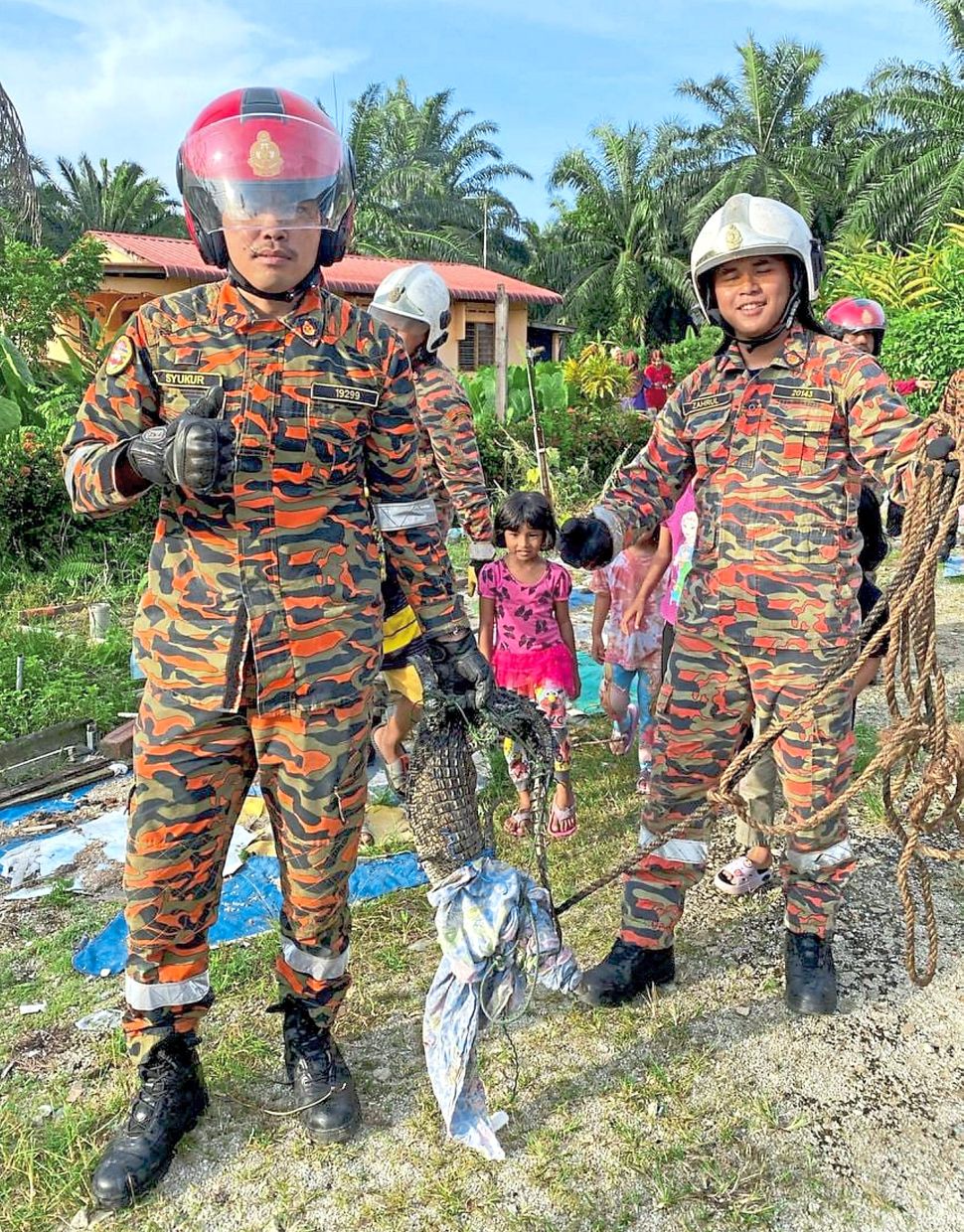
Assistant director (Fire and Rescue Operations) Muhammad Tarmizi Md Jaafar said prolonged hot weather could force snakes, monitor lizards and even crocodiles to leave their natural habitats as water sources and prey become scarce.
He said the department had observed that most emergency calls involving snakes were from residential areas, with the reptiles commonly found inside kitchens, bathrooms, storerooms, ceilings and garages.
“Although their natural habitats are in bushes, plantations, drains and areas near rivers, hot weather encourages them to venture into housing areas for cooler places to shelter,” Muhammad Tarmizi said here yesterday.
With Malaysia expected to experience hotter and drier weather from El Nino in the coming months, Muhammad Tarmizi said residents living near overgrown vegetation, rivers and drains should remain vigilant and keep their surroundings tidy.
He added that based on statistics compiled by the department, Johor firefighters have handled 1,344 reptile-related operations across the state during the 2025-2026 monsoon cycle.
“Of the total, 1,204 cases (89.6%) involved snakes while the remaining 140 cases (10.4%) involved monitor lizards, making snake by far the most common reptile-related emergency.
“The highest number of cases was recorded during the northeast monsoon between January and March this year, when firefighters responded to 506 incidents, including 461 snake-catching operations,” he added.
Muhammad Tarmizi also said the southwest monsoon has so far recorded 494 cases, just 12 fewer than the northeast monsoon, although the current season is only about halfway through and the number of calls is expected to continue rising.
He added that the northeast and southwest monsoons together accounted for almost three-quarters of all reptile rescue operations, while the inter-monsoon period recorded the lowest number of cases at 344.
“Cold-blooded animals such as snakes and monitor lizards become more active as environmental temperatures rise, making them easier to spot.
“Homes located near overgrown bushes, unmaintained grass, drains, plantations and riverbanks faced a higher risk of reptile intrusion, as such areas serve as hiding places and movement corridors for the animals,” he said, adding that residents who encounter these reptiles should remain calm, keep a safe distance, and ensure children stay away.
He said attempts to catch, injure or provoke the animals by untrained individuals could make them aggressive and increase the risk of an attack.
“If the animal poses a threat to public safety or is found within a residential area, contact the 999 emergency line immediately so firefighters can remove it safely,” he said, adding that the state Fire and Rescue Department remains on full alert for these emergencies, with fire stations equipped to capture and relocate dangerous animals safely.
He also advised homeowners to cut overgrown vegetation regularly, seal gaps that could allow reptiles into houses, dispose of rubbish properly to avoid attracting rodents, keep drains clean and organise community clean-up programmes to reduce the likelihood of wildlife entering residential areas.
