
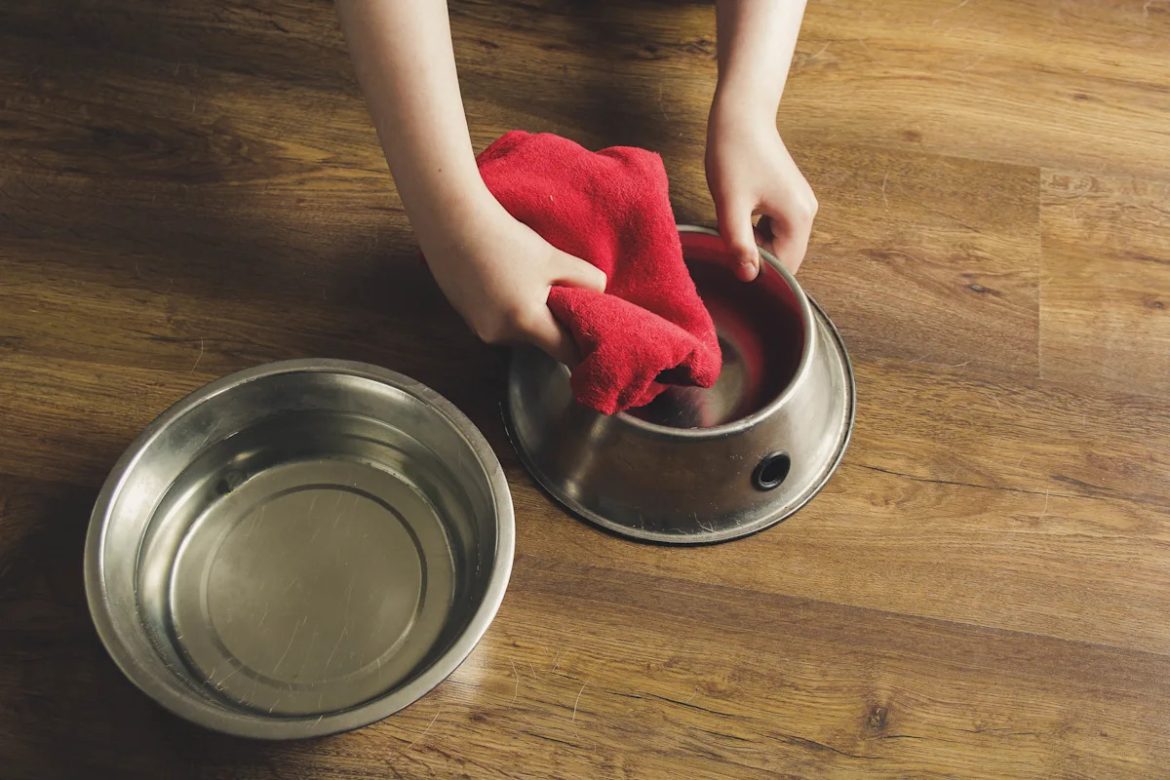
I’m the type of person who doesn’t clean up around my home until things get visibly dirty. (Terrible, I know.) When it comes to keeping my cat’s food and water bowls clean, however, I’m much more proactive. Instead of traditional pet food bowls, I serve my cat’s kibble in one of my ceramic cereal bowls and swap it out for a clean one two or three days.
I thought I was doing a pretty good job of keeping my favorite feline’s bowls clean, but vets say washing your pet’s food and water dishes should be more frequent than that — becoming part of your daily routine.
How often do you really need to clean your pet’s bowls?
You probably don’t want to eat off dirty dishes — and neither does your pet. “Food bowls should be cleaned daily, and water bowls at least every other day,” says Dr. Michael Hyder, a director of veterinary medicine at VEG ER for Pets. “Think of it like cleaning your own dishes after a meal. You wouldn’t leave your plate with leftover food for hours, so the same goes for your pet’s bowl.”
Advertisement
Advertisement
Wet food bowls, especially, should be washed immediately after mealtime. Hyder says all it takes is some hot water and dish soap, same as you’d clean any other “human dish.” Be sure the food bowl is completely dry before adding more food.
What happens if you don’t clean your pet’s bowls often enough?
Reusing a dirty food or water bowl isn’t just gross — it can create real health risks for your pet. “The most common bacterial threats include salmonella and E. coli, which can cause vomiting, diarrhea, dehydration, fever and lethargy,” Hyder says. If left untreated, these bacterial infections can become life-threatening.
Unwashed pet bowls can also play host to black mold. Hyder says ingesting these mold spores can cause tremors, loss of coordination and respiratory issues in your pet. Eventually, this can lead to mold poisoning and will require an emergency visit to the vet.
Use stainless bowls and fountains
Dr. Carly Fox, a director of veterinary medicine at Schwarzman Animal Medical Center, says she uses stainless steel bowls for her dog because they’re “easiest to clean, least likely to harbor bacteria and the most durable.” Ceramic bowls are also a solid choice. I know some of those plastic bowls at the pet store have cute designs, but veterinarians recommend avoiding them because they can harbor bacteria and contribute to pet acne.
Advertisement
Advertisement
Fox is also a fan of stainless steel pet water fountains because they keep water circulating and filtered instead of sitting stagnant in a bowl. She recommends deep-cleaning them once a week. “This, to me, is akin to a humidifier in your kid’s room,” she says. “You must take care of it to avoid any mold or bacteria accumulation.”


