
Who Feels Drawn to Cats for Comfort?
Across North American campuses, cats are less visible in stress-reduction programs compared to dogs. Yet, according to a study published in the journal Anthrozoös, the people who gravitate toward cats may actually gain the most from those encounters. Researchers surveyed more than 1,400 students and staff at over twenty institutions. They found a clear link between what’s known as emotionality, a personality trait tied to feeling emotions strongly and reacting intensely, and a preference for campus cat-visiting events.
Patricia Pendry, professor at Washington State University and study co-author, notes that emotionality is a stable, enduring aspect of personality. Those who score highly on this trait were particularly interested in interacting with cats on campus, the data revealed.
The Science Behind Cat Interactions and Emotional Relief
For the team, led by Joni Delanoeije of KU Leuven in Belgium, adding cats to campus wellness events was a key question. More than 85% of animal-assisted programs focus on dogs alone. The researchers also explored whether university staff, often left out of existing programs, were interested in participating.
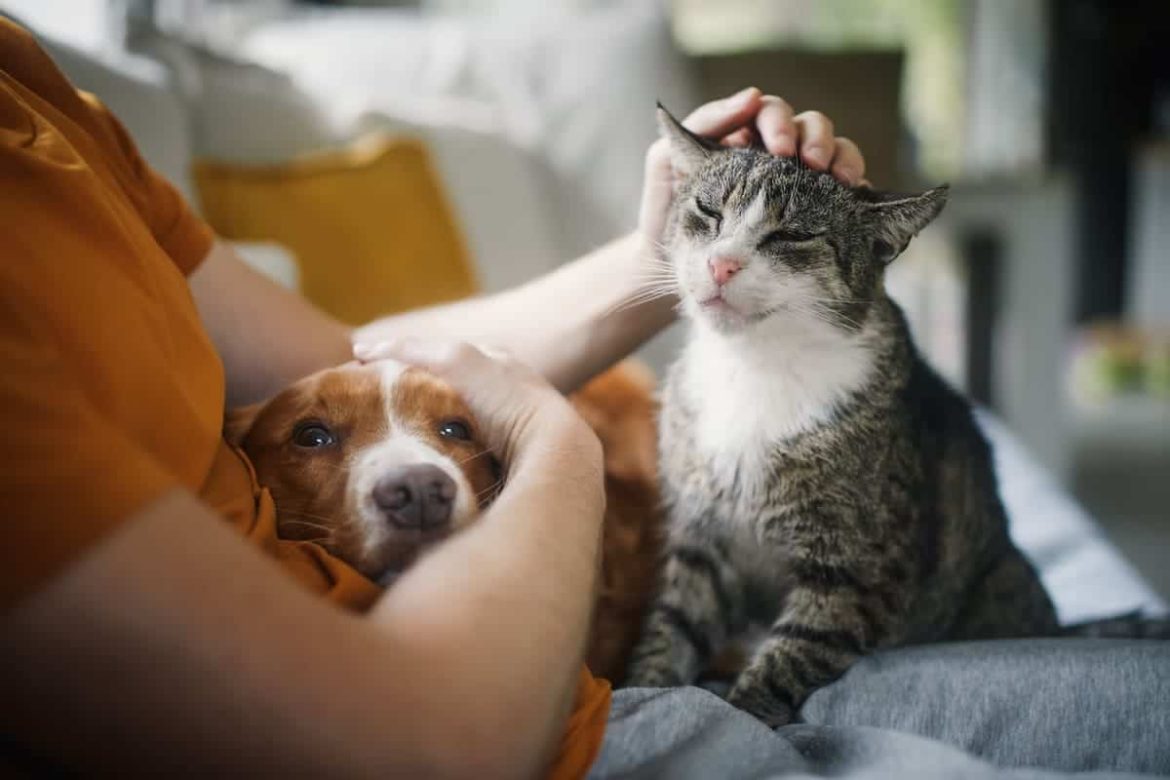
The verdict from the study: spending just ten minutes petting a cat measurably reduces stress. The combination of repetitive stroking, soft fur, and the vibrations of purring rapidly calms the nervous system. Echoing these findings, the Cornell Feline Health Center points to previous research showing similar effects: a ten-minute session with a cat or dog can lower cortisol levels, the hormone linked to stress, in student saliva samples.
For someone who already feels emotions with intensity, a soothing encounter that directly impacts stress chemistry may offer immediate benefits. Cornell’s researchers described it as an easy and low-risk strategy for stress reduction. The tactile and sensory properties of cat interactions seem uniquely suited for quick relief.
Personality Matters More Than Background
The appeal of cats cuts across student and staff lines. The study found no meaningful differences based on academic or employment status, personality traits, more than campus roles, predicted who would seek cats for comfort. Familiarity with cats (having one at home), being female, or interest in dog programs were less influential than a person’s individual emotional profile. Predictably, allergies and phobias lowered interest, but the personality connection held steady even accounting for these factors.
“We’ve always been told cat people are a breed apart from dog people, and that most students aren’t really interested in cats,” Pendry observed. “Yet our results suggest otherwise, the interest may be rooted in personality rather than trend or environment.”
A Unique Bond and a Window into the Mind
Frequent cat-petters tend to score higher on measures of emotional sensitivity and empathy. These individuals are drawn to peaceful, low-stimulation environments and prefer relationships built on authenticity rather than high demands. The very nature of the human-cat relationship may deepen this match: cats, after all, offer affection in their own time and are comfortable seeking solitude. For people who find highly demonstrative animals overwhelming, this selective bond feels safe and restorative.
Short sessions of petting a cat can act as an emotional reset in stressful times. The predictability of a cat’s calming presence offers a reliable anchor day-to-day. Physical contact, paired with a cat’s restful purring, disrupts patterns of stress in a way that’s easy to repeat. These moments even trigger the release of oxytocin, the so-called “attachment hormone,” strengthening the bond over time.
What Science Reveals and Why It Matters
Despite studies like these, animal-assisted therapy programs still overwhelmingly focus on dogs. Dogs are seen as reliably sociable and always eager to please, while cats get labeled as unpredictable or aloof, a mismatch, perhaps, for people who crave calm over stimulation. Pendry challenges the assumption that cats don’t belong in anti-stress efforts, arguing that excluding them may overlook those who stand to benefit most. Allowing people to choose between a cat, a dog, or both could draw in those for whom dog-only events are too intense.
There are practical cautions, too. The U.S. Centers for Disease Control and Prevention recommend washing hands after petting cats or handling their dishes and litter. Cats, even healthy ones, can carry germs. These precautions don’t cancel out the emotional upsides, they simply ensure that the comfort of a quiet moment with a cat stays safe for everyone.
In the silent language of touch and purr, a story unfolds about how we manage stress, how we seek connection, and how the animals we choose reveal something quietly profound about ourselves.
