

Medical staff at a Lancashire NHS trust have been told to stop using everyday English expressions such as “it’s raining cats and dogs” and “the early bird catches the worm” over concerns they could cause offence to foreign patients.
Lancashire Teaching Hospitals NHS Foundation Trust issued the directive as part of its diversity and inclusion training programme, arguing that such phrases lack cultural sensitivity.
The guidance warns that common idioms “may not translate well across other cultures” and might require explanation when communicating with international colleagues or patients.
Critics have dismissed the instructions as resembling an April Fool’s prank, expressing concern that language policing within the health service is becoming increasingly prevalent.
The 17-page document, first published in November 2024 and subject to review every three years, claims it is “crucial” for healthcare workers to employ “considerate, inclusive” language to help create “a healthier society”.
Beyond idioms, the guidance prohibits the use of “chairman” in favour of “chairperson” and requires “humankind” instead of “mankind”.
Staff are also advised against addressing groups as “guys”, and the document recommends gender-neutral alternatives such as “colleagues”, “team” or “members”.
The training materials further instruct employees to use “they/them” pronouns when a patient’s gender is unclear, rather than defaulting to male or female pronouns.

Medical staff at a Lancashire NHS trust have been told to stop using everyday English expressions such as ‘it’s raining cats and dogs’ and ‘the early bird catches the worm’
|
GETTY
The trust, which operates Royal Preston Hospital and Chorley and South Ribble Hospital, states the guidance was developed to “foster an inclusive environment”.
Lord Young, the Conservative peer who founded the Free Speech Union, warned that such NHS guidance risks triggering witch hunts against employees for using commonplace terminology.
He told The Telegraph: “This sounds like an April Fool, but the reality is that these busybodies are constantly churning out new language guides, banning an ever-increasing number of words and idioms.”
The peer cautioned that growing numbers of NHS workers, particularly those who are older, face investigation for being “culturally insensitive”, which he described as “code for ‘racism'”.
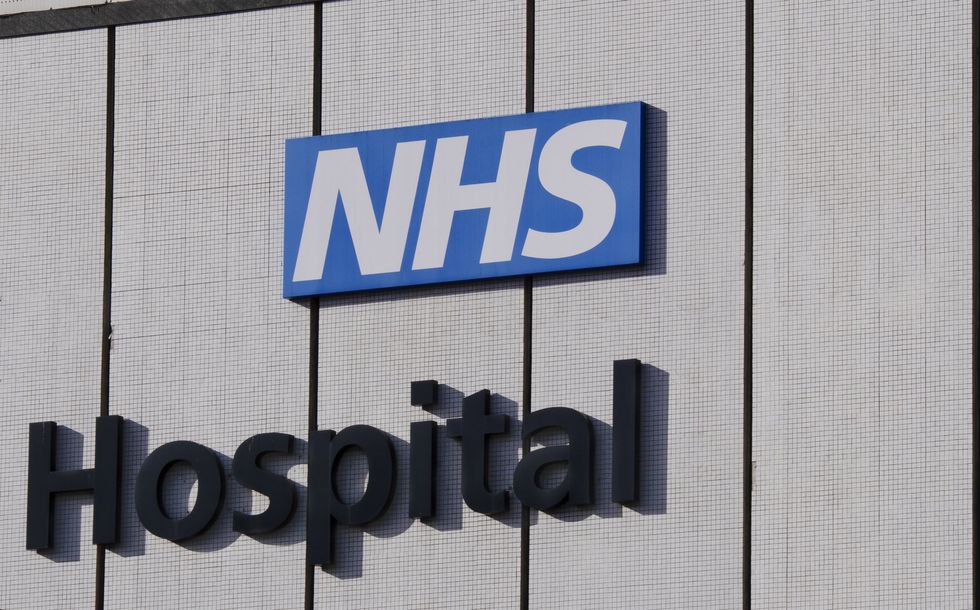
Lancashire Teaching Hospitals NHS Foundation Trust issued the directive as part of its diversity and inclusion training programme
|
GETTY
Lord Young added: “The result is that more and more NHS employees, particularly older employees, are finding themselves under investigation for being ‘culturally insensitive’, which is code for ‘racism’.
“If you’re not fluent in ‘woke-ish’ – which is a constantly changing modern dialect – you will eventually be cancelled.”
He suggested the language policing may be designed to push older staff towards early retirement “to make way for more pink-haired zealots”.
The trust has faced significant financial difficulties alongside its diversity initiatives, recording a £42.1million deficit since November 2024 and being placed in financial special measures in 2025.
NHS England warned that directors could face replacement should the financial position fail to improve.

‘It’s raining cats and dogs’ is an English idiom meaning it is raining heavily or pouring
|
GETTY
During the 2024-25 financial year, the trust spent £100,723 on salaries for equality and diversity personnel, employing the equivalent of 2.3 full-time staff in this area.
The highest-paid diversity role commands £48,526 annually, compared with newly advertised nursing positions offering £31,049.
A Lancashire Teaching Hospitals NHS Foundation Trust spokesman said: “As a large specialist Trust, we are proud to have a diverse workforce and to serve people from many different communities.
“It is well known that certain informal phrases or idioms are not always easily understood by everyone, including people with autism or whose first language is not English, so it makes sense to raise awareness of this.
“This helps ensure that within our busy hospitals, communications with our patients and colleagues are as clear and effective as possible.”
