
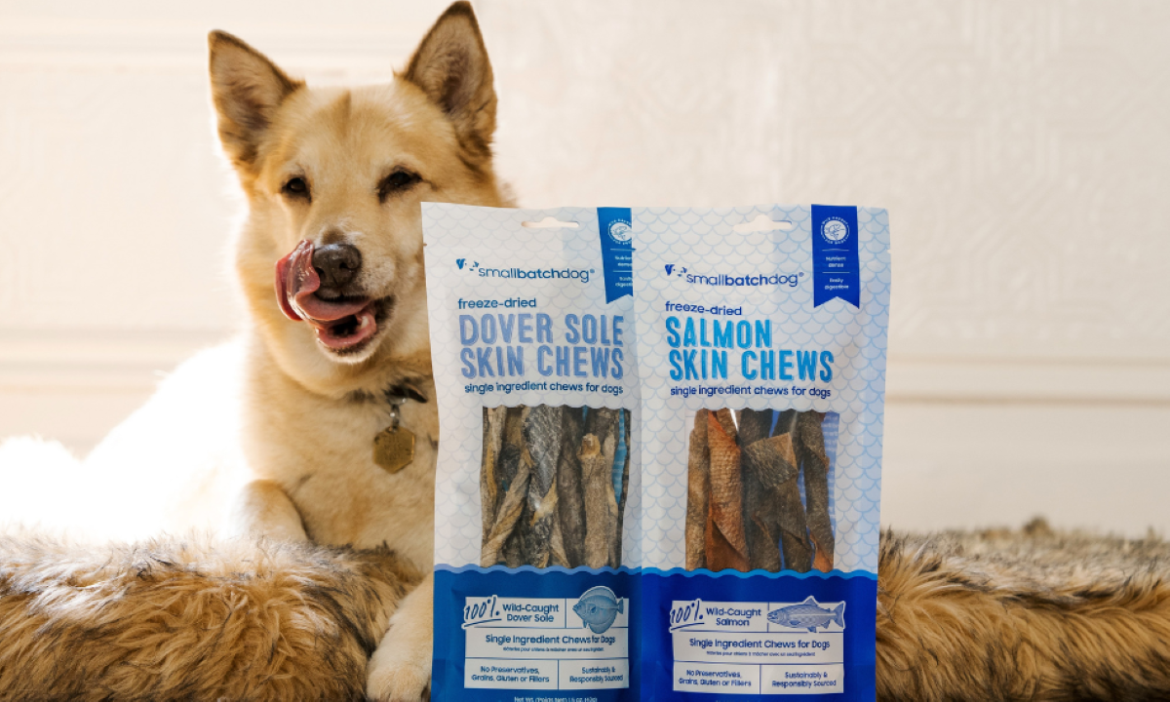
Prime Day is built for scale. Smallbatch Pets is built around the opposite idea: raw and freeze-dried pet food made in small batches from humanely raised meats and organic produce. From June 23 through June 26, the brand born in a San Francisco flat will use Amazon’s mix of digital and AI tools to win new customers while keeping more than 3,000 independent pet stores at the center of its distribution model.
“Prime Day is a huge opportunity for us,” Hailey Hakeman, director of eCommerce and digital marketing at Smallbatch, told PYMNTS. “As a small brand, we really use it as a customer acquisition play, and as an ability to introduce the brand to new pet parents.”
The broader channel mix includes the Smallbatch Amazon Store, Chewy and a recently launched direct-to-consumer site. It lets Smallbatch preserve the specialty-retail relationships that built the brand while meeting consumers where product discovery increasingly takes place — in search bars, online reviews and conversational shopping interfaces.
Smallbatch’s roots are far removed from marketplace optimization. According to the company’s origin story, its founders began preparing fresh food for Blue, a rescue cat whose special needs were not being met by conventional store-bought products. In 2005, the project became a local delivery service for friends and neighbors. It later expanded into independent pet stores while retaining its emphasis on responsibly sourced ingredients and recipes without artificial ingredients or fillers.
That value proposition creates both an opportunity and a challenge online. Consumers understand kibble. Raw and freeze-dried feeding often requires more explanation, particularly when shoppers are comparing ingredients, nutrition and sourcing standards without a specialty-store employee nearby. Hakeman described one customer who asks for omega and taurine percentages whenever Smallbatch launches a new product.
Hakeman’s team uses Amazon Seller Assistant to close that education gap. The AI-powered tool helps Smallbatch identify matters ranging from its best-performing products to Prime Day shipping deadlines. Its content recommendations can also suggest improvements to A+ Content, sharpen key benefits and flag product-page elements that should be changed before they go live. (Amazon SER)
Advertisement: Scroll to Continue
For a five-person marketing team, speed matters. Rather than waiting through a six-week A/B test, Smallbatch can act on those recommendations and revise a listing quickly before a high-traffic event. Ahead of Prime Day, the company refreshed its content and completed a broad update of its frequently asked questions to reflect how consumers now search.
“Consumers now are searching keywords like, ‘What’s the best organic dog food?’ or ‘What’s the best dog food for my senior pet with allergies?’” Hakeman said. Smallbatch uses Seller Assistant and other AI tools to identify those questions, then works the answers into FAQs, graphics, bullet points and other Amazon content.
AI’s role extends beyond merchandising. Smallbatch has access to large volumes of data from Amazon, Chewy, its own site and retail partners, but a small team has limited time to analyze it. AI helps compile customer reviews, identify recurring themes and point the team toward issues that can inform product development, listing optimization and customer education.
One recent example came from reviews of Smallbatch Chicken Heart Treats. The team found repeated requests for a larger package, then used AI to examine sales across eCommerce and retail channels. The data showed some customers buying five or 10 bags at a time. Smallbatch responded with a bulk-size bag, which launched recently.
The company also combines Amazon keyword data with AI analysis to find assortment gaps and emerging demand. Hakeman said searches related to organic dog food had increased significantly over a recent 90-day period, giving the team another signal about the language, attributes and potential products resonating with shoppers.
For other small and midsize retailers, the lesson is not simply to add an AI tool. It is to connect the technology to a defined commercial job: compress analysis time, improve product-page relevance, translate customer feedback into product decisions or educate shoppers at the point of purchase. For resource-constrained teams, that can turn data they already possess into an operating advantage.
“We don’t always have massive advertising budgets of the large brands,” Hakeman said. “But we are able to compete based upon all of our higher-grade standards and our humanely raised meats and organic produce. Those are things the AI tool is pulling out for our customers — and that really gives us a lever.”
