
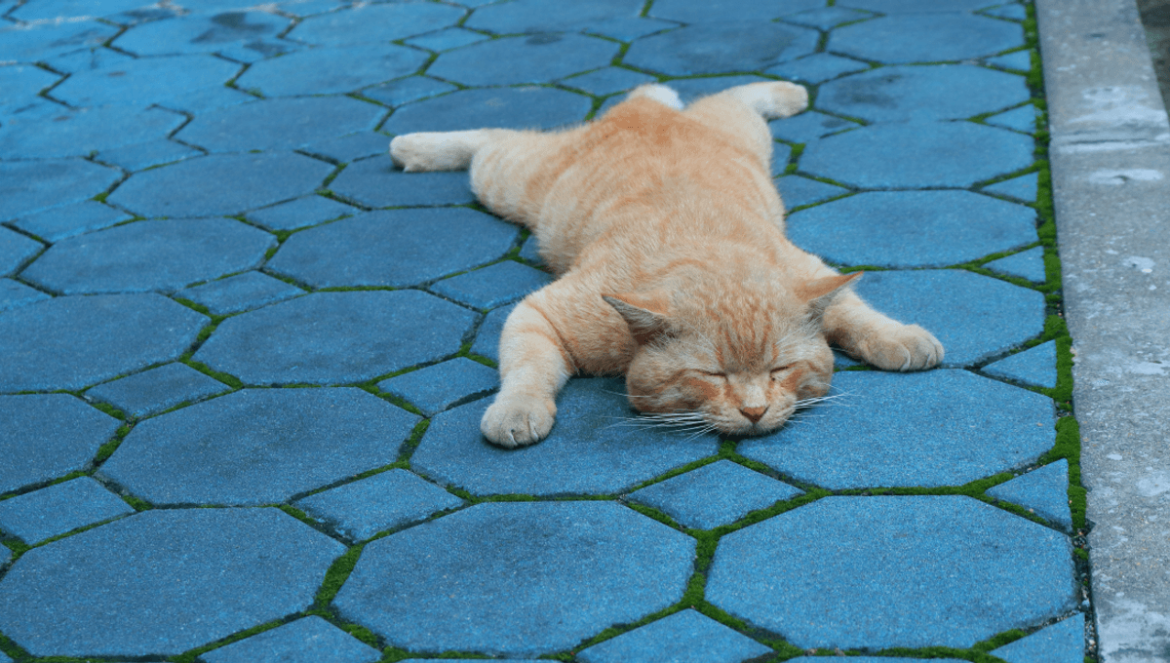
Over 80 percent of the world’s population is currently heating up for summer, and with it comes the realization that many of us simply aren’t prepared. Hand fans are flapping frantically. Windows are cracked. Sheets are thrown to the floor, but it’s not enough. We are hot, our pets are hot, and – what’s this? My cat has just popped a sploot.
The rest of this article is behind a paywall. Please sign in or subscribe to access the full content.
An adorable name for an adorable move, to sploot sees an animal lay down on the floor with their front and back legs splayed in some formation. It’s common in cats, dogs, and even wild animals like squirrels. So, what does it achieve?
While not formally recognized in any scientific paper, the behavior is celebrated in the summer by the National Park Service as “sploot season”. It’s thought splooting is a kind of heat dumping – a process that enables an animal to regulate body temperature through one of four key heat-transfer mechanisms: conduction, convection, evaporation, and radiation.
Conduction dictates that heat will move from a warmer object to a cooler one. If a squirrel has been zooming around the treetops in that way squirrels do, it’ll build up considerable body heat. Find a shady area of grass and sploot, and that hot fluffy body will be considerably warmer than the ground.
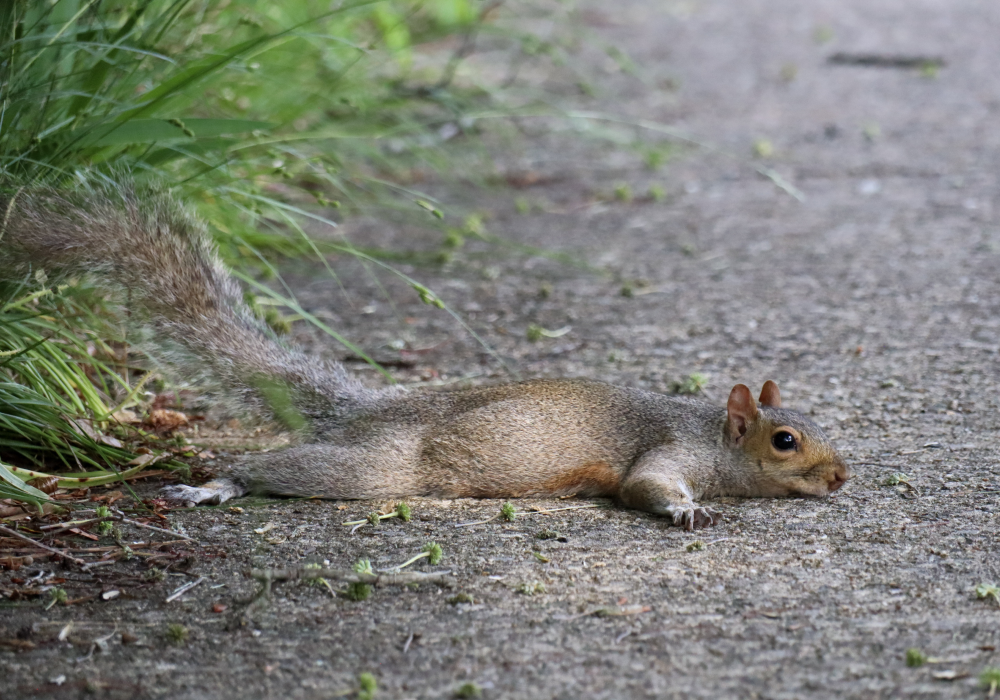
Very cute. Highly effective.
Image credit: Sophie.robinson/Shutterstock.com
Cats and dogs run a little hotter than we humans at around 37.7 to 39.2°C (100.0 to 102.5°F). It figures, then, that the cold tiles of your kitchen floor would feel akin to a cooling mat across which they can spread those limbs wide. The sploot in turn has a systemic effect as blood near the surface of the skin along the trunk loses heat and gets carried around the rest of the body.
A 2017 paper in Bioinspiration & Biomimetics reviewed animals’ different thermal adaptations to explore if any of them could inspire novel approaches to temperature control systems and energy management in buildings. It highlights direct contact as one of the critical heat transfer processes seen in animals, whereby contact with a solid surface such as ground or ice sees them lose heat through conduction when standing or lying down.
Animals in water lose heat through a different process known as convection. Water expands when heated, making it less dense so that it rises, which creates space for cooler, denser water to sink and replace it. That’s why diving into a pool or wading out into the ocean can be so effective as a way to cool off for humans.
Humans predominantly disperse heat through evaporation. We sweat, the moisture evaporates and takes unwanted heat with it. It makes you wonder: could we too benefit from sploot season? I needed to know, so naturally I coerced a colleague into testing it out for me.
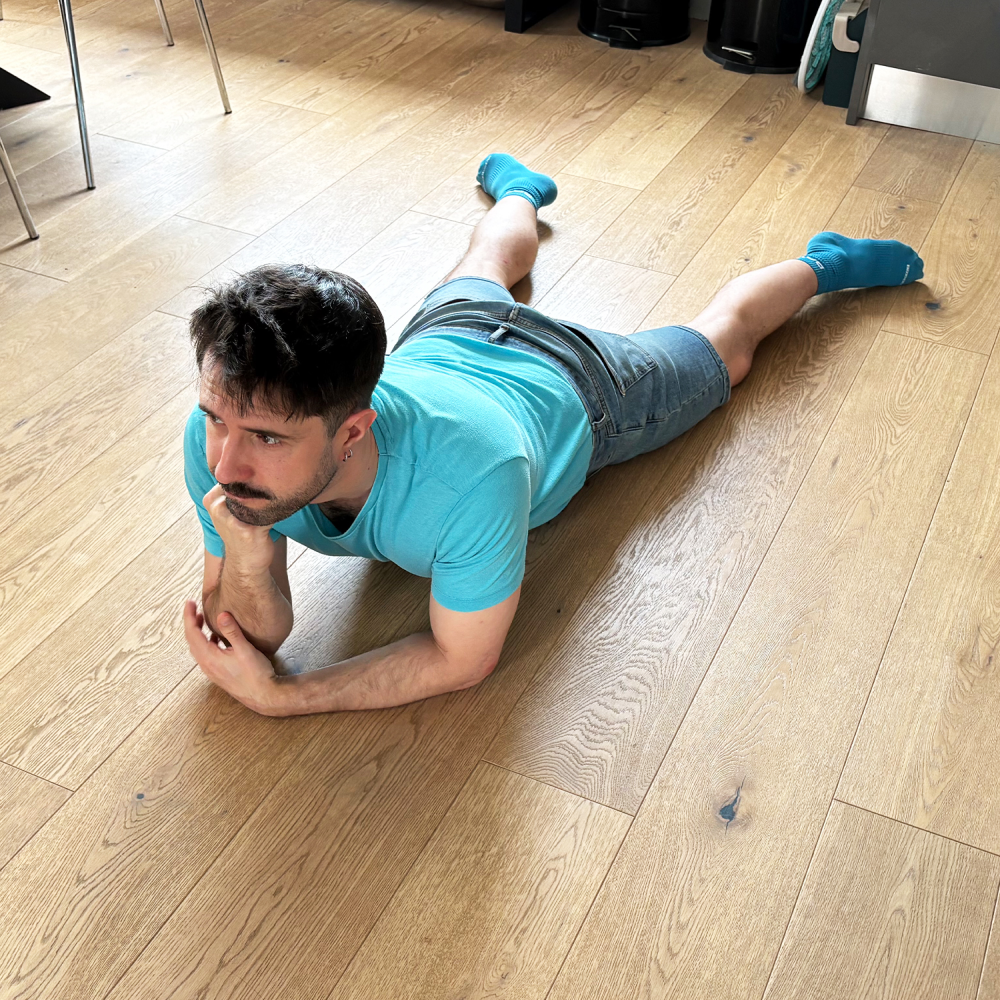
IFLScience Media Manager Chris Carpineti performing a sploot and questioning his life decisions.
Image credit: © IFLScience
Meet Chris Carpineti, IFLScience’s Media Manager and someone I really ought not to be asking to lay face down on the floor in the middle of the working day. I did it anyway.
As one of the busiest members of the team, his day-to-day involves editing videos, podcasts, and producing content for IFLScience’s social media channels. It’s important work. It’s tiring work. Heat-producing, even. Sound to me like someone in need of a sploot.
The verdict?
“I believe it did cool me down,” said Carpineti, with a sigh. “I certainly felt the coolness from the wooden floor versus just being sat up like a regular person and feeling the heat of the air.”
We Homo sapiens ain’t nothing but mammals so it figures that if splooting is good enough for a dog, it’s good enough for us. Just be mindful of where you go splooting, now. A little bit of lost heat won’t get you far if the road you lay down on is in the path of a car.
