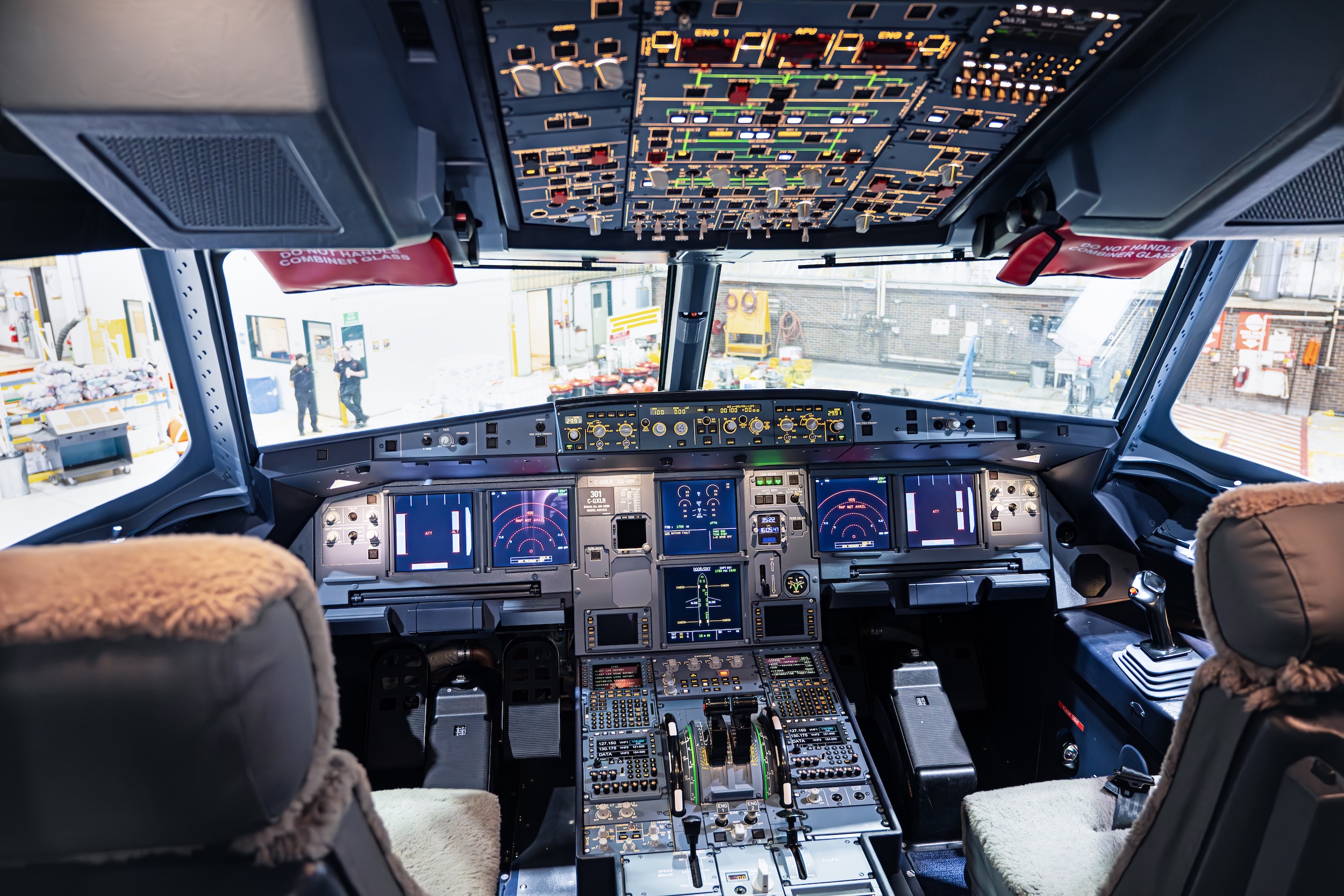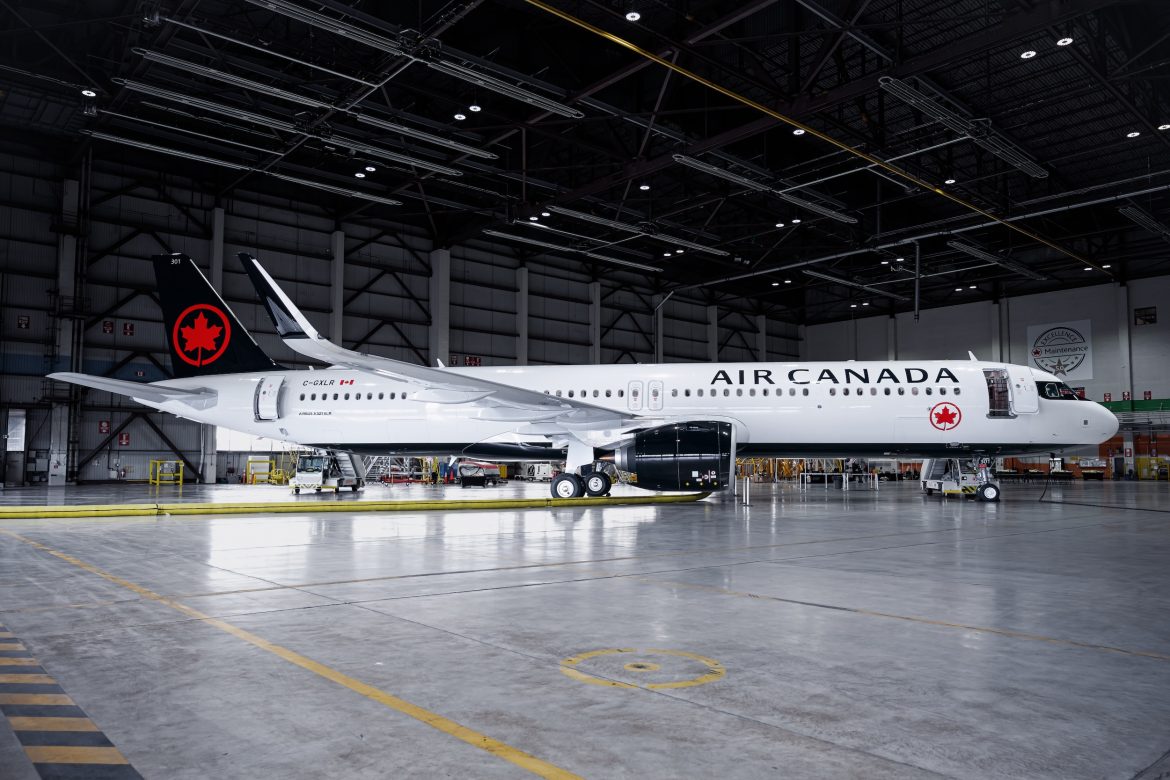
TORONTO — Air Canada (AC) has shown off its first Airbus A321XLR at Vancouver International Airport (YVR), giving media and invited guests a first look at the long-range narrowbody that will open a new fleet chapter for the Canadian flag carrier.
Airways was in attended the first-look event and photographed the aircraft, which introduces the Air Canada’s new Glowing Hearted cabin standard and brings a true lie-flat Signature Class product to a single-aisle aircraft for the first time in the airline’s fleet.
The media preview took place this week ahead of the A321XLR’s planned entry into scheduled service later this month. Air Canada received its first example of the type following a roughly 20-month delivery delay.
A new narrowbody role
Air Canada’s first A321XLR is the first of 30 aircraft of the type planned for the carrier and makes AC the first Canadian operator of the A321XLR. Airbus said the aircraft is leased from SMBC Aviation Capital and is intended to bridge the gap between the airline’s narrowbody short-haul fleet and its widebody long-haul operations.
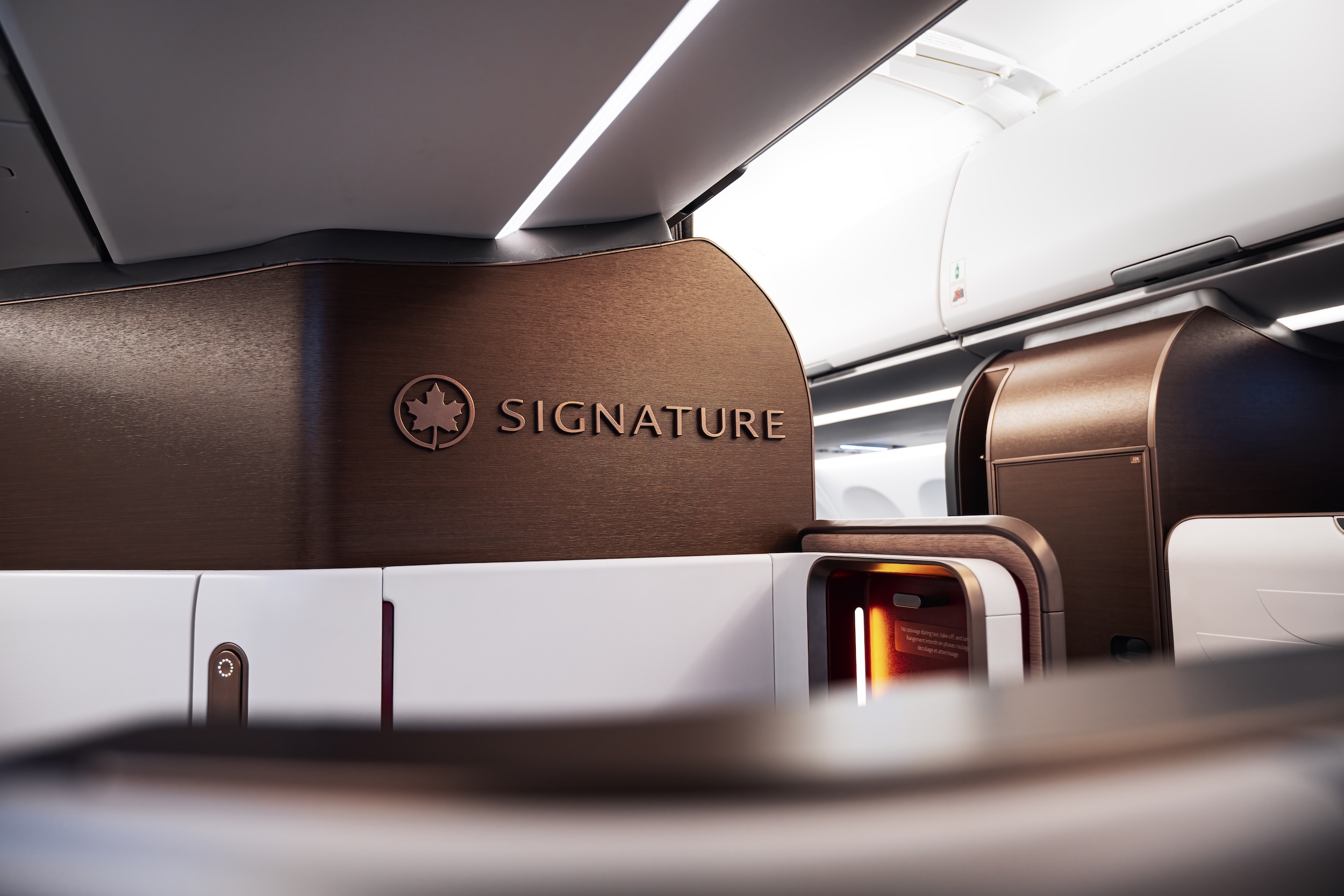
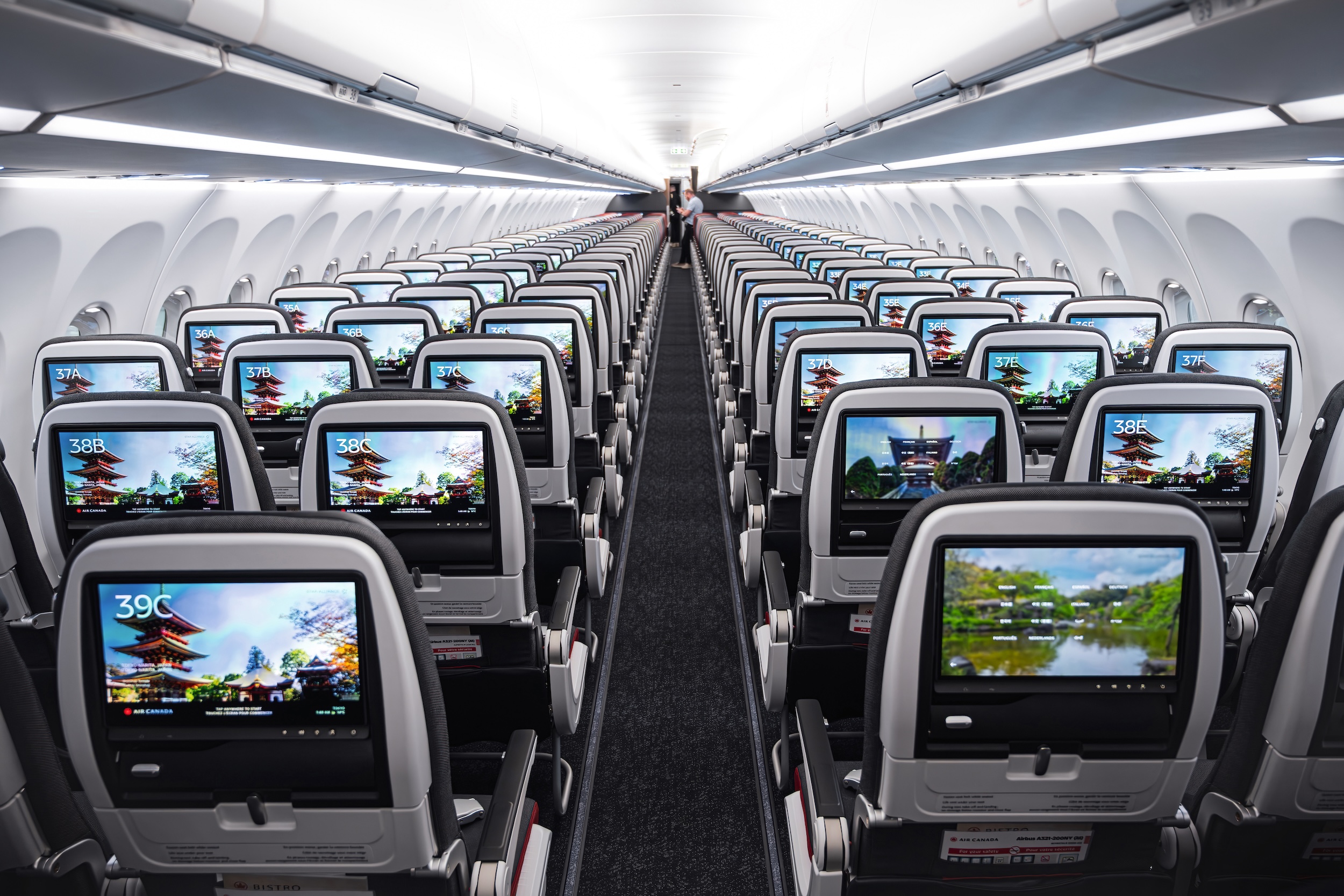
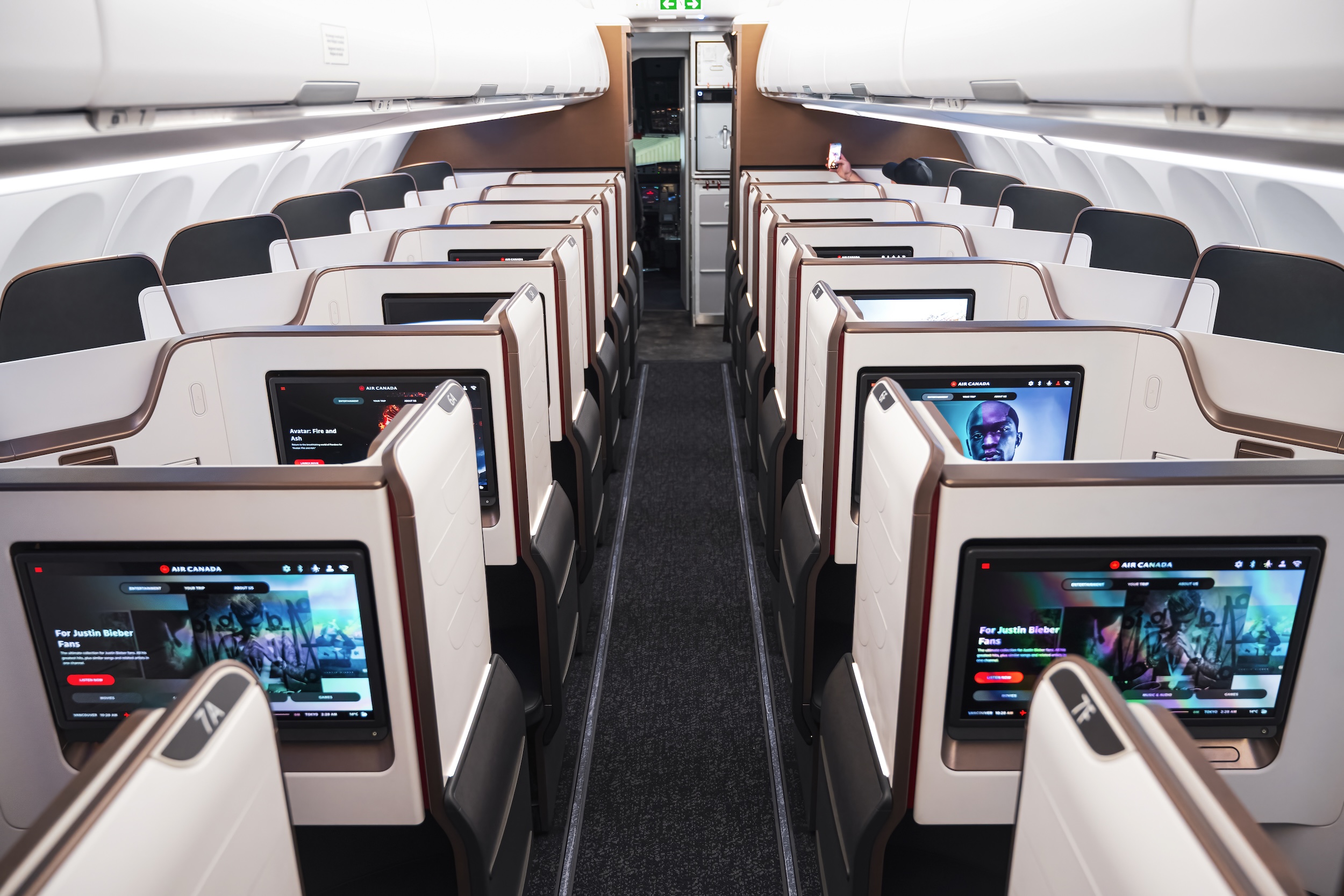
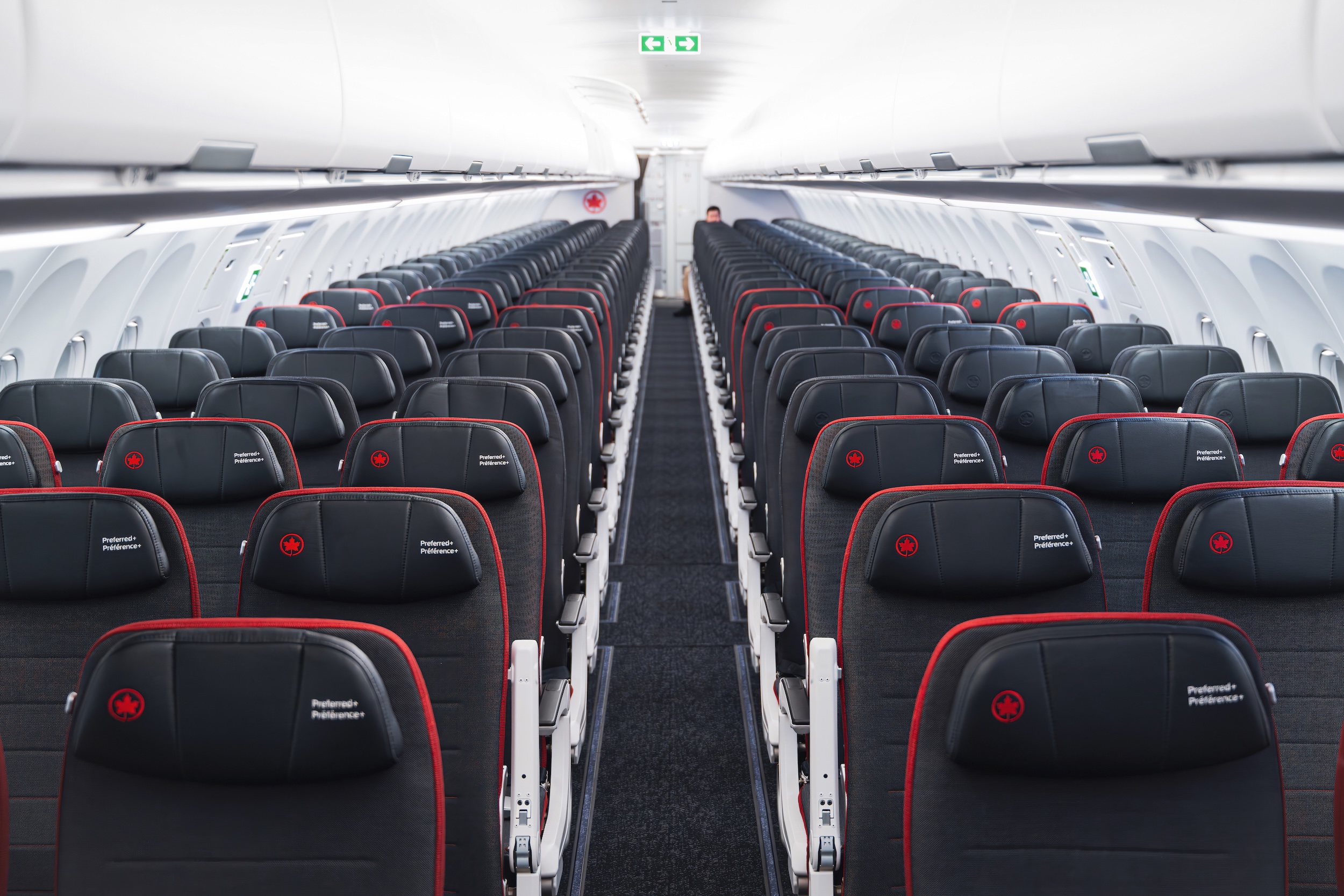
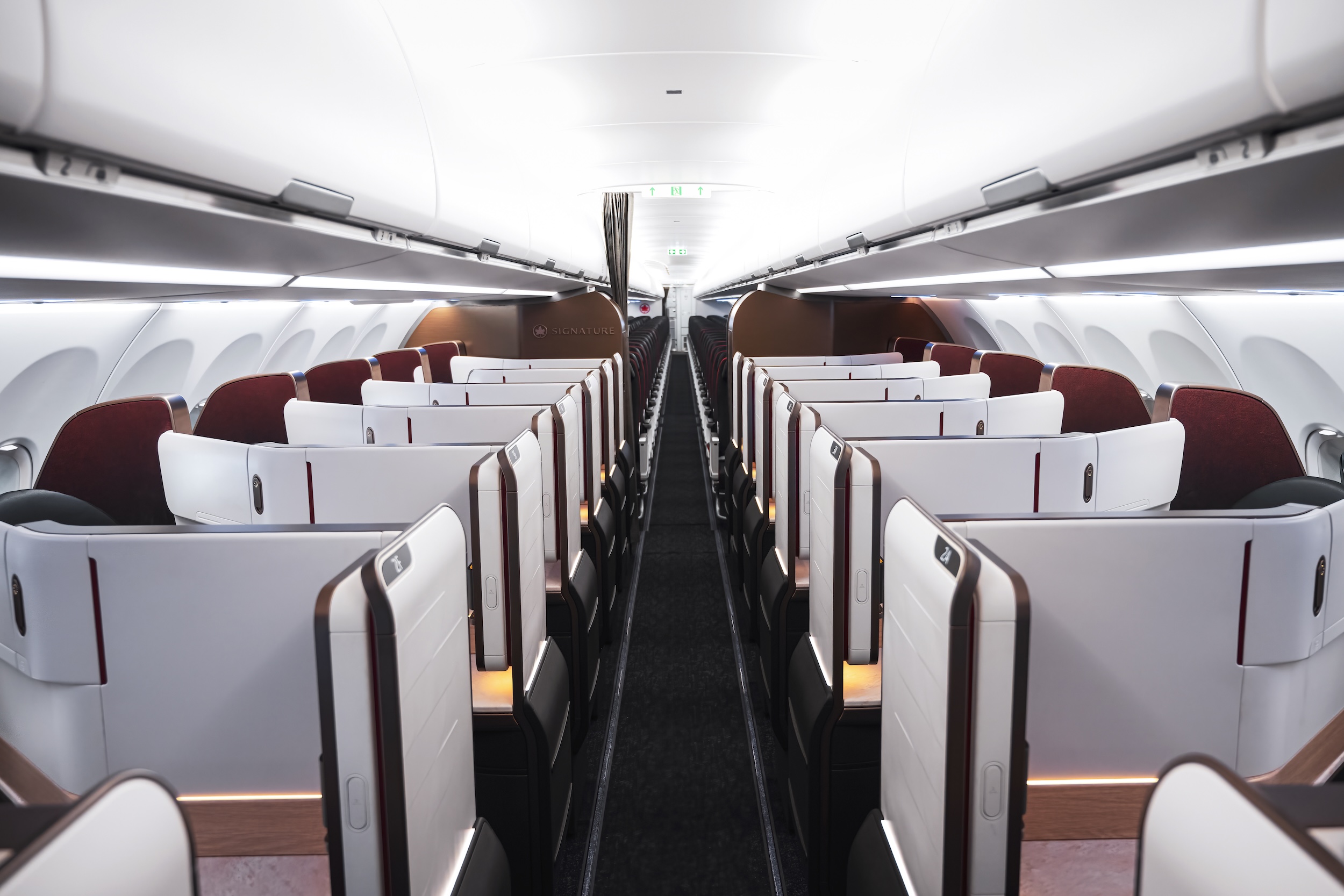
The aircraft is powered by Pratt & Whitney GTF engines and configured with 14 Air Canada Signature Class full-flat seats in a 1-1 layout, giving every premium passenger direct aisle access. The Economy cabin has 168 seats, bringing total capacity to 182 passengers.
The cabin also includes Airbus’ Airspace interior, larger overhead bins, Bluetooth-enabled inflight entertainment, in-seat connectivity, and ambient lighting. The airline has positioned the aircraft as the first major expression of its Glowing Hearted cabin design, which will gradually influence the airline’s broader onboard product.
Where it flies first
The aircraft’s first scheduled passenger operation—stay tuned for our trip report, is currently filed for Montréal (YUL)–Toronto Pearson (YYZ) on June 9, operating as AC413 from YUL to YYZ and AC422 on the return. From June 10 to 14, the A321XLR is scheduled to operate Montréal–Calgary (YYC) rotations, though further schedule changes remain possible.
The first transatlantic deployment is expected to be Montréal–Toulouse (TLS) on June 15. Air Canada executives have also pointed to the aircraft’s ability to support thinner long-haul markets from Toronto and Montréal, including destinations such as Berlin, Nantes, Mallorca, Tenerife, and Nice.
That is the strategic value of the A321XLR. It gives AC a smaller long-range aircraft for markets that may not support a Boeing 787, while still offering a premium cabin suitable for overnight transatlantic flying.
Delivery delays, network flexibility
The aircraft arrives later than originally planned. Air Canada COO Mark Nasr told Reuters that the A321XLRs are “the better part of two years late” compared with the airline’s original delivery expectations, citing broader aircraft supply-chain friction.
Even so, the aircraft gives AC a useful tool as demand for Europe remains strong and fuel costs continue to pressure airline economics. According to Airbus, the A321XLR offers up to 4,700 nautical miles of range and about 30% lower fuel burn per seat compared with previous-generation competitor aircraft.
Bottom line: New long-haul comfort
Air Canada’s A321XLR is not just a brand-new aircraft type. It changes what the airline can do from Canadian gateways, particularly Montréal and Toronto, where some long-haul routes are attractive but too thin for widebody economics.
For passengers, the most visible change is the cabin: lie-flat Signature Class on a narrowbody, larger screens, more connectivity, and a more refined interior.
For the network, the bigger shift is flexibility. The A321XLR gives Air Canada a way to test and sustain secondary transatlantic markets with a lower-risk aircraft.
The first-look event at YVR showed the aircraft as both a product upgrade and a network tool. The next milestone comes when the A321XLR moves from the hangar and photo line into scheduled passenger service.