
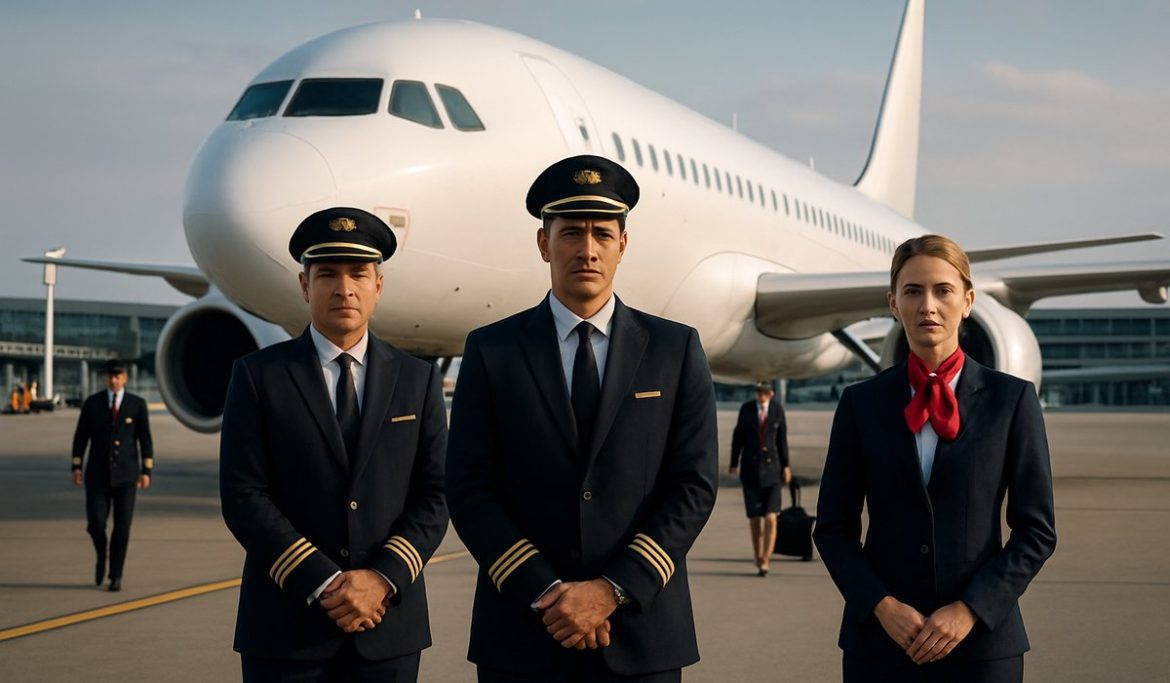
The basketball industry’s most ambitious aviation upgrade in decades hits a snag as franchises weigh luxury travel against operational autonomy
League Launches Historic Aviation Modernization
The National Basketball Association has undertaken one of professional sports’ most sweeping travel infrastructure upgrades, retiring its aging fleet of Boeing 757 charter aircraft in favor of up to 14 purpose-built Airbus A321neo jets operated by Delta Air Lines. The initiative, effective for the 2025-2026 season, represents a fundamental shift in how elite athletes move between competition venues, featuring cabin configurations—including lie-flat sleeping berths and Comlux-designed VIP interiors—that rival private aviation standards previously accessible only to the wealthiest sports franchises.
The Majority Embraces the Upgrade
Twenty-eight of the league’s thirty franchises have embraced the modernized fleet without reservation, signaling broad industry acceptance of the centralized travel model. The aircraft specifications and onboard amenities represent a substantial operational improvement over the decade-old Boeing platforms that previously served the league, addressing longstanding concerns about player comfort, flight safety systems, and operational efficiency during the grueling 82-game regular season.
Two Teams Chart Independent Course
However, two NBA franchises have notably rejected the league’s standardized offering, opting instead to maintain independent travel arrangements. This decision underscores a growing tension between league-wide operational coordination and individual franchise autonomy—a dynamic that extends beyond aviation into broader questions about organizational independence within professional sports governance structures.
The rebels’ refusal to participate in the centralized program raises questions about cost-benefit calculations, existing contractual commitments with alternative carriers, or strategic preferences regarding team logistics. Such departures from league initiatives remain exceptionally rare in modern professional basketball, where unified operations typically streamline scheduling and reduce administrative overhead.
Industry Implications and Travel Cost Context
The NBA’s aviation modernization arrives amid broader industry scrutiny of travel expenses. Commercial aviation has faced persistent pressure from elevated jet fuel prices, lingering supply chain complications, and post-pandemic demand surges that have elevated operational costs across the sector. The league’s decision to standardize private charter operations reflects an effort to achieve economies of scale while maintaining premium service standards—a strategy increasingly adopted by major sports organizations seeking to optimize travel expenditures without compromising player welfare.
The charter aviation segment has experienced significant growth as professional sports teams prioritize schedule flexibility, security protocols, and player recovery amenities over commercial airline constraints. Delta’s partnership with the NBA positions the Atlanta-based carrier as the official aviation partner for basketball’s most prominent league, expanding its premium services portfolio beyond traditional corporate and celebrity clientele.
FAQ: NBA Travel, Airline Charter Services & Sports Aviation Costs
Why would NBA teams reject private jet charter upgrades?
Teams may maintain existing arrangements due to contractual obligations, cost considerations relative to their market size, or preferences for operational independence in managing team logistics and scheduling.
How do private aviation costs compare to commercial airline travel for sports teams?
Charter operations typically cost $4,000-$8,000 per flight hour, varying by aircraft type and route distance. For NBA franchises traveling 40+ times annually, charter exclusivity provides scheduling flexibility commercial airlines cannot guarantee.
What is the environmental impact of increased private aviation in professional sports?
Modern aircraft like the A321neo reduce per-passenger emissions through fuel efficiency improvements, though private aviation remains significantly less carbon-efficient than commercial flights when normalized by passenger count.
How does jet fuel price volatility affect sports team travel budgets?
Fluctuating fuel costs directly influence charter pricing; a $10 per barrel oil price increase can add 3-5% to annual charter expenses for franchises with 40+ annual flights.
Are other professional sports leagues modernizing their travel fleets?
Major league sports increasingly adopt centralized charter programs. The NFL, NHL, and MLB have implemented comparable private aviation partnerships to enhance player safety and operational consistency.
Related Travel Guides
Flight Delay Compensation Guide 2026
Understanding Airline Route Changes
Airport Security Process Updated (2026)
External Resources
Disclaimer: Airline announcements, route changes, and fleet information reflect official corporate communications as of April 2026. Schedules, aircraft specifications, and service details remain subject to airline modifications.
