
Published on
June 1, 2026

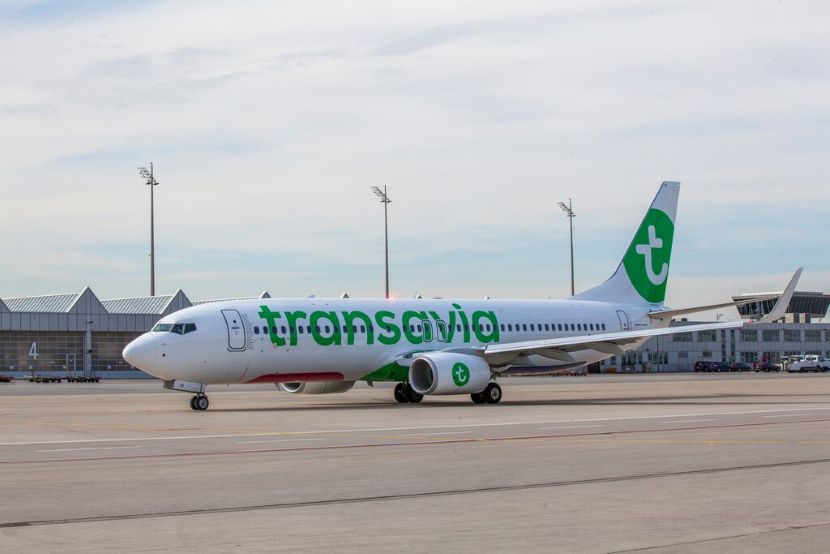
Amsterdam has marked a major milestone in sustainable travel as Transavia, the Dutch low‑cost carrier, strengthened its fleet with the arrival of its seventeenth Airbus A321neo. The new jet touched down at Schiphol Airport in the late afternoon, flying in from Airbus’s manufacturing hub in Toulouse. For travellers and local communities alike, this moment signals a clear shift toward quieter, greener skies over one of Europe’s busiest travel gateways. The arrival was more than a routine delivery; it was a step forward in how people will experience flying and life around the airport.
For Dutch travellers, business flyers, and holidaymakers, this renewal means more flights will be operated with advanced jets that promise greater comfort, reduced emissions, and less noise. Schiphol’s surroundings have long felt the impact of aircraft sound, especially at night. With this latest Airbus addition, Transavia has moved toward a future that respects both travellers’ expectations and neighbourhood peace.
New Aircraft, New Travel Experience
The Airbus A321neo represents a generation of aircraft built with cutting‑edge technology. It delivers a noticeable reduction in carbon emissions — more than 15% fewer CO2 emissions per passenger compared to older models. This improved efficiency aligns with broader goals set out by European aviation and environmental agencies that aim to reduce the climate footprint of air travel. Given that aviation accounts for a significant portion of transport emissions, shifts like these are tangible wins for greener travel.
Travel experts also highlight the A321neo’s expanded capacity. It carries 43 more passengers than the Boeing 737 models it increasingly replaces in Transavia’s fleet. For travellers, that means more seats on popular routes, better availability, and potentially more competitive pricing. For the airline, this efficiency translates to improved operational economics and better use of airport slots.
Quieter Nights Over Amsterdam
Advertisement
Advertisement
Nighttime flights have been a sensitive issue for communities around Schiphol. The persistent drone of engines late into the evening and early morning has been a point of contention for residents in nearby towns. With the newer Airbus jets, Transavia is delivering a tangible improvement. These aircraft significantly shrink the noise footprint — by about half compared to older generation planes.
The result is not just technical data on a sheet. It is a real change people living near flight paths will hear. As the airline phases in more of these jets, approximately two‑thirds of Transavia’s night movements are expected to be conducted with quieter aircraft. This shift is directly connected to broader strategies adopted by Schiphol Airport and Dutch authorities to manage noise impact and ensure that air travel growth does not come at the cost of community wellbeing.
Advertisement
Advertisement
Strategic Steps in Fleet Renewal
Transavia’s commitment to modernising its aircraft lineup is part of a planned transition away from the Boeing 737 series that has long served its network. By the end of 2026, the airline’s Airbus fleet is expected to grow to 21 aircraft. This accelerated replacement strategy will see the carrier more than halfway through its modernisation by 2027. Aviation industry analysts note that renewing a fleet is a complex and costly process, but one that positions airlines for resilience in a changing regulatory and travel landscape.
For travellers, this renewal means exposure to newer cabin designs, potentially better fuel efficiency, and a perception — and reality — of more sustainable travel. The aviation sector increasingly sees passenger demand for greener travel options, and carriers responding with modern fleets are positioning themselves to meet those expectations.
Aligning With Schiphol’s Sustainability Goals
Advertisement
Advertisement
Schiphol Airport has itself been a focal point of national debate around sustainability and growth. Dutch government frameworks and airport policies have underscored a target of reducing overall noise impact by 20% by 2028. Transavia’s expanded use of quieter Airbus aircraft contributes directly to this national goal. In coordination with regulatory bodies, airport authorities, and airline partners, this approach signals that travel growth and environmental stewardship can advance together.
Airport officials have emphasised that such fleet transformations are key to long‑term travel strategies. They underscore that investments in quieter, more efficient aircraft support both tourism and community harmony. Schiphol remains a vital European hub for leisure and business travel, and improvements to the travel experience reverberate across the network of global connections that passengers rely on each day.
What This Means for Travellers
Culturally and economically, Amsterdam and the broader Netherlands are magnets for international travel. Millions of people pass through Schiphol annually to explore Dutch cities, connect worldwide, or return home. For these travellers, the shift to quieter, greener aircraft means journeys that are technically cleaner and psychologically more pleasant. Less noise overhead can mean improved sleep for residents and a softer footprint on neighbourhoods near airport boundaries.
From a tourism perspective, destinations benefit when airlines invest in sustainability. Visitors increasingly choose travel options that align with environmental values. Carriers that communicate responsible practices contribute to the broader appeal of destinations like Amsterdam. This interplay between airline operations and local tourism reinforces the importance of strategic planning in aviation and travel.
Looking Ahead in Air Travel
Advertisement
Advertisement
The arrival of Transavia’s seventeenth Airbus A321neo is clear evidence of transformation in European air travel. It reflects industry momentum toward more responsible flying and sets an example for other carriers operating in crowded travel markets. As these jets take to the skies, passengers can look forward to flights that are quieter, greener, and more comfortable. Communities around Schiphol will notice a difference too, with fewer disturbances from night movements.
As Transavia continues to grow its Airbus fleet and retire older jets, its role in shaping the travel landscape within the Netherlands and beyond becomes even more pronounced. For now, the airline and its passengers share a moment of progress — a step toward a future where travel and sustainability fly hand in hand through the Dutch skies.
IMAGE AND INFORMATION SOURCE: Transavia
Advertisement
Advertisement

