
How exchange controls and currency risk threaten multi-million-rand acquisitions…
If you were in the market for a luxury motoryacht in South Africa, prepare for a lengthy search. While the country is globally renowned for manufacturing premier cruising catamarans, local buyers looking for superyachts face exceptionally sparse options.
That search almost always ends overseas – and that’s when the real financial complexity begins.
High import taxes and a small buyer pool discourage owners from keeping multi-million-dollar vessels in local waters. With just one dominant dealer covering sub-Saharan Africa, local inventory pales in comparison to the range, specifications and competitive pricing found up north, which is why serious buyers almost always look towards Italy, France, the Netherlands or Turkey.
However, international procurement requires immense patience. Ordering a fully custom yacht from an Italian or Dutch shipyard involves a three- to four-year wait from contract to delivery. Even a semi-custom production vessel typically takes 18 to 24 months. Yet, despite these long horizons, the global market is fiercely competitive, as top-tier shipyards are operating at near-maximum capacity with massive backlogs.
Securing the right vessel or shipyard slot requires swift action. Once you find the boat, however, the challenge becomes an international money transfer one: how do you move that volume of capital offshore compliantly, quickly and at a rate that doesn’t erode the deal?
South Africa’s luxury marine sector operates on international transfers … [so] the speed of the payment determines the outcome.
For example: a buyer in Sandton signs for a 24-metre motoryacht moored in La Spezia, Italy. The broker confirms the price, but the deposit window is 72 hours. Other buyers are likely to have been circling the same hull all year. Then the rand falls 2 per cent overnight, but the money is still due, in euros.
South Africa’s luxury marine sector operates on international transfers, which secure vessels, pay crew, fund race campaigns and clear imported parts. The speed of the payment determines the outcome.
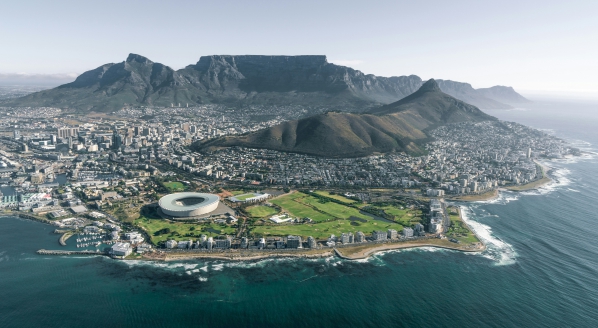
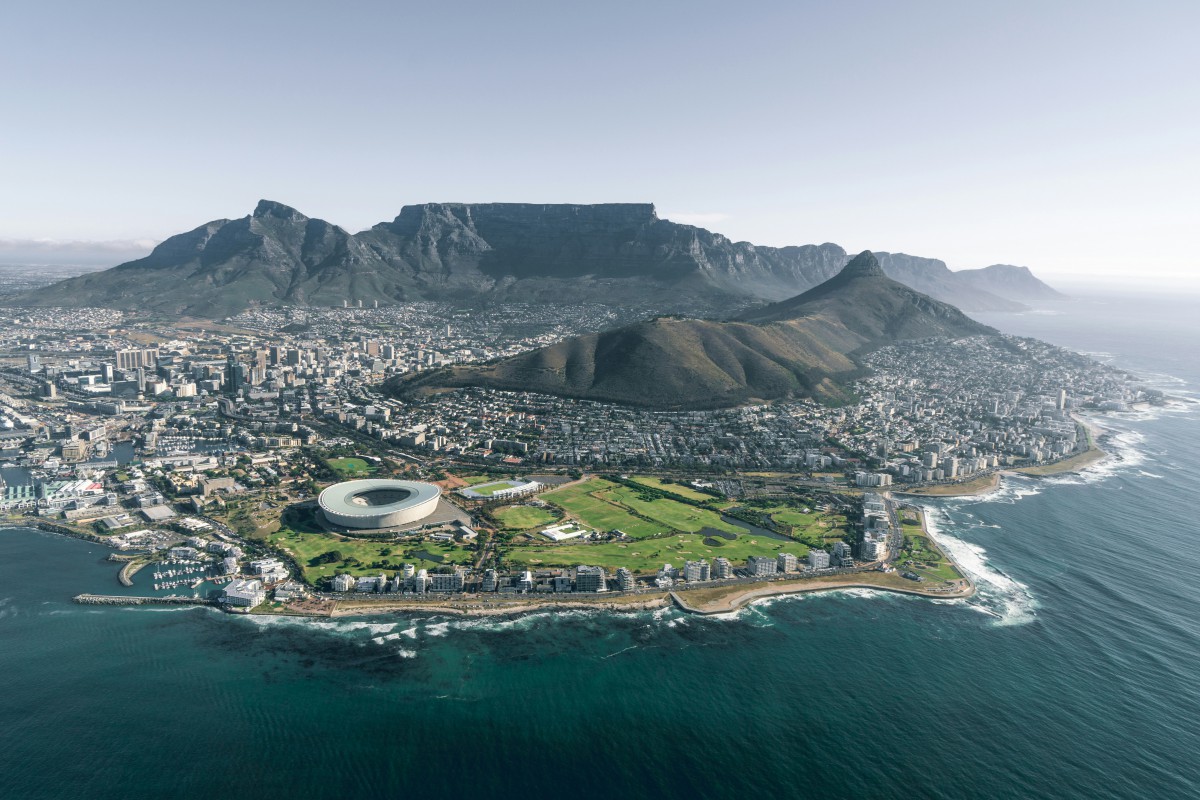
The superyacht fleet at Cape Town’s V&A Waterfront flies flags from Monaco and the Marshall Islands. Insurance is almost always underwritten or brokered through Lloyd’s of London syndicates or specialised London-based marine underwriters, while crews rotate from across Croatia, the Philippines and South Africa. Long before a vessel leaves the dock, its operations already span several currencies and jurisdictions.
Annual running costs are typically at 10 to 15 per cent of the yacht’s purchase price. On a €30 million vessel, that is up to €4.5 million a year, including crew salaries, insurance, fuel, provisions and marina fees. Specialist platforms now process superyacht payroll across more than 90 countries, in multiple currencies, to meet maritime labour conventions and the individual banking arrangements of crew. A South African owner with a Croatian captain and a Filipino chef runs a floating international payroll every month, whether the yacht is in Cape Town, Corsica or the Maldives.
Beyond the purchase, luxury marine ownership generates a continuous flow of cross-border transactions: engine parts sourced from a German supplier, sails commissioned from a manufacturer in Brittany, insurance premiums billed in sterling, marina fees settled in euros at the start of the Mediterranean season. Each of those transactions carries exchange rate risk and the cumulative exposure is significant.
And if you’re participating in a race, the pressure is on. The Cape2Rio typically leaves Table Bay at the end of December. Months before the starting gun, a Brazilian customs broker wants reais, an Italian sailmaker invoices in euros and the diesel quote in Cape Town comes in rands. Miss any one of those windows and the campaign is lost before the race begins. In offshore sailing, as in vessel acquisition, the payment is part of the preparation.
These high-stakes financial logistics are ramping up on home soil as Cape Town’s maritime profile is surging. Red Sea instability forces international superyachts to bypass the Suez Canal and reroute around the Cape of Good Hope, funnelling unprecedented traffic directly into the city’s harbour. To capitalise on this, the V&A Waterfront greenlit a R230-million investment for the Quay 7 Superyacht Marina – sub-Saharan Africa’s first purpose-built facility for mega-vessels, tracking for an October 2026 completion.
On a multi-million-euro acquisition, those timelines are deal variables. While a SARS approval
can take weeks, European deposit windows are tight, which creates a bottleneck that routinely
kills high-value deals.
But welcoming global vessels is one thing; moving the money to fund them is another.
South Africa’s strict exchange control framework heavily regulates all offshore capital migration. The Single Discretionary Allowance permits individuals to transfer up to R2 million annually without prior regulatory approval. Exceeding this threshold triggers the need for a South African Revenue Service (SARS) Approval for International Transfer, which is a compliance process that regularly consumes up to 21 working days. Transactions breaching the R10 million mark require approval from the South African Reserve Bank’s Financial Surveillance Department.
On a multi-million-euro acquisition, those timelines are deal variables. While a SARS approval can take weeks, European deposit windows are tight, which creates a bottleneck that routinely kills high-value deals. A single outstanding tax return or a missing document paralyses the application, and no amount of commercial urgency will accelerate the state machinery.
Rate exposure compounds the problem. Commit to a euro price today, wait three weeks for regulatory clearance and the rand cost on settlement day will be different. A forward contract locks in the rate before signing, but it has to be arranged before the offer goes in, which is why serious buyers engage a specialist forex provider early, not after the paperwork starts piling up. The right partner runs the SARS approval, structures the forward cover and coordinates the settlement in parallel, rather than as a sequence of bottlenecks.
Ultimately, to be successful in this sector, buyers have to move quickly by securing their cross-border payment mechanics long before they ever fall in love with the boat.
As an open-source platform we offer an industry-wide invitation to anyone and everyone in our sector to share their knowledge, experience and opinions. So if you have an interesting and valuable contribution to make, and would like to join our growing community of guest columnists, share your ideas with us at newsdesk@thesuperyachtgroup.com
NEW: Sign up for SuperyachtNewsweek!
Get the latest weekly news, in-depth reports, intelligence, and strategic insights, delivered directly from The Superyacht Group’s editors and market analysts.
Stay at the forefront of the superyacht industry with SuperyachtNewsweek
Click here to become part of The Superyacht Group community, and join us in our mission to make this industry accessible to all, and prosperous for the long-term. We are offering access to the superyacht industry’s most comprehensive and longstanding archive of business-critical information, as well as a comprehensive, real-time superyacht fleet database, for just £10 per month, because we are One Industry with One Mission. Sign up here.
