

Just as sales of electric cars were confirmed to have more than doubled in the first five months of this year, compared to the same period in 2025, a new government scrappage scheme is likely to accelerate demand for EVs even more.
Even before the announcement was made, the Done Deal website was reporting a 94% increase in searches for EVs – an indication perhaps of the effect or the recent dramatic fuel price increases.
At the time of writing, it is expected that owners of diesel or petrol cars 13 years or older will be offered a new grant of €5,000, in addition to the current SEAI grant of €3,500, bringing the total to €8,500.
It’s expected that 65% of the new €10 million scheme will be allocated to areas outside Dublin, Cork, Waterford and Limerick to encourage people in rural Ireland to make the switch and the rest to those urban areas.

So, with something of a stampede likely to develop, there are some critical factors to consider if you are thinking of changing to an EV.
Charging
If you don’t have a home charger or access to one, life is going to be challenging. Very challenging.
The success of EVs is predicated on home charging, when you plug in your car to a wall box and avail of cheaper night rates for electricity. You can charge your car overnight for as little as €8 or €10, depending on the supplier, and save about 60% of what it would cost you to run a petrol or diesel car.
But if you don’t have a home charger, you will be depending on those operated by the ESB network or private suppliers, who now operate at fuel stations, and some can cost about 60% more than home night charging. You may get a nasty surprise with some of these suppliers. Faulty charging units and multiple supplier apps may also be an issue.

Range
Most EVs are tested on what’s called the WLTP, a worldwide standard that is often applied in optimum conditions in terms of weight, cold weather conditions and other factors that affect available range. I have driven many EVs, and I don’t think I can remember any one of them achieving the claimed range, so my personal rule of thumb is to reduce the manufacturer’s claimed range by about 20%.
You will notice many car manufacturers claiming cars will deliver “up to” so many kilometres, so be warned and read the small print. Also, do your research, and you will generally find a real-world range for a particular car.
Driving style
If you drive an EV at maximum motorway speeds, consumption will generally be high, especially if you are using the heater or air conditioning. A gentler driving style will help get the maximum from the battery, so expect some alteration in how you drive, but battery technology is improving all the time to compensate for this.
Heat pumps
A heat pump assists consumption because it means the heating and air conditioning systems are not draining the battery. Not all cars have them as standard, but I have found they make a significant difference.

Range anxiety
This is still an issue, especially for those not used to EVs, but it is becoming increasingly less relevant. There are many more public charging points nowadays, especially near motorways, but do remember those extra charges.
Planning your journey is key. You won’t be able to decide at short notice to drive an EV from Cork to Donegal without having to stop for a charge along the way, but it’s a lot more convenient these days than heretofore. Ranges are improving all the time, and you are likely to only charge once or twice a week, depending on your needs.
Charging points
Not all chargers are equal, so don’t expect to just connect up and have a charge in the optimum time. Multiple apps from different suppliers operating in places such as supermarket car parks can be infuriating, and with the increase in EV numbers on the road, you may experience delays at some popular locations on main routes.
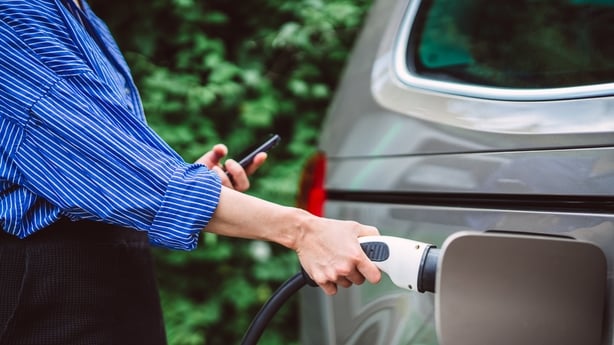
A home charger can be described as a slow charger and will take up to eight hours to fully charge a vehicle. Fast chargers usually discharge electricity at about 22kW, and rapid chargers exceed 50kW. Again, car companies may claim optimum times for charging, but these only apply to rapid chargers. These are obviously more expensive to use.
If you are considering an EV, it is vital to be familiar with how the car charges and to remember that battery charging up to 80% only is generally recommended to preserve battery life, as is the case with your mobile phone.
A good idea would be to visit a local charging station and talk to EV owners, who, in my experience, are generally happy to discuss their charging experiences and other EV-related issues.
Battery size
The SEAI points out that some people are more inclined to opt for a bigger and more expensive battery than they may need because of the reassurance it brings. However, according to CSO data, 70% of car journeys are 15 minutes or less, and the average car is parked for 22 hours a day, so ask yourself if you actually need a bigger battery? If you are moving to EV driving, analysis of your actual driving habits and durations is key.
Battery warranty
I know from reader feedback that battery life is a major concern, but many car manufacturers now offer an eight-year battery warranty, so make sure you are satisfied with the duration of the battery warranty.
Buying second-hand
The second-hand EV market has now grown substantially and offers better value than it used to. However, you should look for the state of battery health undertakings from dealers.
EVs are revolutionary, but they do present challenges. Doing your homework is terribly important to try to avoid those challenges and enjoy much cheaper and greener motoring.
The views expressed here are those of the author and do not represent or reflect the views of RTÉ
