
Climate change anxiety
AKA eco-anxiety is a real condition, one that is primed to worsen as we approach the Super El Nino scientists predict is just up ahead for us.
And experts suggest that finding people to speak with is an important coping mechanism.
The Climate Change Anxiety Support Group is launching a space where you can share your thoughts and fears and find community to assist you as we deal with this unparalleled situation. We’ll be here to check in on each other as we navigate through this crisis, to share resources and provide some tools to help us cope.
Please join us.
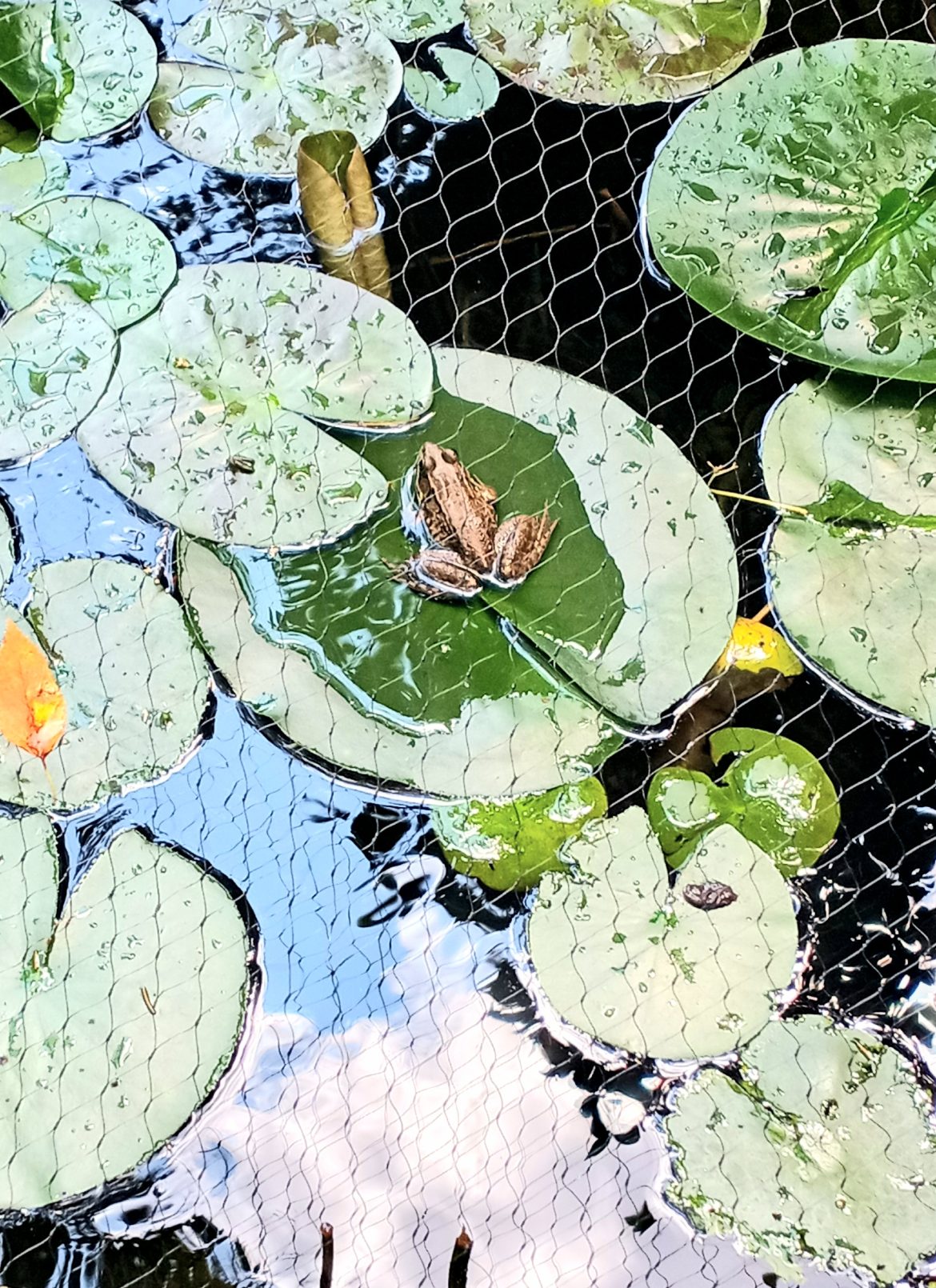
Yes, there are fewer frogs and toads this year in 2026,
continuing a long-term global and regional decline in amphibian populations. According to ongoing tracking data by the U.S. Geological Survey (USGS), amphibian populations in the United States have been declining at an average rate of 3.79% per year. At this rate, these species will disappear from half of their current habitats over the next two decades. [1, 2, 3]
Conservation reports from World Frog Day 2026 emphasize that approximately 41% of all amphibian species worldwide are currently threatened with extinction, making them the most vulnerable vertebrate group on the planet. [1, 2]
Primary Causes for the 2026 Decline
The reduction in frog and toad numbers is driven by a combination of global and localized environmental pressures: [1]
- Habitat Destruction & Drought: Ongoing land development, urbanization, and agricultural expansion continue to eliminate vital wetlands. Additionally, lingering effects from regional droughts and agricultural water extraction have left many traditional breeding ponds completely dry.
- Infectious Diseases: The highly lethal “chytrid” fungus (Batrachochytrium dendrobatidis) and Ranavirus continue to decimate wild populations globally.
- Pesticides & Pollution: Increased use of chemical herbicides and pesticides near agricultural zones heavily contaminates the shallow waters where frogs and toads spawn.
- Climate & Weather Anomaly: Unpredictable winter temperature swings leave amphibians vulnerable. Sudden deep freezes before individuals can bury below the frost line cause high winter mortality, while lack of warm evening spring temperatures disrupts annual migrations to breeding pools.
- Road Mortality: Massive numbers of migrating common toads are killed on roads every spring. Citizen conservation groups like Froglife rely on volunteers for “toad patrols” to physically ferry amphibians across roads to prevent local extinctions. [1, 2, 3, 4, 5, 6, 7, 8, 9, 10]
If you are noticing a lack of amphibians in your local area, you can help support them by building a small garden pond with sloped edges, keeping a section of your yard wild with logs for shelter, and avoiding chemical lawn treatments. [1, 2, 3]
Silence of the Frogs” is a widely used metaphor and title describing the alarming, mysterious global decline and extinction of frog and amphibian populations that accelerated in the late 20th century. [1, 2, 3]
Key Facts and Causes
- The Scale: More than 40 percent of the world’s amphibian species are currently facing population drops or extinction.
- Chytrid Fungus: A microscopic, deadly pathogen (Batrachochytrium dendrobatidis) attacks frog skin, disrupting body chemistry and suffocating them.
- Environmental Pressures: Habitat destruction, water pollution, rising ultraviolet (UV) radiation, and climate change worsen the crisis. [1, 2]
Ecological Consequences
- Algal Buildup: Without tadpoles eating algae and disturbing sediment, streams become choked with plant growth.
- Food Chain Collapse: Predators that rely on frogs—including snakes, birds, and fish—also decline when the frog populations disappear. [1]
Cultural Reference
Spawnwatch 2026 – Tetrapod Zoology


Tetrapod Zoology
Fears for England’s frog and toad population after drought


LINKS:
We must remember: We are all a part of nature
https://www.theglobeandmail.com/opinion/article-we-must-remember-we-are-all-a-part-of-nature
.
News/Guardian UK/Labour
Sandra LavilleEnvironment correspondent
Extreme heat is harming the wellbeing of the ordinary people the PM champions, yet he has ignored the subject
.
The Guardian/Invertebrate of the year 2026
This detritivore – known by a range of colourful names – feeds on rotting plant matter and can withstand toxic pollution
https://www.theguardian.com/environment/2026/aug/03/common-woodlouse-invertebrate-of-the-year
.
We’ve gone in search of the invertebrate of the year. Now it’s your chance to choose https://www.theguardian.com/environment/2026/aug/12/invertebrate-of-the-year-2026-vote-for-your-favourite
https://www.theguardian.com/environment/2026/jul/10/ecological-grief
In Iceland, people commemorated its first glacier formally declared lost to climate change. Western culture needs more of these rituals
.
Climate change anxiety—or eco-anxiety—
is a chronic, distressing fear of environmental doom and ecological damage. It is not a mental illness, but rather a rational, natural response to real-world threats, uncertainty about the future, and constant exposure to severe weather news. [1, 2, 3, 4, 5, 6]
Common Signs and Emotions
- Emotional weight: Deep sadness, ecological grief for lost nature, helplessness, and frustration or anger at a lack of global action.
- Physical and mental stress: Intrusive thoughts, trouble sleeping, poor focus, and a fast heartbeat or panic when seeing bad news.
- Behavioral changes: Avoiding news or conversations about the environment, or feeling intense guilt over personal carbon habits. [1, 2, 3, 4, 5, 6]
Ways to Cope and Manage Distress
- Limit news consumption: Take structured breaks from scrolling through continuous crisis reporting to protect your mental energy. [1]
- Focus on local control: Shift your attention from overwhelming global issues to small, manageable, day-to-day actions within your reach. [1]
- Join a community: Connect with local groups, campus programs, or volunteer initiatives to share the emotional load and work alongside others. [1, 2, 3, 4, 5]
- Talk about it: Share your feelings with friends, family, or a professional counselor who understands eco-distress
THANKS FOR READING
Climate Cafe Launch here @DailyKos
We’ll get straight to the point: The financial hardships that Daily Kos is facing this year are tough.
We continue to be paywall-free. We continue to be supported by our readers, not billionaires or corporations. But we need to bring in more revenue. We are leaning on our community more than ever to help make ends meet.
