
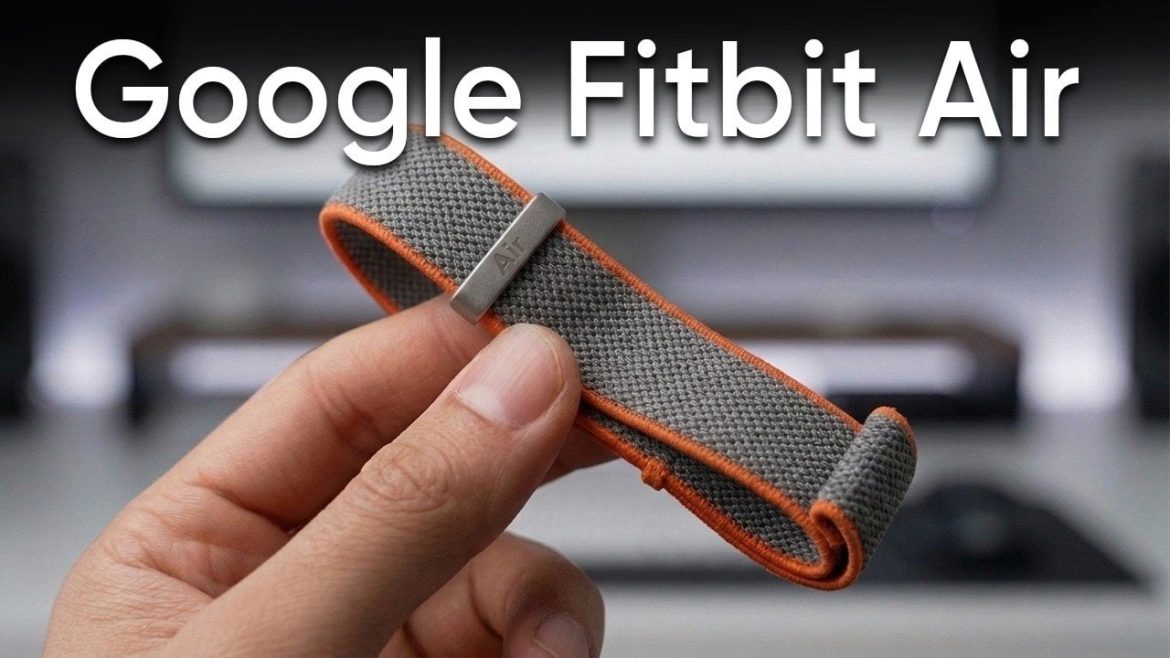
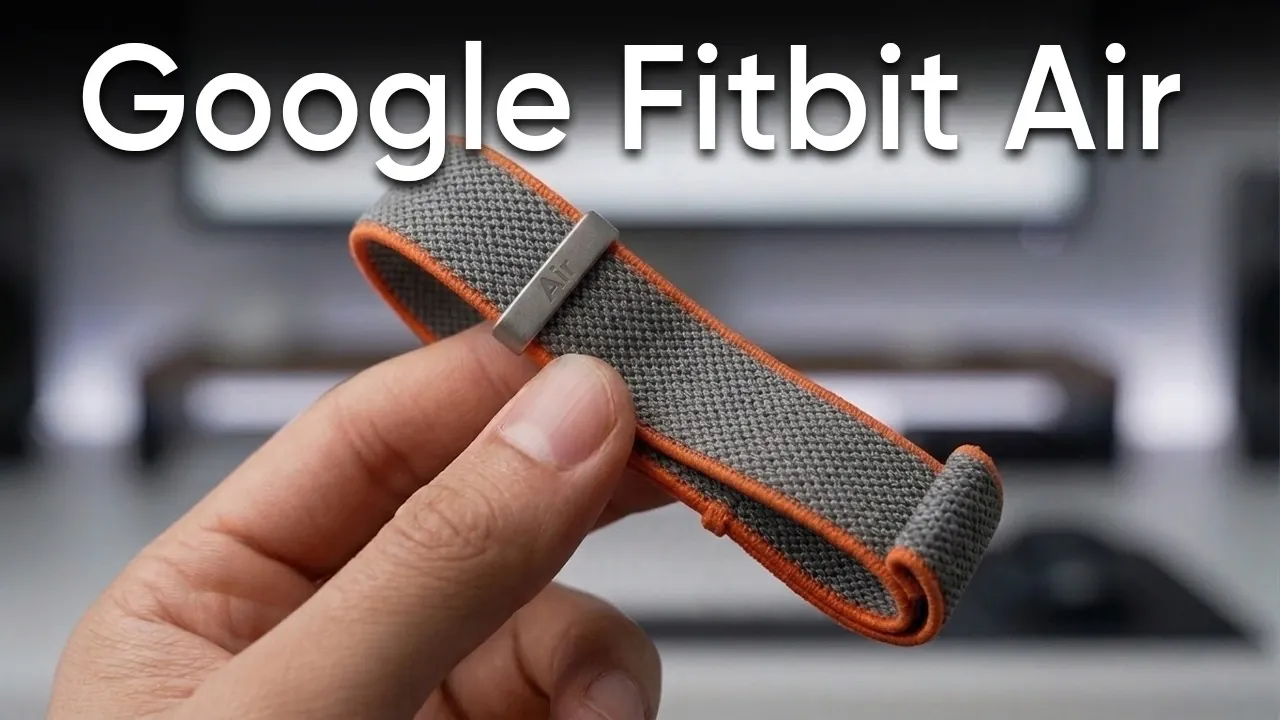
Google’s announcement of the Fitbit Air introduces a screenless, passive wearable designed for unobtrusive health monitoring. According to TechAvid, the device collects metrics such as VO2 max, heart rate recovery and sleep quality, emphasizing simplicity and actionable insights over traditional smartwatch features. Central to its functionality is Google Gemini, an AI system that converts raw data into personalized health recommendations, offering users a streamlined approach to tracking and guidance. This minimalist design positions the Fitbit Air as a direct competitor to devices like WHOOP and the Oura Ring.
Explore how the Fitbit Air’s dual-tier model addresses the needs of both casual users and dedicated athletes by balancing accessibility with advanced functionality. Gain insight into its AI-driven coaching system, which adapts to individual progress to deliver tailored workout and recovery plans. Finally, examine the technical challenges Google faces, including maintaining data accuracy and optimizing battery performance, as it seeks to establish a foothold in the competitive health tech market.
Screenless Design: A Minimalist Approach to Fitness Tracking
TL;DR Key Takeaways :
- The Fitbit Air introduces a screenless, passive fitness tracker that operates unobtrusively, focusing on simplicity and seamless integration into daily life.
- Powered by Google Gemini AI, the device provides personalized health insights and actionable recommendations based on metrics like VO2 max, heart rate recovery and sleep quality.
- It offers dynamic health coaching tailored to individual goals, evolving with users to provide long-term fitness and recovery strategies.
- A dual-tier model ensures accessibility, with a free tier for basic features and a premium tier for advanced AI-driven insights and coaching.
- The Fitbit Air differentiates itself in a competitive market with its minimalist design, AI integration and focus on software-driven value over hardware-centric features.
The Fitbit Air’s most striking feature is its screenless design, a departure from the conventional fitness trackers and smartwatches that dominate the market. By eliminating displays and notifications, the device prioritizes unobtrusive functionality, allowing it to work quietly in the background. This minimalist approach caters to users who prefer technology that integrates seamlessly into their lives without demanding constant attention.
The absence of a screen encourages a focus on passive tracking, allowing you to stay engaged in your daily activities without interruptions. Whether you’re at work, exercising, or relaxing, the Fitbit Air collects essential health metrics without requiring interaction, redefining how wearable devices fit into your routine.
AI-Driven Insights: Google Gemini at the Core
At the heart of the Fitbit Air lies Google Gemini, an advanced AI system designed to transform raw health data into actionable insights. The device tracks a wide range of metrics, including VO2 max, heart rate recovery and sleep quality and translates them into personalized recommendations. For example:
- If your heart rate recovery suggests overtraining, the AI might recommend a rest day or lighter activity to prevent burnout.
- Consistently poor sleep quality could prompt tailored suggestions, such as adjusting your bedtime routine to improve recovery.
These insights are accessible through the Fitbit app, making sure that you receive clear, personalized guidance to optimize your health and fitness. By using Google’s AI expertise, the Fitbit Air provides a deeper understanding of your body’s needs, empowering you to make informed decisions about your well-being.

Check out more relevant guides from our extensive collection on Google that you might find useful.
Dynamic Health Coaching for Long-Term Benefits
The Fitbit Air extends beyond basic tracking by offering dynamic health coaching tailored to your individual goals. Whether you’re training for a marathon, aiming to improve general fitness, or managing recovery, the device adapts its recommendations based on your progress. Unlike traditional trackers that rely on static metrics, the Fitbit Air evolves with you, providing workout plans, lifestyle adjustments and recovery strategies that align with your changing needs.
This personalized approach makes the Fitbit Air a valuable tool for long-term health management, bridging the gap between data collection and actionable outcomes. By focusing on your unique fitness journey, the device ensures that its insights remain relevant and impactful over time.
Dual-Tier Model: Accessibility for All
To cater to a diverse audience, Google has introduced a dual-tier model for the Fitbit Air:
- Free Tier: Offers essential features such as step counting and basic heart rate monitoring, making the device accessible to casual users.
- Premium Tier: Unlocks advanced AI-driven insights and personalized health coaching through a Fitbit Premium subscription, appealing to fitness enthusiasts and those seeking deeper engagement.
This tiered structure ensures that the Fitbit Air remains inclusive, providing value to both entry-level users and those who demand more sophisticated features. By balancing free and premium offerings, Google aims to broaden the device’s appeal and establish a strong foothold in the competitive wearable market.
Standing Out in a Crowded Market
The Fitbit Air enters a saturated market dominated by established players like the Whoop and Oura Ring, both known for their emphasis on passive tracking and data-driven insights. However, Google’s latest offering differentiates itself through its integration with the Google AI ecosystem and its minimalist, screenless design. By focusing on software-driven value rather than hardware-centric features, the Fitbit Air seeks to carve out a unique niche in the wearable tech landscape.
This strategic positioning highlights Google’s commitment to using its technological expertise to deliver a product that prioritizes user experience and practicality. The Fitbit Air’s ability to seamlessly integrate with other Google services further enhances its appeal, creating a cohesive ecosystem for health and fitness management.
Key Challenges and Considerations
While the Fitbit Air introduces several innovative features, it also faces potential challenges that could influence its success:
- Battery Life: Continuous background tracking requires a robust battery capable of lasting several days or even weeks to meet user expectations.
- Data Accuracy: The reliability of AI-driven insights depends on the precision of the collected health metrics, making data accuracy a critical factor.
- AI Performance: The effectiveness of Google Gemini’s health coaching in real-world scenarios remains untested and could impact user trust and satisfaction.
Addressing these challenges will be essential for the Fitbit Air to deliver on its promises and establish itself as a reliable and effective tool for health tracking.
Shaping the Future of Wearable Health Tech
The Google Fitbit Air represents a significant step forward in wearable health technology, combining passive tracking, AI-driven insights and a screenless design to challenge traditional fitness tracker conventions. Its dual-tier model ensures accessibility for a broad audience, while its integration with Google Gemini offers advanced features for those seeking deeper insights into their health and fitness.
As the official launch at Google I/O 2026 approaches, the Fitbit Air holds the potential to redefine how wearable devices support your health journey. By addressing key challenges and delivering meaningful, personalized guidance, it could set a new standard for simplicity, functionality and innovation in the wearable tech industry.
Media Credit: TechAvid
Filed Under: Gadgets News, Top News
Disclosure: Some of our articles include affiliate links. If you buy something through one of these links, Geeky Gadgets may earn an affiliate commission. Learn about our Disclosure Policy.
