
Asia Pacific remains the strongest regional growth engine.
The global personal accessories market returned to growth in 2025 despite ongoing economic uncertainty, inflation, and trade volatility, according to Euromonitor International.
After recording flat real growth in 2024, the industry saw gains in both sales volume and value, with jewellery and watches emerging as the strongest-performing categories.
Asia Pacific remains the primary growth driver, supporting both short-term recovery and long-term expansion through 2030.
Persistent macroeconomic challenges, including inflation, tariff fluctuations, and supply chain disruptions, have fundamentally altered consumer behaviour.
Shoppers are increasingly embracing a “considered consumption” mindset, favouring fewer but more meaningful purchases that offer quality, durability, and emotional value.
“This shift is eroding impulse-led demand and intensifying competition, particularly within the mid-market, which is increasingly squeezed between low-cost basics and premium propositions with clearer differentiation,” the report noted.
As impulse-driven purchases decline, brands are being forced to compete on craftsmanship, authenticity, and long-term value rather than price alone.
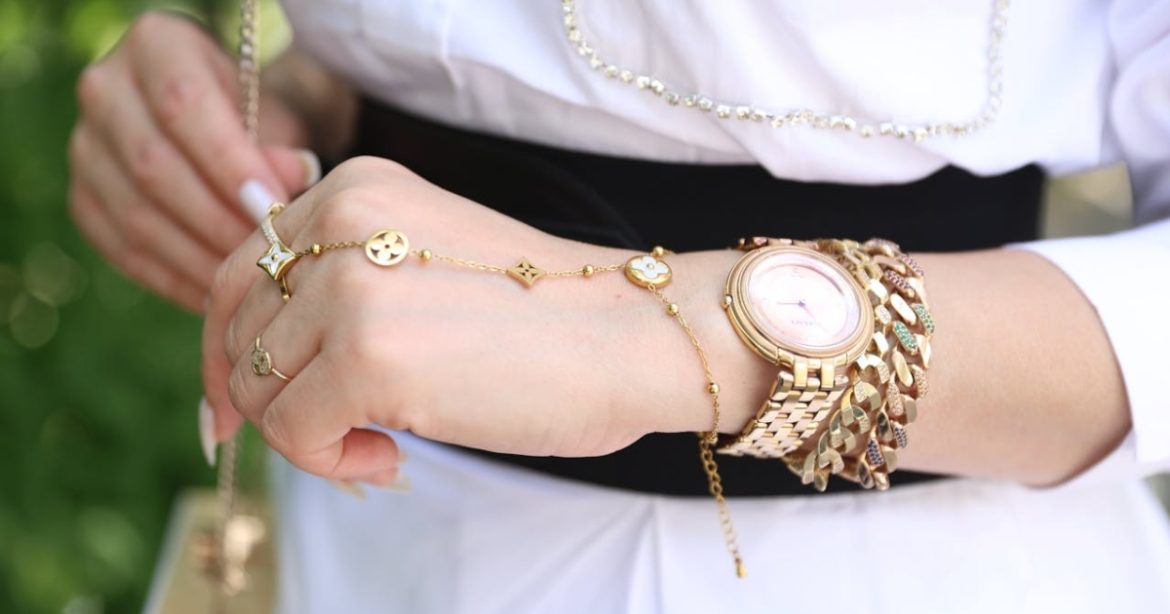
Jewellery continues to dominate the sector, accounting for 56% of global sales in 2025 and projected to grow at a 2.5% real CAGR through 2030.
Demand is being supported by affluent consumers seeking stores of value and younger shoppers looking for personalised, identity-driven products.
Innovation within the category includes customised designs, modular products, alternative materials, and digital storytelling initiatives that strengthen emotional connections between brands and consumers.
The watch category is also recovering, particularly in Asia Pacific, Western Europe, and the Middle East. Growth is being driven by gifting demand, tourism, and renewed interest in craftsmanship, with brands using limited editions and collaborations to attract younger consumers.
However, the industry remains vulnerable to commodity price fluctuations and changing trade policies. Rising gold and silver prices, combined with tariff uncertainty, are increasing costs and forcing brands to diversify sourcing and strengthen supply chains.
At the same time, consumers are redefining value. Factors such as craftsmanship, sustainability, responsible sourcing, and product longevity are becoming more important purchasing considerations.
Brands that clearly communicate these benefits are expected to outperform competitors relying primarily on discounts.
Emerging markets and international travel are creating additional growth opportunities. Countries including India, Mexico, and Indonesia are becoming increasingly important as expanding middle-class populations drive demand for branded accessories.
Travel retail channels, including airports and destination stores, are also contributing to premium sales growth.
“Strengthening supply chain resilience, investing in high‑growth regions, elevating value propositions, embracing sustainability as a strategic lever and accelerating tech‑enabled innovation will define the brands best positioned for long-term success,” the report said.
