
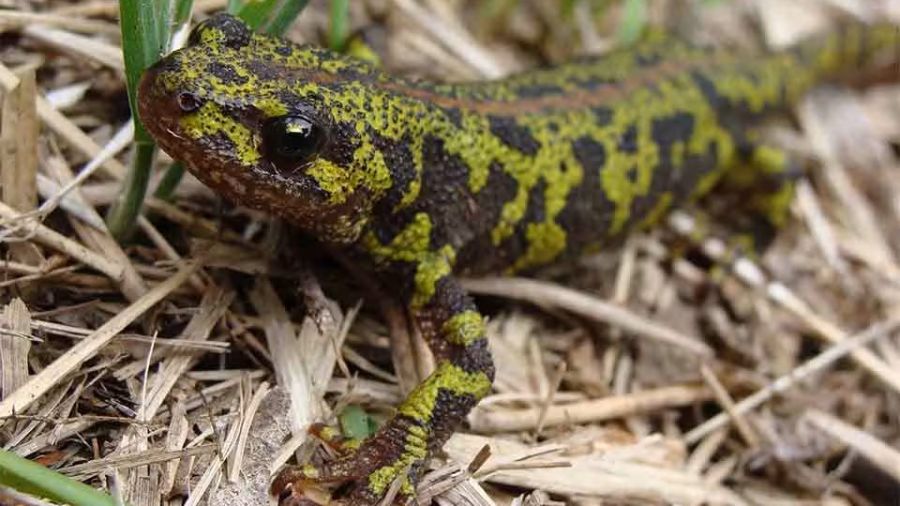
Sixteen illegally trafficked newts carrying a potentially transmissible disease were seized in Whatcom County by the Washington Department of Fish and Wildlife (WDFW).
A man from Everson brought the newts to Washington after buying them from an amphibian dealer and breeder based in Boston. The Everson resident is now facing charges after WDFW Police referred charges to the Whatcom County Prosecuting Attorney’s Office. According to Washington law, it is illegal to possess, introduce, or traffic the Anatolia newt and marbled newt — the two types of newts the man brought over from Boston — without authorization in the state.
Illegal newts in WA a part of nationwide illegal pet trade
The U.S. Fish and Wildlife Service (USFWS) has been investigating a larger-scale pet trade involving amphibians and reptiles that could have been exposed to a potentially transmissible disease for some time.
“Late last year, WDFW learned of a potentially transmissible disease affecting amphibians in the U.S. pet trade,” WDFW stated. “According to USFWS, a Boston amphibian dealer and breeder had been unlawfully acquiring federally prohibited species carrying the unknown pathogen/virus from Europe. Research suggests these pathogens can spread through direct contact and contaminated environments, with significant mortality rates and risk to native species.”
The Boston amphibian dealer’s facility housed between 300 and 500 amphibians and reptiles that were exposed to this potentially deadly pathogen, selling and shipping numerous amphibians across the country to other breeders and buyers. One recipient was the man from Everson, a breeder himself.
The Everson newt breeder was charged with two counts of second-degree unlawful use of invasive species — a gross misdemeanor. The maximum penalty for these charges is a one-year jail sentence and a $5,000 fine for each count.
“These coordinated state and federal efforts prevented the introduction and spread of a high-risk invasive species and a potentially devastating amphibian pathogen in Washington,” Justin Bush, WDFW Aquatic Invasive Species Division Manager, said. “If introduced to the wild, either could have caused severe ecological damage and triggered costly long-term management efforts. This case underscores the importance of early detection and rapid response.”
Follow Frank Sumrall on X. Send news tips here.


