

Houston vets warn of potential heat stroke for pets
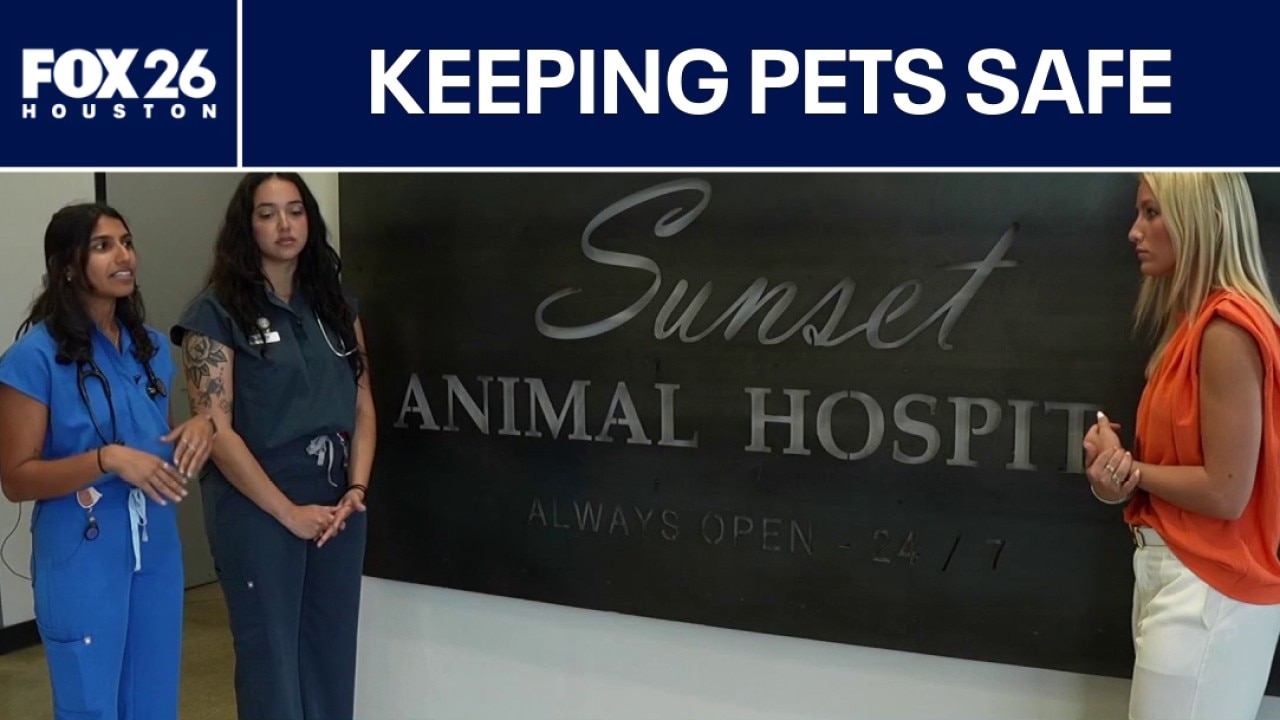
A dangerous combination of high temperatures and thick Gulf Coast humidity has prompted health officials and veterinary experts to warn Houstonians that the climate is creating a “perfect storm” for heat stroke in both humans and pets. FOX 26’s Mekenna Earnhart spoke to vet students about what pet parents should know.
HOUSTON – A dangerous combination of high temperatures and thick Gulf Coast humidity has prompted health officials and veterinary experts to warn Houstonians that the climate is creating a “perfect storm” for heat stroke in both humans and pets.
Hot weather causes concerns for humans, pets
What they’re saying:
While summer temperatures hovering in the low 90s are typical for June in Southeast Texas, local emergency rooms and veterinary clinics, like Sunset Animal Hospital, are seeing an influx of heat-related illnesses driven by humidity levels climbing past 60%.
Experts warn the moisture creates a literal barrier to the body’s natural defense systems.
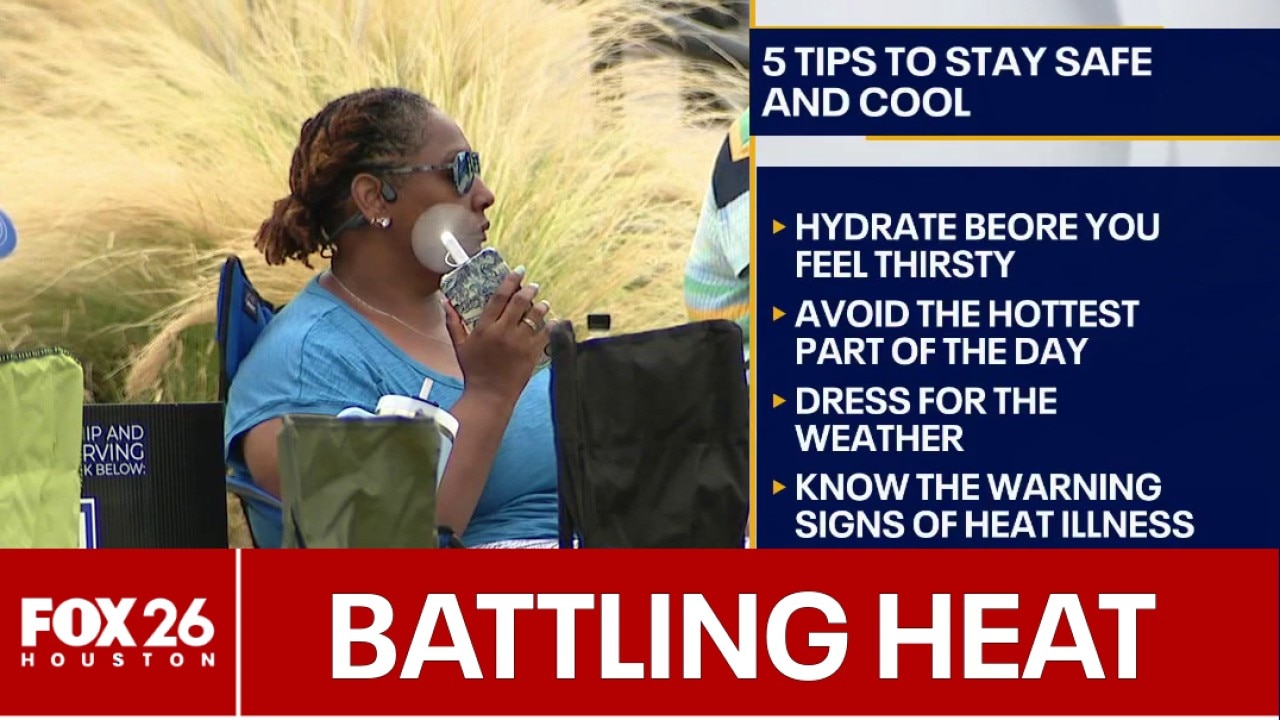
“With that 60% humidity plus, it can increase the heat index by 5–15 degrees,” said Dr. Abdulla Kudrath, an emergency room physician at Post Oak ER. “So you are not evaporating your sweat as efficiently to cool yourself down. A lot of people who don’t have humidity like that… get very surprised and sometimes get caught off guard.”
The Red Flag for Humans: Confusion
Why you should care:
According to Kudrath, the human body transitions from heat exhaustion to heat stroke when its built-in cooling system completely fails. While heat exhaustion causes heavy sweating, headaches, and nausea, heat stroke marks a dangerous turning point.
“A person can actually stop sweating. They’re getting dehydrated, and they can get confused,” Kudrath said. “Altered mental status or confusion is, I would say, the best sign to look for on somebody who’s in really bad shape.”
Medical experts emphasize that if an individual stops sweating or displays signs of disorientation in extreme heat, bystanders should call 911 immediately rather than simply offering water, as internal organs and kidneys face rapid, life-threatening damage.
The Hidden Danger for Pets: The Ice Water Mistake
The other side:
The threat is equally severe for area pets who experience a triple-digit heat index through a permanent layer of fur.
Valeria Reyna and Sarena Lawji, veterinary medicine students from Texas A&M University, noted that peak afternoon temperatures can feel closer to 130 degrees for a dog. They warned that owners frequently make a critical, well-intentioned mistake when trying to rescue an overheating pet.
“Avoid using super cold water. So don’t use ice. Don’t use iced water. Use lukewarm water,” Lawji said. “Cold water can constrict their veins, which in essence is just trapping that heat in their body, which leads them to overheating even more.”
Instead, pet owners should move the animal into an air-conditioned space and apply wet, lukewarm towels to the paws, belly, and back.
Prevention and Delayed Symptoms
What you can do:
To protect pets, the veterinary students recommend checking ground temperatures using the “seven-second test”—placing the back of a human hand on the pavement for seven seconds. If it is too hot to hold comfortably, it will cause blistering on a dog’s paws.
Walks should be restricted to early mornings or late evenings, with a heavy emphasis on staying on grassy surfaces.
Experts also noted that certain breeds—specifically brachycephalic or “smushed-face” dogs like French Bulldogs, pugs, and English Bulldogs—along with senior or sick animals, face a much higher acceleration toward heat stroke.
Alarmingly, the damage from overheating in pets isn’t always instantaneous. Reyna warned that a dog may appear to recover initially, only to develop severe complications 24–48 hours later.
“Sometimes you’ll get home, and you can cool them off in the moment, and they seem fine for a day, even two, and then you can see them starting to have bloody diarrhea [and] vomiting,” Reyna said, urging owners to closely monitor pets days after an intense outdoor outing.
If an animal’s core temperature exceeds 106 degrees, irreversible internal organ damage can occur rapidly.
Health professionals urge all residents—and the influx of out-of-town visitors currently traveling through the region—to respect the humidity, seek shade, and treat confusion or a lack of sweat as an immediate emergency.
The Source: Dr. Abdulla Kudrath, an emergency room physician at Post Oak ER, Valeria Reyna and Sarena Lawji, veterinary medicine students from Texas A&M University
