

For years, Bali, Tuscany and the south of France held an almost mythical allure for Indian couples dreaming of the perfect destination wedding. But the landscape is shifting and it is shifting closer to home.
Across India, a new wave of wedding demand is quietly rewriting the destination playbook. While Rajasthan and Goa continue to anchor the market, destinations like Kerala, Kochi, Kolkata, Uttarakhand, Bhubaneswar and Madhya Pradesh are rapidly gaining ground among couples who want intimate, culturally immersive celebrations without crossing a border.
Rajeev Jain, who tracks this space closely, sees the trend as both structural and sentiment-driven. “India’s destination wedding market is increasingly shifting toward homegrown locations that combine strong infrastructure with unique cultural and natural experiences. While Rajasthan and Goa continue to lead demand, destinations such as Kerala, Kochi, Kolkata, Uttarakhand, Bhubaneswar and Madhya Pradesh are gaining traction among couples seeking intimate, experiential celebrations closer to home. This trend also reflects the growing sentiment behind the ‘Wed in India’ movement, encouraging couples to celebrate within the country while discovering its diverse heritage, landscapes and hospitality. We expect the next wave of growth to come from destinations that offer authenticity, ease of access and diverse venue options while showcasing the richness of India’s regional culture.”
That shift, for many in the industry, was brought into sharp focus by a moment of unexpected disruption. Rahul Manjal, a seasoned wedding professional, recounts a telling anecdote: “Just a month ago, I was attending a wedding in Abu Dhabi when my return flight was unexpectedly cancelled, forcing me to reroute through Dubai. While it was a minor inconvenience for me, it underscored a larger reality for the wedding industry: uncertainty around international travel can quickly reshape destination preferences.”
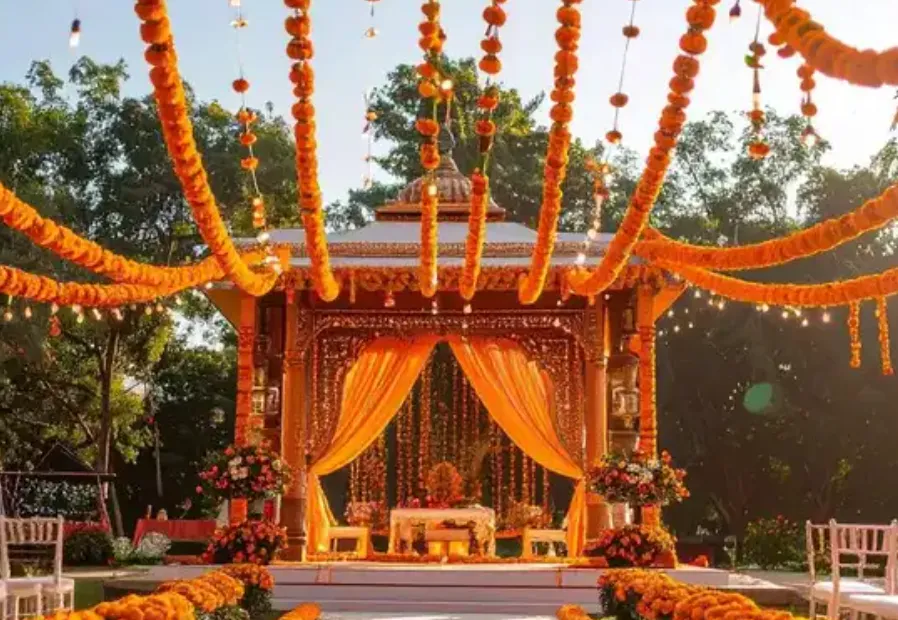 The observation runs deeper than a missed flight. Manjal connects the episode to a broader macro shift: “What may seem like a challenge globally could well be a blessing in disguise for India’s most sought-after wedding destinations. With the Prime Minister recently emphasizing the importance of domestic tourism and mindful international travel, the ripple effects are already beginning to show. Over the past few months, there has been a noticeable shift in consumer sentiment, with couples increasingly exploring India’s vast portfolio of luxury wedding destinations instead of looking overseas.”
The proof, he argues, is already visible in the numbers. “The summer season offered an early glimpse of what’s to come. Hotels, resorts, and event venues across the country witnessed unprecedented demand, with weddings and leisure tourism often competing for the same inventory. If current trends continue, the upcoming wedding calendar, from November through March, could push demand to record highs.” But winning this moment, Manjal cautions, will require more than scenic backdrops: “The winners in this next phase will not simply be properties with the most picturesque backdrops, but those that can deliver seamless execution, faster turnaround times, operational agility and exceptional guest experiences at scale.”

For the hospitality sector, the stakes are high and the opportunity is well understood. Prateek Tandon, Co-founder of India’s Best Wedding Makers (IBWM) and Founder of Copper Events, frames destination weddings as one of the most resilient revenue streams in the business. “The destination wedding segment continues to be one of the strongest demand drivers for hospitality in India. Unlike discretionary leisure travel, weddings are milestone celebrations with committed budgets and fixed timelines, making them relatively resilient to short-term market fluctuations. We are seeing families prioritize meaningful guest experiences, longer stays, and multi-day celebrations, which directly benefits hotel occupancy, F&B revenues, and ancillary services.” He adds: “While weddings may not completely offset softness in all travel segments, they provide hotels with a high-value revenue stream and greater booking visibility. This is why many hospitality brands are increasingly investing in wedding infrastructure, experiential offerings, and destination-specific packages. The Indian wedding market remains robust, and destination weddings continue to play a significant role in supporting growth across the hospitality ecosystem.”
What ties all three perspectives together is a single, compelling idea, that the next big wedding trend may not be about travelling farther. As Manjal puts it, it may simply be about rediscovering the extraordinary possibilities that already exist closer to home.
