
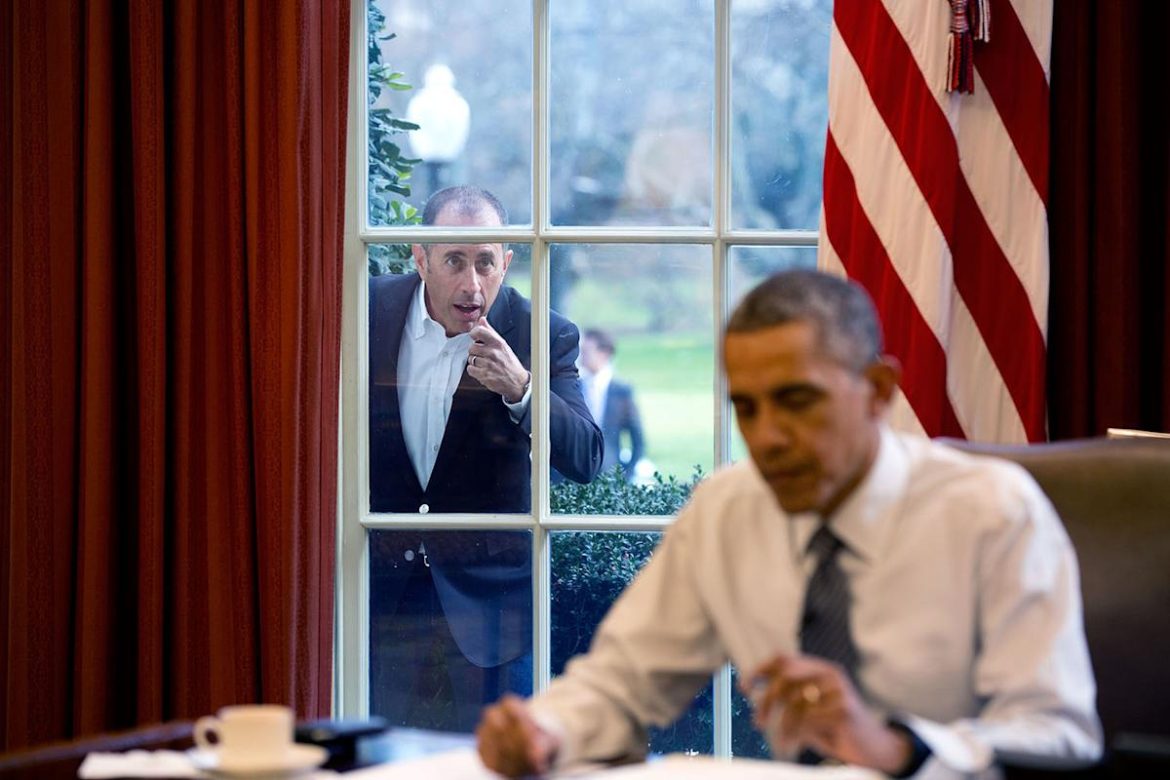
Jerry Seinfeld just threw a punch at electric cars, and it landed exactly where the industry is most sensitive. His blunt dismissal of EVs as nothing more than a status-driven gesture is stirring up a familiar tension between image and reality, and it is not staying confined to comedy.
This is not a technical debate. It is a cultural one, and it is getting louder.
More Stories Like This
What Happened
In a recent interview, Seinfeld made it clear he has no interest in electric vehicles. He did not hedge or soften the take. Instead, he framed EV ownership as performative, suggesting the appeal is less about function and more about signaling to others.
Advertisement
Advertisement
He also challenged the narrative behind electric cars by pointing to the materials involved in building them, questioning whether the story being sold to drivers actually holds up under scrutiny.
That is the entire spark behind this moment. No product launch, no policy change, no recall. Just a high-profile figure saying out loud what a lot of people have been thinking quietly.
Why This Hit So Hard
Seinfeld is not just another celebrity tossing out an opinion. He is deeply tied to car culture, known for his long-standing passion for driving and automotive enthusiasm. When someone with that background rejects electric cars outright, it carries a different kind of weight.
That is where things change.
Related Incidents
Advertisement
Advertisement
This is not coming from someone disconnected from cars. It is coming from someone who built a reputation around appreciating them. That makes the criticism feel less like noise and more like a challenge.
And it cuts straight into a sensitive part of the EV conversation. The idea that electric cars are not just transportation, but a statement.
The Image Problem
Here is the part that matters.
Electric vehicles have been marketed not just as a different kind of car, but as a better choice. Cleaner, smarter, more responsible. That messaging has been central to their rise. But it also opens the door for criticism when people start to question whether that identity is being used as a selling tool rather than a proven outcome.
Advertisement
Advertisement
Seinfeld’s comments go directly after that perception. He is not arguing performance numbers or range. He is calling out the image.
And that lands differently than a technical critique. It challenges why people buy these cars in the first place.
Where It Gets Complicated
The pushback against Seinfeld is predictable, but the reason his comments stick is because they tap into a broader discomfort. Not everyone buying an electric car is doing it for the same reason, but the public narrative often paints them with a single brush.
That creates tension.
Drivers who just want a car that works for them get lumped into a larger identity conversation. At the same time, critics see the branding and start to question whether the entire movement is built as much on perception as it is on engineering.
Advertisement
Advertisement
That is where the conversation shifts from cars to culture.
The Enthusiast Angle
For car enthusiasts, this debate hits close to home. The automotive world has always been about more than transportation. It is about connection, experience, and identity. When a new technology comes in and reshapes that landscape, it is going to face resistance.
Seinfeld’s stance reflects that resistance in a very direct way.
He is not attacking drivers as individuals. He is pushing back on the idea that one type of car should carry moral weight over another. For enthusiasts who feel like the conversation around cars has become overly sanitized or one-dimensional, that resonates.
The Stakes Beyond One Comment
This is not just about one celebrity opinion. It is about how the conversation around cars is evolving.
Advertisement
Advertisement
Electric vehicles are being positioned as the future, but not everyone is ready to accept that future on the terms being presented. When criticism like this surfaces, it exposes the gap between how the industry talks about EVs and how some drivers actually see them.
That gap matters.
You Should Read This Next
If the perception grows that electric cars are being pushed as a social signal rather than a straightforward product, it risks alienating the very people the industry needs to win over.
Bigger Picture
There is a reason comments like this travel fast. They cut through polished messaging and force a more uncomfortable discussion.
Are electric cars being embraced because they are genuinely better for drivers, or because of the image attached to them? That question is not going away, especially as more voices start to challenge the narrative.
Advertisement
Advertisement
Seinfeld’s take is not nuanced, and it is not trying to be. But that simplicity is exactly why it spreads. It strips the conversation down to something people can react to immediately.
What This Means Going Forward
This moment does not change the trajectory of electric vehicles overnight. But it does highlight a growing divide in how they are perceived.
Some drivers see progress. Others see pressure.
That tension is going to define the next phase of the automotive conversation. Not just what cars people buy, but why they buy them and what those choices say about them.
And if the industry cannot separate product from perception, voices like Seinfeld’s are going to keep cutting through the noise.
Advertisement
Advertisement
Continue Reading: Mustang Hits Alleged 140 MPH During Police Chase Before Driver Lands in Jail and Loses the Car
