
Gasgoo Munich- By 2026, the battleground for technology has shifted once again.
Previously, the race was about range breaking 1,000 km, acceleration dipping under three seconds, and NOA coverage exceeding 100 cities.
This year, the focus has clearly narrowed. Powertrains are no longer judged solely on energy density, but on discharge performance at minus 30 degrees Celsius. Assisted driving isn’t just about the number of cities covered, but the synergy between algorithmic architecture and perception hardware. Cockpit interaction has moved beyond counting features to testing whether voice assistants understand nuances like “I’m a bit cold” — marking the arrival of AI agents.
The industry’s technology race is drilling down ever deeper. Ouyang Minggao, an academician at the Chinese Academy of Sciences and professor at Tsinghua University, predicts that during the 15th Five-Year Plan period, competition in the new-energy vehicle sector will shift from leading in single technologies to a battle of entire technological systems.
The dividends from isolated breakthroughs are shrinking, replaced by the need for systemic integration across safety, efficiency, charging, and intelligence.
The Auto China 2026 offers a clear window into this transition.
Where Is the Tech Race Heading?
New models serve as the primary stage for these technologies. At this year’s show, alongside AI integration and smart driving, underlying technologies like chassis and battery systems are seeing major upgrades. These are no longer mere concept displays; they are being rolled out at scale in production models.
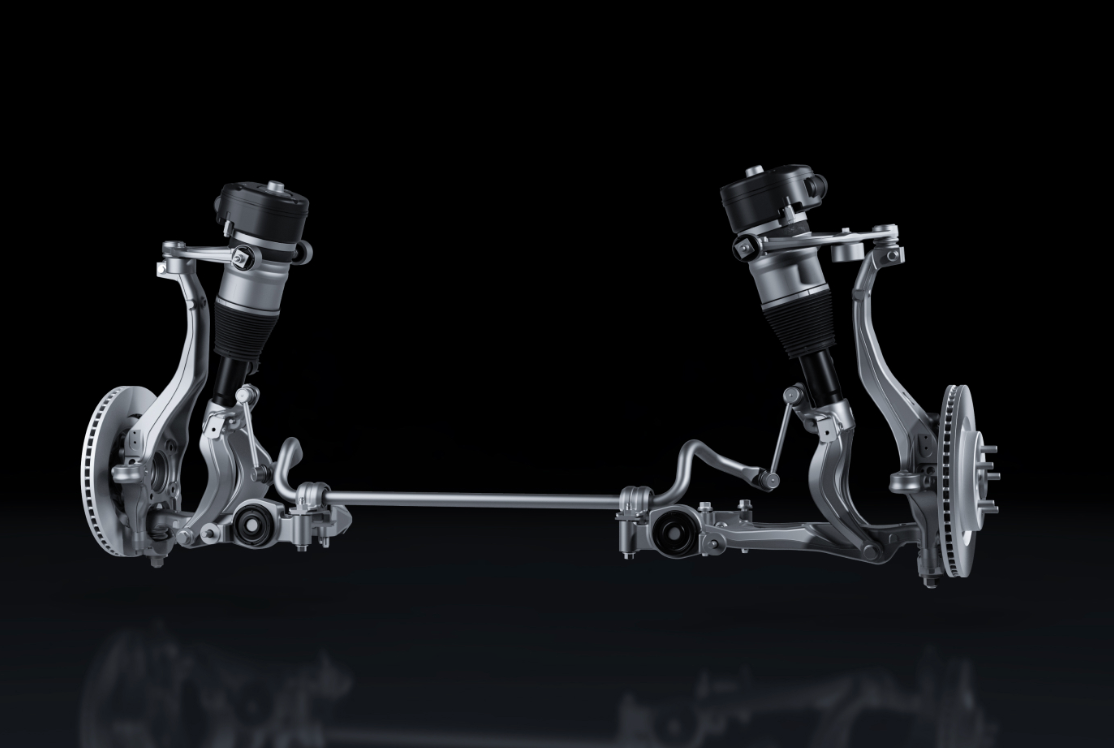
Image Source: Li Auto
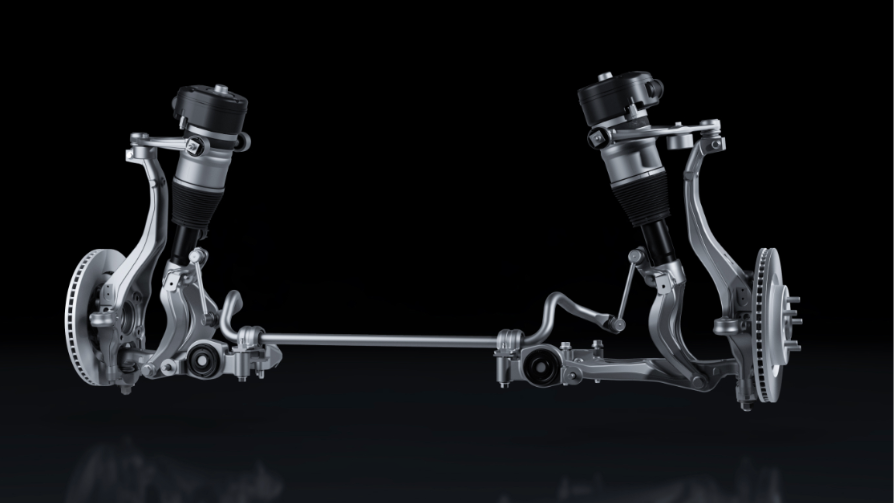
Chassis upgrades are a clear signal. The Li Auto L9 Livis, for instance, features an 800V fully active suspension and a full steer-by-wire chassis with hardware pre-installed for Level 3 autonomous driving. XPENG’s GX made its global mass-production debut with a steer-by-wire system and pre-installed Level 4 autonomous driving hardware. NIO’s ES9 comes equipped with steer-by-wire, rear-wheel steering, and a fully active suspension. Configurations once reserved for luxury or even million-yuan vehicles are becoming standard in the 400,000-yuan class.
The WEY V9X, positioned as a large SUV, comes standard with rear-wheel steering. With a turning angle of ±10 degrees, its turning radius is just 5.1 meters — making it more agile than many compact cars.
Huawei’s Tuling platform integrates functions like CDC variable damping and rear-wheel steering, elevating intelligent chassis control to a system-level height.
The trickle-down of these technologies means vehicle handling, comfort, and safety redundancy are being redefined. The chassis is no longer just a mechanical structure supporting the body; it is a core system deeply integrated with intelligence.
Competition in assisted driving is accelerating as well. On the hardware front, proprietary chips are entering mass production. The new AITO M9 is equipped with six LiDAR sensors, including one with 896 lines; the Li Auto L9 Livis uses two self-developed M100 chips delivering total computing power of 2,560 TOPS; and the XPENG GX carries four self-developed Turing AI chips with 3,000 TOPS.
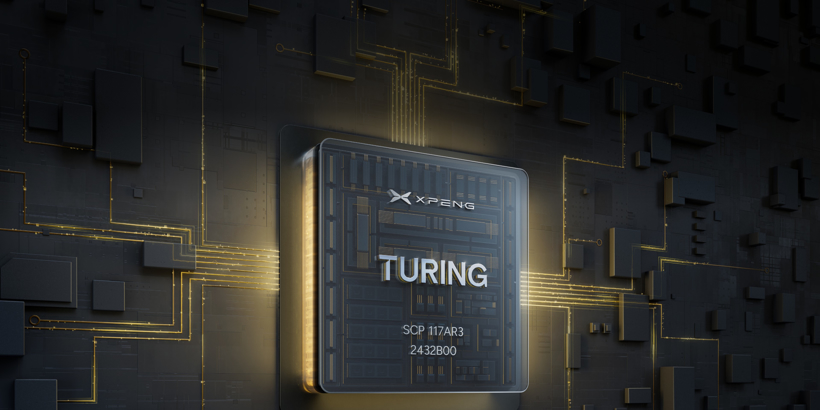
Image Source: XPENG
Behind this computing power race lies a bet on continuous OTA iteration. Embedding high computing power allows vehicles to evolve after delivery, extending the product lifecycle from a fixed state at handover to one of continuous improvement.
On the algorithmic front, DeepRoute’s 40-billion-parameter base model has entered mass production. It unifies driving, analysis, and assessment capabilities within a single architecture, compressing the data closed-loop cycle from over five days to about 12 hours. This shortened iteration time is redefining the efficiency of technological advancement.
QCraft released a physical AI solution based on “world models + reinforcement learning” to support the simultaneous rollout of mass-market assisted driving and Level 4 autonomous driving.
Solutions like Huawei ADS 5.0 and XPENG XNGP 5.0 are leveraging multi-sensor fusion and large-model technologies to upgrade all-scenario smart driving capabilities, enabling map-less deployment and iterative intelligent decision-making. The competition in assisted driving is shifting from stacking hardware to a contest of algorithmic efficiency and data closed-loop performance.
In smart cockpits, Great Wall Motor recently demonstrated a “Human-AI-Agent” interactive experience based on large models. Already applied across several models, these agents can understand user intent via natural language, becoming a new direction for differentiation.
Huawei’s HarmonySpace cockpit, powered by HarmonyOS, enables seamless collaboration across phones, vehicles, and smart homes, supporting multi-modal interactions like voice and gestures. Similarly, Xiaomi’s HyperOS cockpit achieves deep integration between phones, vehicles, and smart home devices.
At the vehicle architecture level, Horizon Robotics released the “Starry” series of cockpit-driving fusion chips, merging the tasks of two domain controllers into one and reducing per-vehicle costs by 1,500 to 4,000 yuan. Replacing two chips with one saves not only cost but also wiring weight and development complexity.
Huawei’s Zhiqing powertrain provides support at the system level with the global debut of a dual 94% silicon carbide platform, balancing efficiency for both range extenders and electric drives.
Image Source: BYD
The power battery sector is iterating rapidly. CATL recently announced that sodium-ion batteries will achieve mass production in the fourth quarter. The technology has overcome four major bottlenecks: extreme moisture control, gas generation in hard carbon, aluminum foil bonding, and self-generated anodes. Its discharge power at minus 30 degrees Celsius is nearly three times that of LFP batteries, while raw material costs are cut by about 30%.
BYD demonstrated real-world application of all-solid-state batteries with an energy density of 480 Wh/kg and a CLTC range exceeding 1,200 km, planning for small-batch installation after 2027.
Huawei’s Giant Whale Battery 3.0 adopts a “cell-upright + shell-neutral” design centered on vehicle architecture. Equipped with five active protection technologies, it achieves a leap in battery safety from passive defense to intelligent active protection.
On high-voltage platforms, BYD’s full-domain 1,000V platform paired with Megawatt Charging 2.0 delivers 400 km of range in 5 minutes, while Dongfeng Motor’s 1,200V architecture achieves 450 km in the same time. The efficiency of fast charging is rapidly closing in on the refueling experience.
In charging infrastructure, ONVO recently showcased battery separation and swapping models. By leveraging off-peak electricity and V2G grid interaction, the cost per kilowatt-hour is lower than that of standard charging stations.
The evolutionary path of battery technology is becoming clearer: sodium batteries address affordability and cold-weather issues; solid-state batteries anchor ultimate safety and energy density; and high-voltage platforms unlock charging efficiency — all while competing on full lifecycle safety.
From chassis to smart driving, and from batteries to cockpits, the signal from automakers this year is clear: technology is no longer a numbers game on spec sheets, but a dive into every detail of the user’s actual driving scenarios.
Why Is This Happening?
The shift toward granular technical competition is driven by the industry’s development stage, technology maturity, and changing user demands.
One trend is becoming an industry consensus: assisted driving and smart cockpits are shifting from differentiating features to standard equipment. Almost all major automakers are pushing AI large models into vehicles, but this uniform direction has led to converging user experiences.
According to She Shidong, deputy general manager of intelligent products at Great Wall Motor, interfaces collected from over 200 vehicle models show a similarity exceeding 95%. In smart driving, DeepRoute CEO Zhou Guang revealed that current city NOA penetration is only about 15%, with insufficient user stickiness.
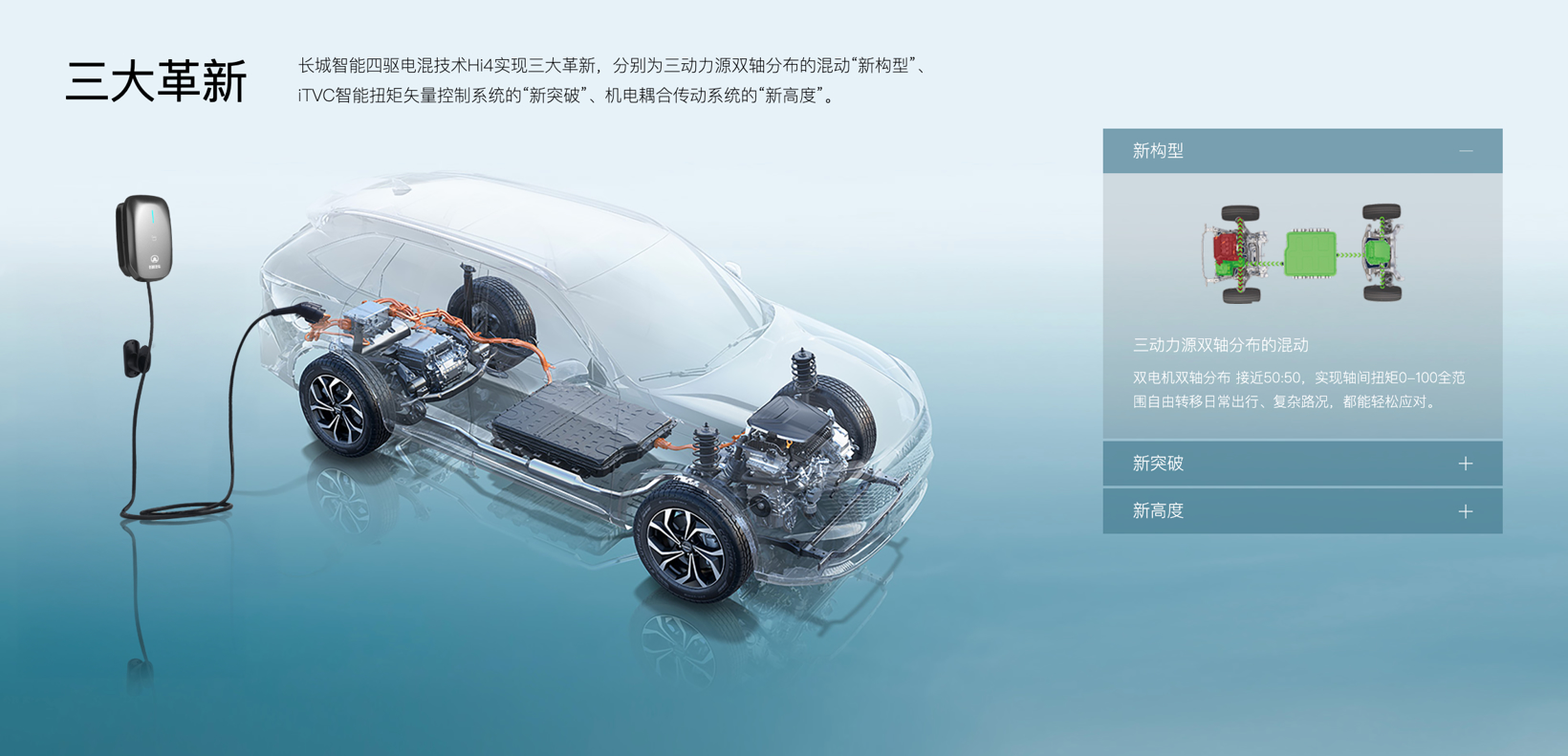
Image Source: Great Wall Motor
Veteran auto analyst Zhong Shi also points out that the gap in basic functionality among vehicles in the same segment is narrowing, making it difficult for consumers to perceive clear differences. Simply emphasizing differences in technical routes is no longer an effective market message.
This also explains why the controversy over “soul theory” is fading. For most automakers, the priority is scaling mature capabilities quickly rather than agonizing over whether to develop in-house or outsource.
Yet automakers still need brand differentiation. As core technologies homogenize, distinctions must extend into more niche areas. First, in core intelligence, the focus has shifted to deployment speed. Level 3 autonomous driving is moving from pilots to scale application, with many industry insiders viewing 2026 as a critical window for commercialization.
Second, in hardware configuration, LiDAR count, proprietary chips, and computing power have become new metrics for comparison. Jin Yuzhi, Huawei senior vice president and CEO of Yinwang, emphasized that safety is the foundation of intelligence and called on the industry to verify system capabilities through open data.
However, simply doubling down on intelligence is not enough to sustain long-term differentiation, so automakers are extending competition to chassis, steering, suspension, and entire vehicle control systems.
This is understandable: as the first half of the smart race ends in a draw, automakers are naturally turning their gaze to chassis and powertrain control. After all, ride comfort and interface smoothness are what consumers feel most directly.
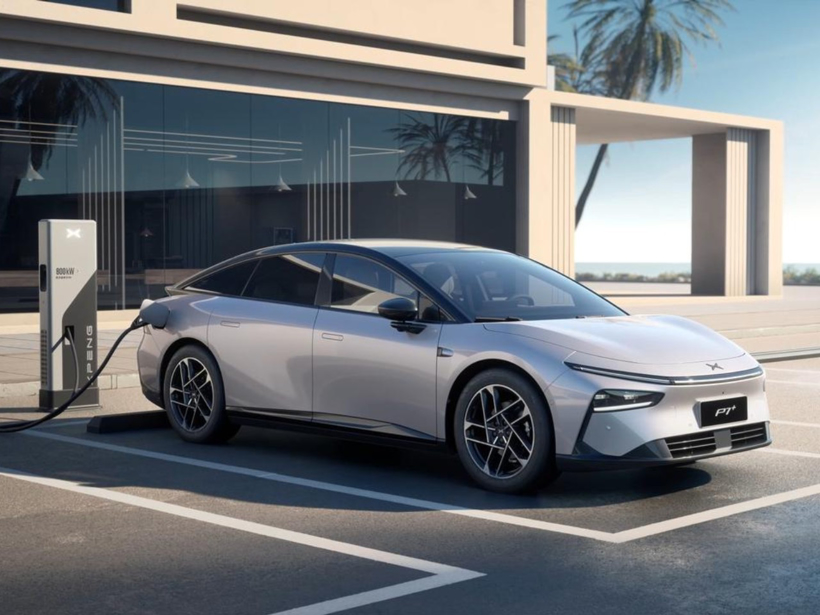
Image Source: XPENG
Another driver of technological refinement is the changing pace of development. Traditional linear development is being replaced by parallel, flattened processes, continuously shortening the new vehicle development cycle.
At the same time, with the penetration rate of new-energy passenger vehicles approaching 50%, the industry is gradually moving from high-speed growth to a stalemate phase. Data from the China Passenger Car Association (CPCA) shows domestic retail sales of passenger vehicles totaled 4.23 million units in the first quarter of 2026, a year-on-year decline of 17.5%.
The total market size has shrunk, yet domestic brands have captured 60% share. The market is not expanding, but there are more competitors fighting for a share. New models are proliferating, constantly fragmenting consumer attention.
Lian Yubo, chief scientist at BYD Group, notes that the market is characterized by fierce competition and slowing growth. Consumers are making more rational decisions, shifting from “just needing a car” to focusing on technology, safety, and experience. This shift in user demand essentially marks the industry’s transition from growth competition to market-share competition.
Real Innovation or Just Gimmicks?
Six LiDAR sensors, 3,000 TOPS of computing power — these numbers sound impressive, but the question remains: does the average user really need this much for their daily commute?
Some technological investments are clearly necessary. Competition around safety, efficiency, and reliability is essential. A Huawei report shows that vehicles using its ADS system experienced one severe collision per 5.17 million km in manual driving mode — 2.87 times safer than average human driving. In assisted driving mode, that figure improved to one collision per 7.57 million km, 4.2 times safer than human driving.
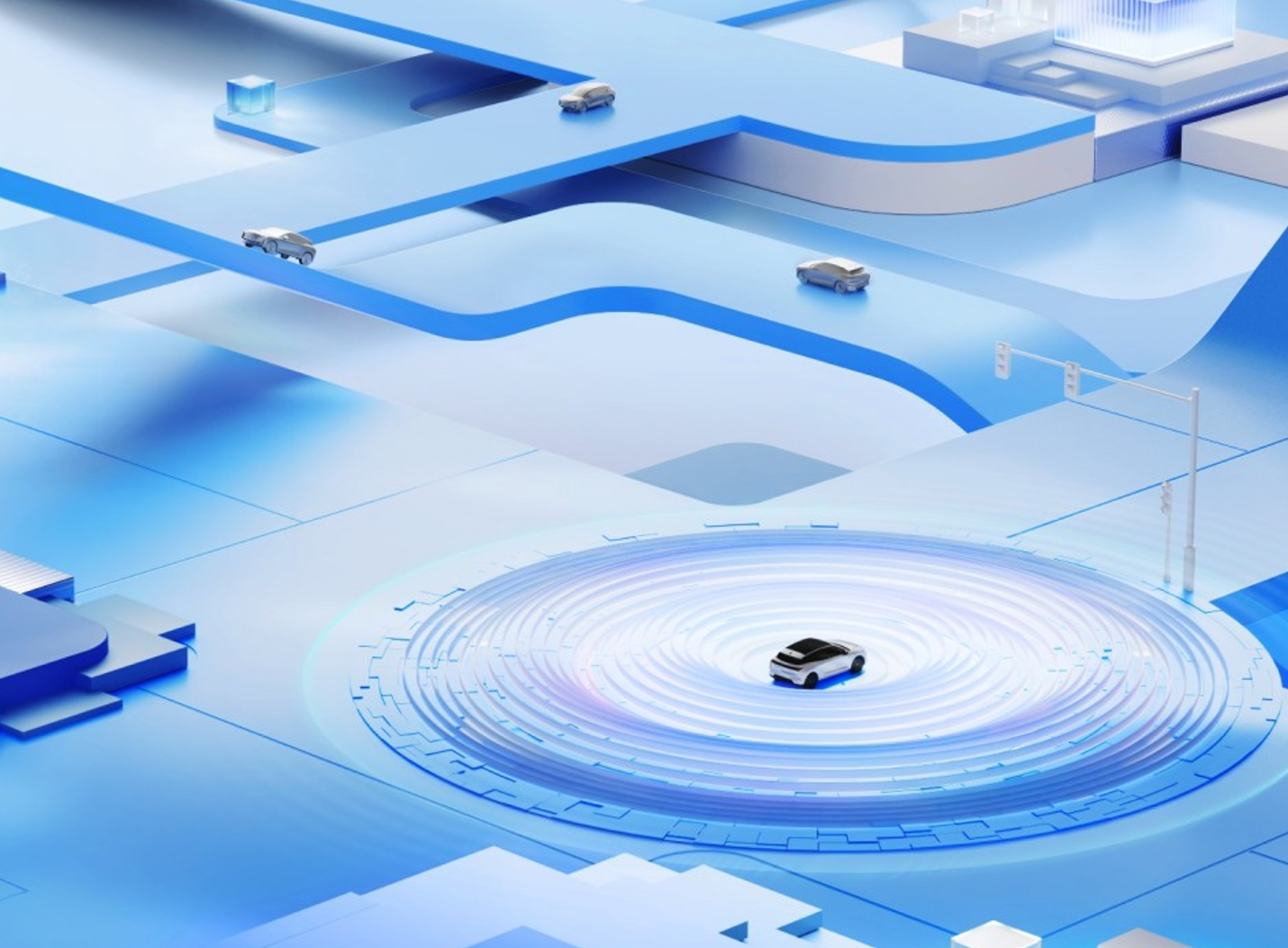
Image Source: Horizon Robotics
In other words, assisted driving is not a gimmick; it tangibly reduces accidents. Increasing perception redundancy, boosting computing power, and strengthening data closed-loops and verification systems are essentially investments centered on risk reduction.
In electrification, Lian Yubo argues that technological innovation should shift from parameter stacking to “perceivable, trustworthy experience upgrades.” The same applies to charging infrastructure: battery separation optimizes resource allocation at a system level and holds long-term value.
There is also a category of technology that sits between necessary and transitional. Take intelligent hardware configuration: moderate perception redundancy and computing reserves help stability, but as configurations continue to stack beyond the actual needs of algorithms and application scenarios, marginal returns diminish.
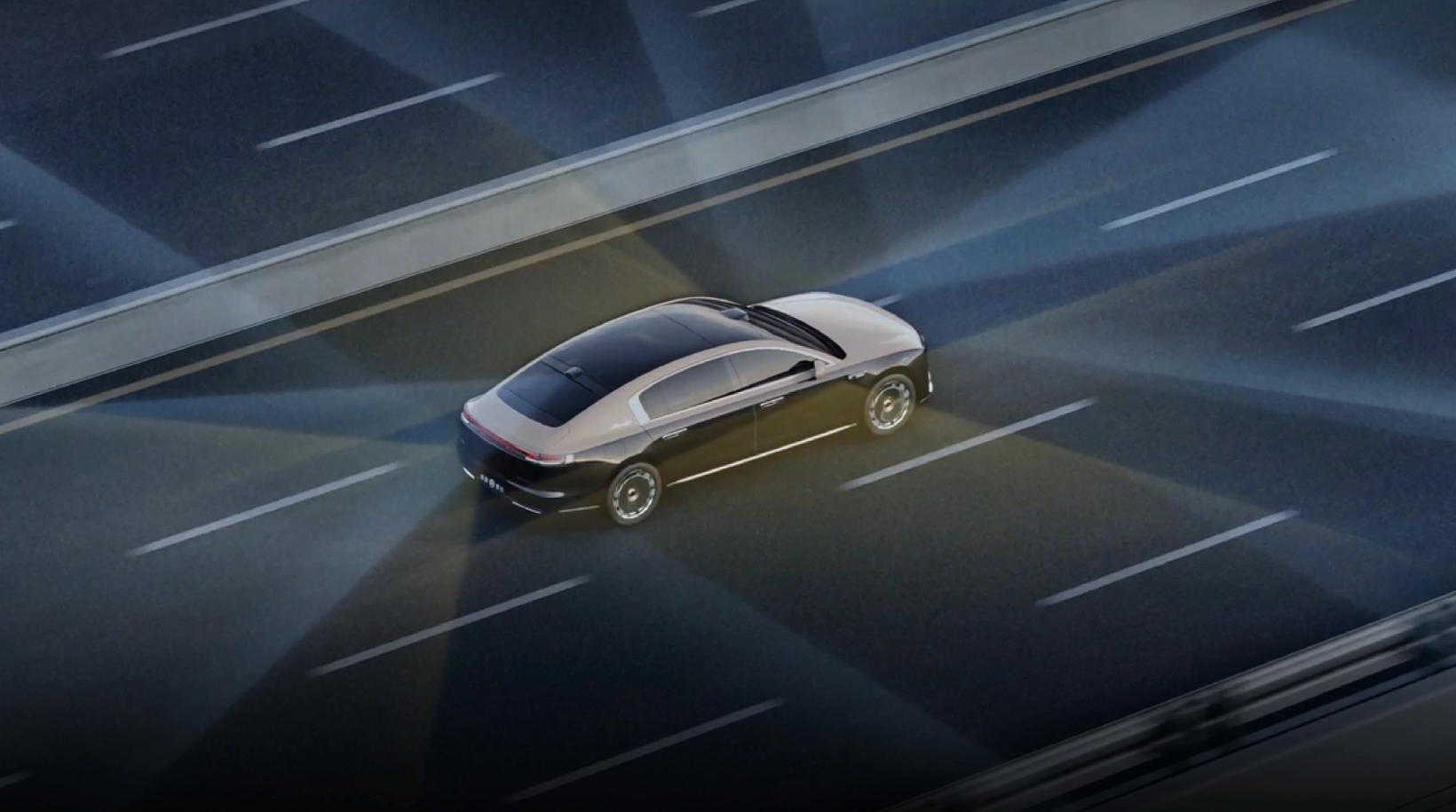
Image Source: Huawei Intelligent Automotive Solutions
As Zhong Shi notes, true safety should stem from structural design, control strategies, and continuous verification — not a simple numbers game of hardware quantity. The same applies to chassis and comfort features: the actual value of air suspension or rear-wheel steering depends on vehicle integration and user scenarios.
Then there are technologies closer to marketing-driven hype. Concepts like embodied AI and humanoid robots have long-term potential, but at this stage, the car’s core usage scenario still revolves around travel itself.
Competition around extreme parameters also risks being amplified — once specs exceed daily user needs, they serve more as brand demonstrations than functional necessities.
Notably, as Level 3+ assisted driving advances, new competitive dimensions are emerging. An industry insider pointed out that if assisted driving reaches Level 3 or above and steering wheels become obsolete, the real battle will shift to smart driving safety and cockpit spatial design — centered on enabling leisure, work, and travel functions inside the vehicle.
Under this trend, the tech race will also extend to new material innovation, lightweighting, green solutions, and health-safe materials. Indicators like in-cabin air quality, once overlooked, are indeed becoming new focal points.
As Zhang Yun, global CEO of RIES, put it: regardless of technological transformation, humanity’s two core demands for cars remain ride comfort and the freedom of driving.
Systemic Competition Becomes Key
As the dividends from isolated technological breakthroughs narrow, systemic capability is becoming the critical variable determining the competitive landscape.
Ouyang Minggao stated that for the 15th Five-Year Plan, the industry needs to achieve breakthroughs in full-process safety, all-climate fast charging, all-condition efficiency, and next-generation battery technologies. This isn’t about betting on leadership in a single technology, but about delivering stable, consistent capability output across different scenarios and conditions.
Take electrification: 800V high-voltage platforms are rapidly proliferating in the mainstream market, so competition naturally shifts to “how good is it?” — is charging efficiency stable? Is performance degradation controllable in different climates? These questions require the coordinated optimization of batteries, powertrains, thermal management, and vehicle control systems.
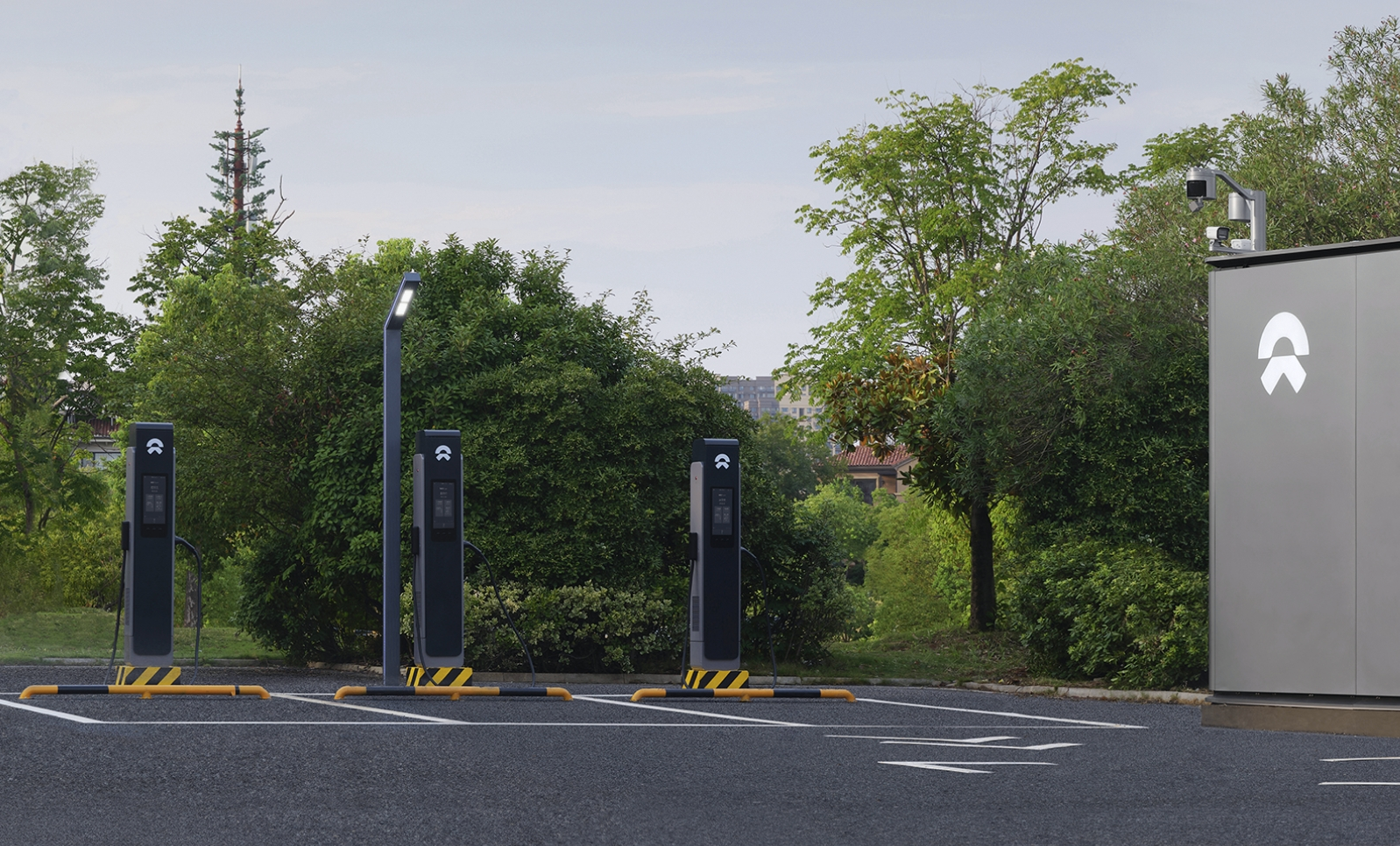
Image Source: NIO
The charging infrastructure itself is shifting from competition over individual facilities to competition over networks and ecosystems. ONVO President Shen Fei emphasized that charging systems are moving from single-function charging to diversified integration.
In intelligence, Horizon Robotics Vice President Lu Peng proposed that the era of physical AI requires building a “super platform” that must cross multiple thresholds: software-hardware synergy, cross-scenario verification, and cross-domain expansion.
Smart driving and smart cockpits need to operate synergistically under a unified computing platform and data architecture. Moving from distributed domain control to centralized computing platforms is not just a change in hardware architecture, but a reconstruction of the entire vehicle development logic.
Horizon Robotics founder and CEO Yu Kai suggests that OEMs merge their cockpit and smart driving teams to adapt to this trend.
Supply chain relationships are also evolving. Lian Yubo points out that the automotive industry is shifting from traditional chain-based supply to a “mesh-like symbiosis,” where value flows bidirectionally across different links. OEMs are no longer just technology integrators; they must possess capabilities in system design and resource integration.
The ability of leading companies to widen the gap is closely tied to their systemic capabilities. NIO revealed that over 12 years, it has invested over 67 billion yuan in R&D, building 12 full-stack proprietary systems. BYD invested over 60 billion yuan in R&D in 2025 alone, establishing a full-stack technology system covering batteries, motors, electronics, intelligence, and vehicle platforms. Huawei continues to invest heavily, creating the five major technology matrices of HarmonyOS Mobility and a full-stack smart automotive solution.
From a manufacturing and engineering perspective, Magna China President Wu Zhen identifies speed, system integration, software capability, and industrialization as four key factors. Only by completing system planning early in the design phase can a balance between cost, quality, and efficiency be achieved.
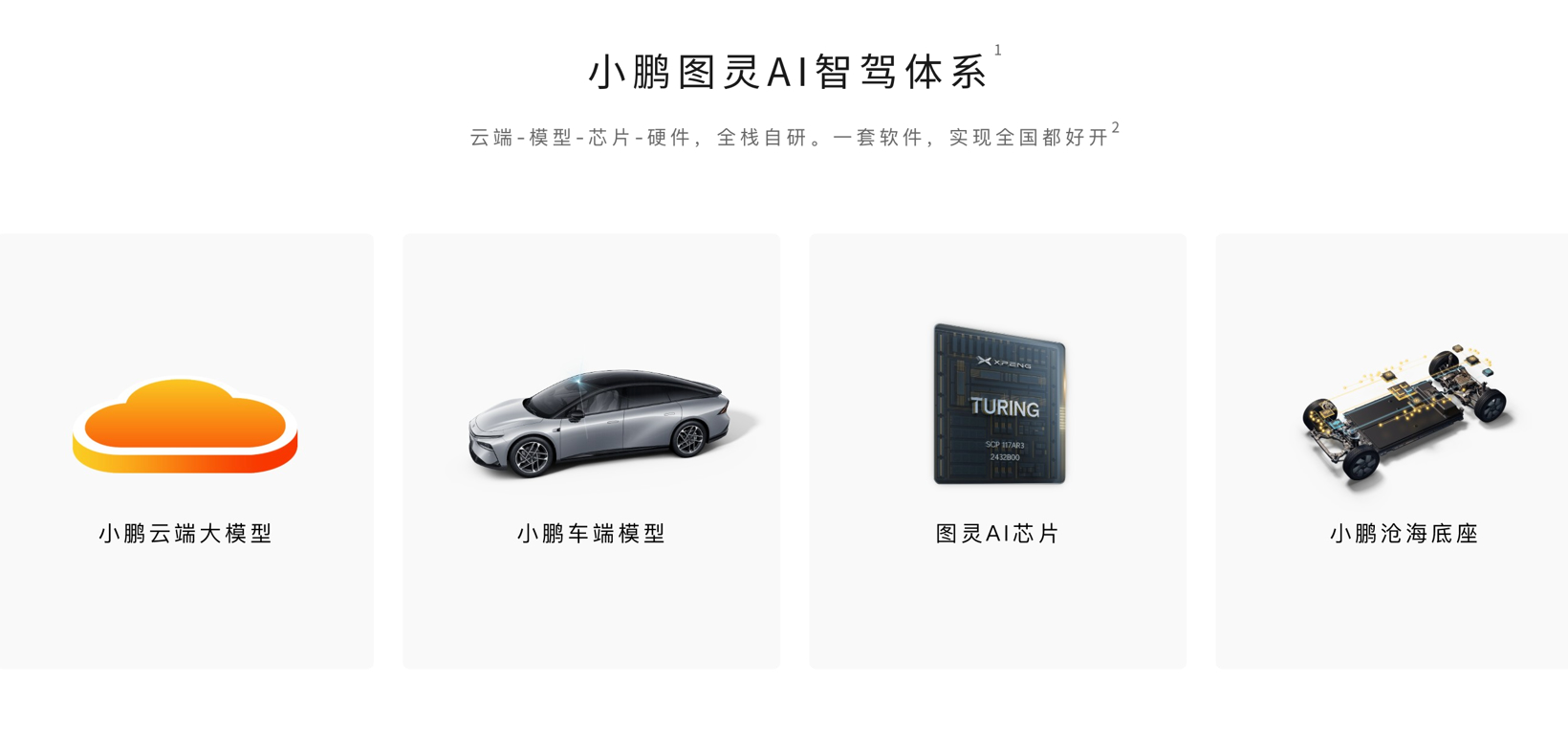
Image Source: XPENG
Of course, the implementation of new technologies is never instantaneous. From scaling sodium batteries to mass-producing solid-state batteries, and from L3 pilots to widespread adoption, every technology must endure a long journey from lab to production line, and from policy approval to user acceptance. In this process, what automakers need to guard against most is not falling behind technologically, but blindly following trends.
The companies that truly weather the cycles are those that can discern market demand and make rational choices based on their own technological characteristics.
The dazzling data from the auto show will eventually fade, leaving behind the people who sit in the cars every day. As Liu Guanzhong of Tsinghua University remarked, the core of design is solving problems, not pursuing luxury or singular styling.
The essence of systemic competition is not the mere accumulation of technology, but the system integration that transforms complex technology into stable, perceivable experiences — all while avoiding the trap of “differentiation for the sake of differentiation.”
All Rights Reserved. Do not reproduce, copy and use the editorial content without permission. Contact us: autonews@gasgoo.com
