
Trish Svoboda/Image courtesy of Canva
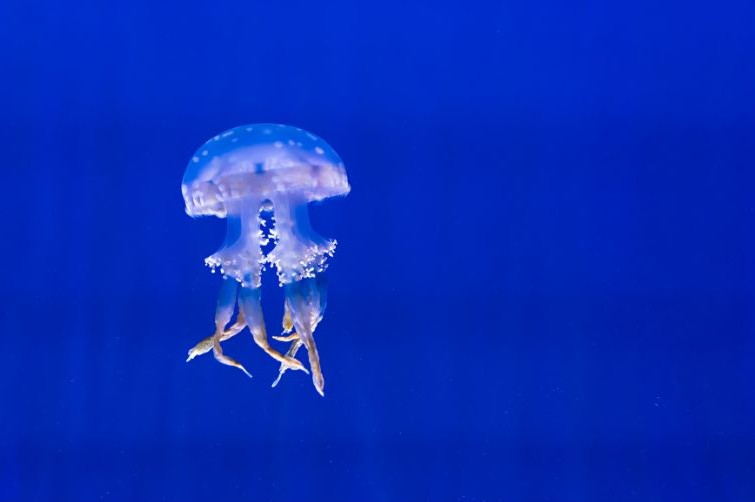
Kansas ponds and reservoirs are home to a surprising variety of aquatic life, including rare freshwater jellyfish, according to K-State fisheries and aquatics Extension specialist Joe Gerken.
Gerken said Kansas does have jellyfish, though they are not native and are rarely seen. About the size of a nickel, the tiny creatures have tentacles and stinging cells, but their stings are too weak to affect humans. They are most often spotted during late summer.
More commonly mistaken for jellyfish are bryozoans, colonies of filter-feeding organisms that can range in size from a golf ball to a basketball. Bryozoans feed on algae and are considered indicators of good water quality.
Kansas waters also support amphibians such as frogs, toads and salamanders. Frog eggs appear in gelatinous clumps, while toad eggs form long strings. Both contain visible dark embryos that eventually develop into tadpoles before becoming adult amphibians.
