
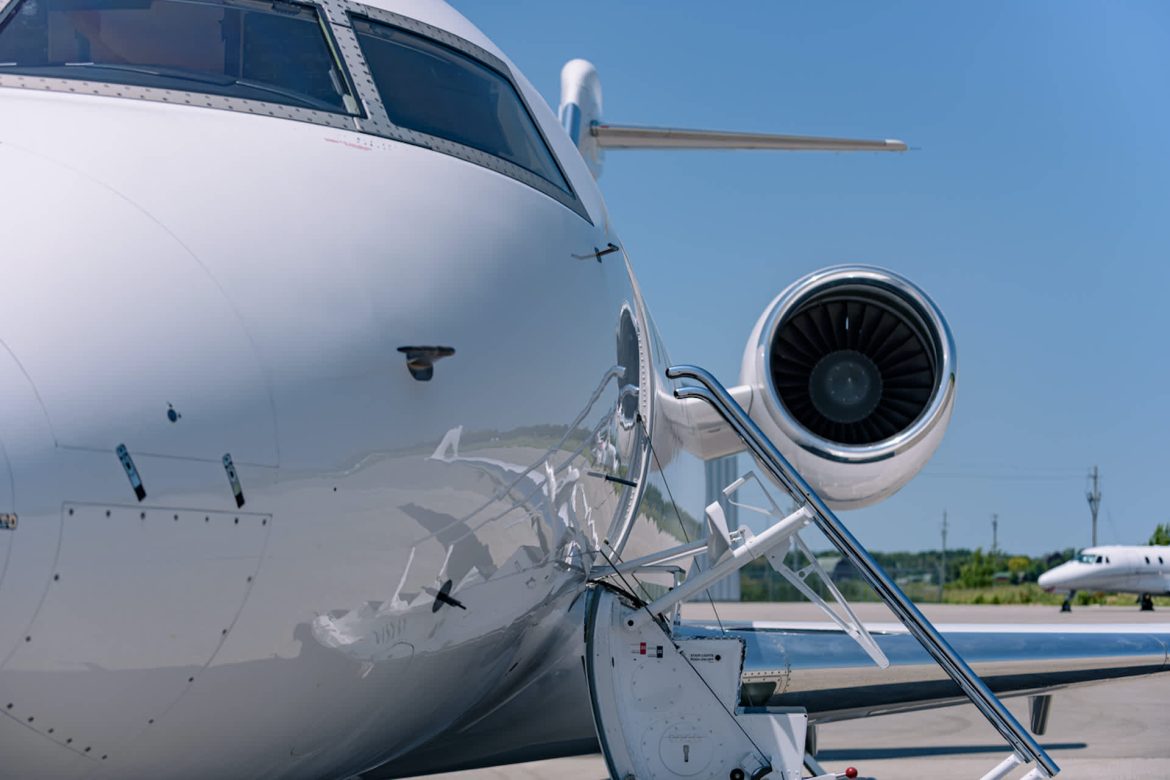
More ultra-wealthy travelers are turning to private jets, as 2025 featured a record number of worldwide departures.
That growth is unfolding alongside sharp scrutiny of safety oversight and the sector’s heavy climate footprint, Forbes reported.
The record-setting year pushed private aviation further into the mainstream. WingX Advance logged 3.9 million business jet departures, up 5% from 2024 and the highest total yet.
Rather than representing a short-lived coronavirus pandemic bump, the 2025 numbers point to a durable shift.
The total exceeded the prior high from 2022; unusual travel patterns during the pandemic helped drive that surge.
On trips between San Diego and Mammoth Mountain, Christine Landis opts to fly private with her two children and an 80-pound chocolate Lab instead of making the eight-hour drive, cutting the journey to about an hour, per Forbes.
Landis, who runs a home management platform, first booked through Wheels Up and later switched to NetJets, paying about $9,000 each way.
The high price of a private charter can create a sense that protections are built in, even when much of the due diligence falls to the traveler. In a rapidly expanding market, that disconnect can leave customers vulnerable.
Relatively few people fly privately, but their trips carry a disproportionately high environmental cost because private jets produce far more pollution per passenger than commercial flights.
As departures increase, so do concerns about fuel consumption, emissions, and strain on communities already shouldering the brunt of problems caused by air pollution and the warming climate.
For Landis, the time savings help explain why the market is growing despite those trade-offs. “That’s seven hours of my day I’m buying back,” she told Forbes.
Get TCD’s free newsletters for easy tips, smart advice, and a chance to earn $5,000 toward home upgrades. To see more stories like this one, change your Google preferences here.

