
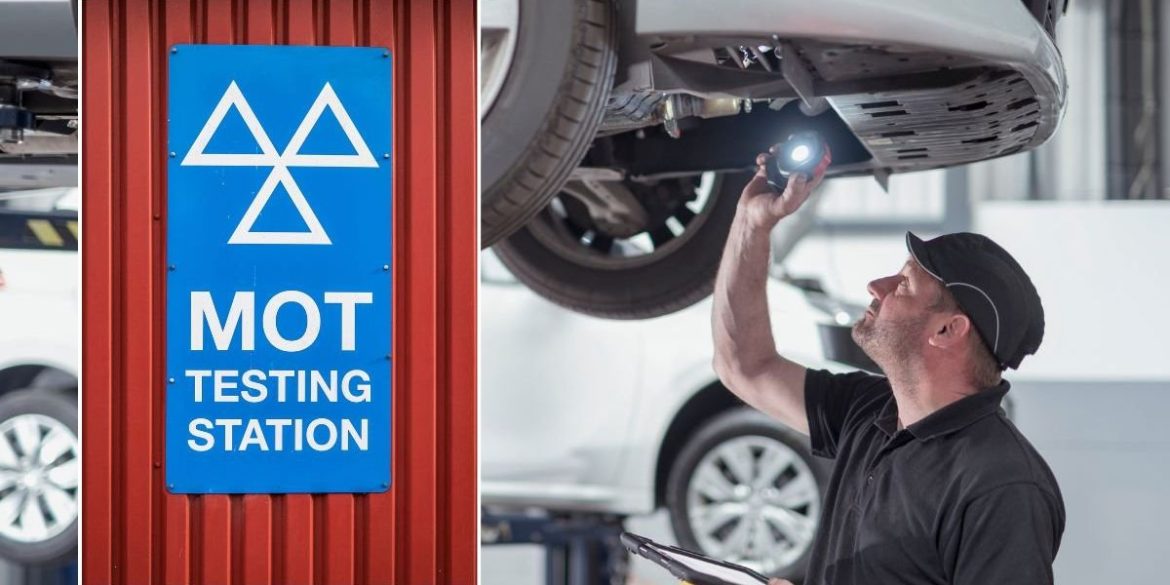
Electric cars are more expensive to repair, according to new data, with experts warning that EVs place a “greater overall burden” on any vehicle fixes.
Fresh analysis shows that electric vehicles take longer to repair following an accident, and are more costly to fix, than traditional internal combustion engine vehicles.
The AX Repair Index shows that electric vehicle repair costs for non-fault accidents were 19 per cent higher than equivalent costs for petrol and diesel cars.
Electric vehicles also spent around nine per cent more time in workshops as mechanics adapt to dealing with EVs on a more frequent basis.
The Index acknowledged that electric vehicles are mechanically simpler than most combustion engine vehicles, but that the repair burden was higher.
It stated that this was placing a greater repair strain on the UK accident repair sector, pushing heftier costs onto motorists and insurers.
Based on analysis of 40,000 accidents, electric cars received an AX Repair Index score of 114, compared to 100 for petrol and diesel vehicles.
An average repair cost for an electric vehicle was found to be £6,363, with owners of internal combustion engine cars paying £5,338.

Electric cars are more expensive and take longer to repair than ICE vehicles, new data shows
|
GETTY
Electric car owners were also kept off the road for a longer period of time, with repair durations averaging 25 days for EVs and 23 days for ICE vehicles.
Scott Hamilton-Cooper, chief commercial officer of AX, said: “The growth of electric vehicles is creating new opportunities and challenges for the accident repair sector.
“While the gap between EV and ICE repairs is narrowing as repairers gain experience and technology improves, our AX Repair Index shows that electric vehicles still place a greater overall burden on the repair process.
“This is partly due to more costly EV parts and because they usually require calibration even for small repairs.”
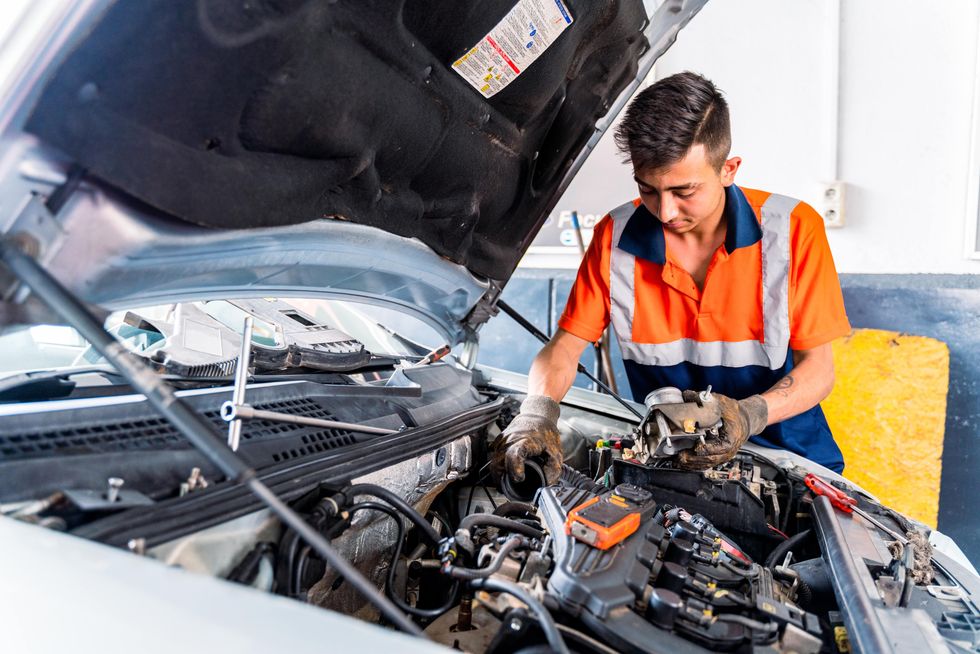
Research found that average repair times for ICE vehicles were two days less than those for EVs
|
GETTYExpensive repair costs could continue to impact motorists over the coming years, especially as EVs become more common.
Data shows that around one in four new cars sold are electric, while the market share of both petrol and diesel vehicles continues to fall.
So far this year, more than 220,000 electric cars have been registered, compared to 406,000 petrol models and just 44,000 diesel registrations.
Mr Hamilton-Cooper urged the repair industry to ensure that mechanics can continue to invest in skills, equipment and personnel.
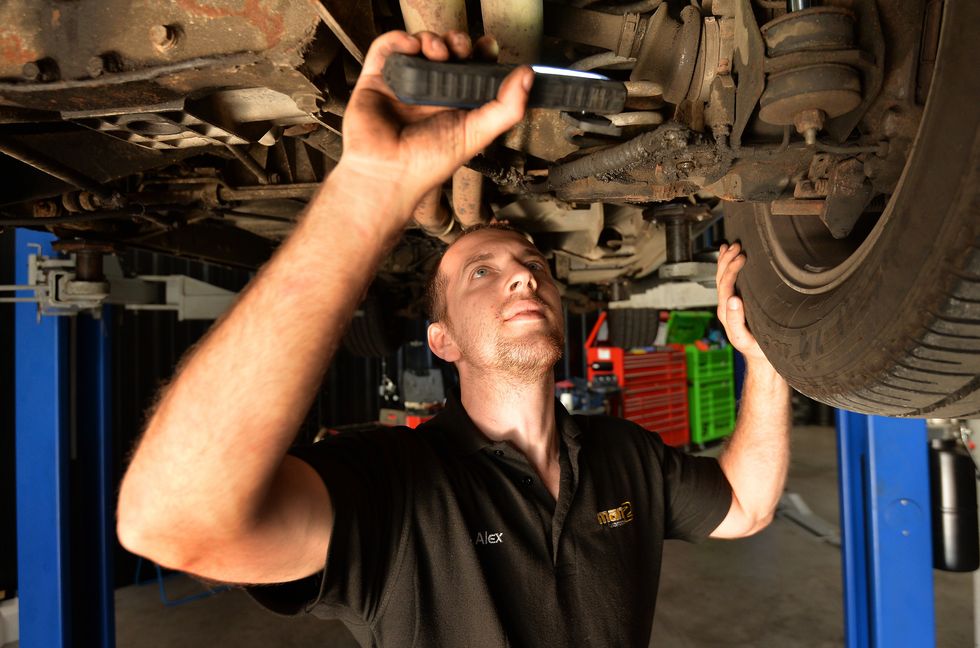
Experts have called for greater training for mechanics to work on electric cars
|
PAHaving worked with its network of partners around the UK, AX confirmed that 99 per cent of its repair network is now accredited to work on electric vehicles.
He added: “We support the move to a predominantly EV car parc and our EV-for-EV guarantee has been hugely popular.
“As EV adoption grows, delivering a smooth customer journey will be essential for fleets, insurers and motorists alike.”
